

Paper
Matthew Rojansky
{
  "authors": [
    "Matthew Rojansky"
  ],
  "type": "legacyinthemedia",
  "centerAffiliationAll": "dc",
  "centers": [
    "Carnegie Endowment for International Peace",
    "Carnegie Russia Eurasia Center"
  ],
  "collections": [],
  "englishNewsletterAll": "ctw",
  "nonEnglishNewsletterAll": "",
  "primaryCenter": "Carnegie Endowment for International Peace",
  "programAffiliation": "russia",
  "programs": [
    "Russia and Eurasia"
  ],
  "projects": [],
  "regions": [
    "Caucasus",
    "Russia"
  ],
  "topics": [
    "Political Reform"
  ]
}
Source: Getty
If Prime Minister Putin decides to run in Russia's 2012 presidential elections, there will be wide-ranging implications for both Russia and the international community.
Source: Fox Business
As Russia’s 2012 presidential election draws closer, there is increased speculation over whether or not former president and current Prime Minister Vladimir Putin will choose to run again. Speaking on Fox Business, Carnegie’s Matthew Rojansky explained that another Putin presidency would have significant domestic and international ramifications.
Putin and current President Dmitry Medvedev represent different visions for Russia’s future, Rojansky said. Medvedev has expressed a commitment to modernization, reducing corruption, and promoting technological advancement, a series of goals which are good for Russia and in the interest of the United States. Another Medvedev presidency would promise that Russia would continue in its current modernization trajectory, resulting in a relatively stable arrangement that would also be good for global markets, Rojansky said. Another Putin presidency, on the other hand, would signal that Russia may turn its back on reform and modernization, and could jeopardize Russia’s entry into the WTO. Ultimately, Rojansky concluded, Russia’s oil production is not likely to drop if Putin becomes president, which is good news for global markets, but the uncertainty regarding the 2012 election remains problematic for the West.

Former Deputy Director, Russia and Eurasia Program
Rojansky, formerly executive director of the Partnership for a Secure America, is an expert on U.S. and Russian national security and nuclear-weapon policies.
Recent Work
Matthew Rojansky
Matthew Rojansky
Carnegie India does not take institutional positions on public policy issues; the views represented herein are those of the author(s) and do not necessarily reflect the views of Carnegie, its staff, or its trustees.

This piece argues that India’s central challenge is not managing a single flashpoint but resolving the underlying tension between expansion and institutional coherency of the BRICS grouping.

Vrinda Sahai
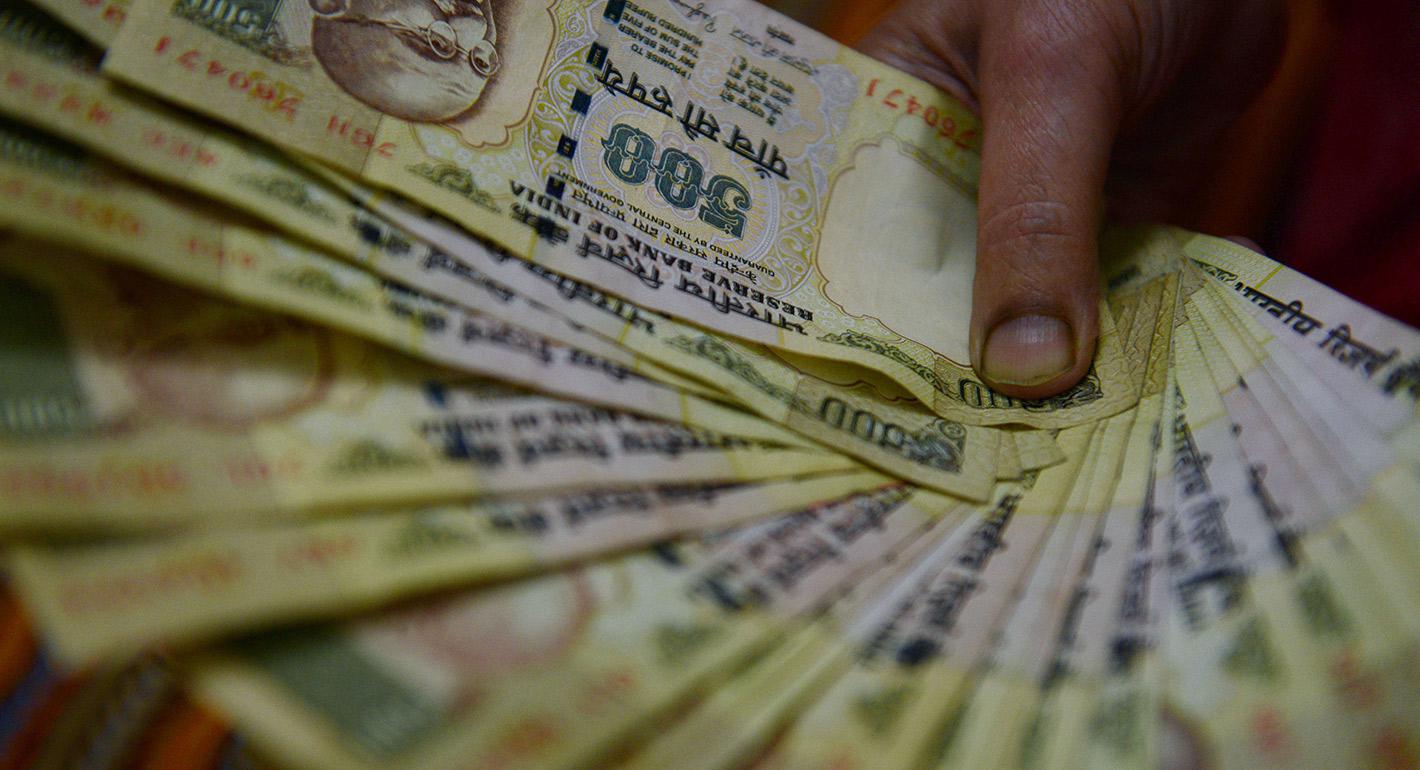
As India’s economy recovers from the coronavirus pandemic, Indian businesses need efficient financial structures to regain their ground. Key reforms to India’s Insolvency and Bankruptcy Code could fill these gaps.

Anirudh Burman

Access to cross-border data is an integral piece of the law enforcement puzzle. India is well placed to lead the discussions on international data agreements subject to undertaking necessary surveillance reforms.

Smriti Parsheera, Prateek Jha
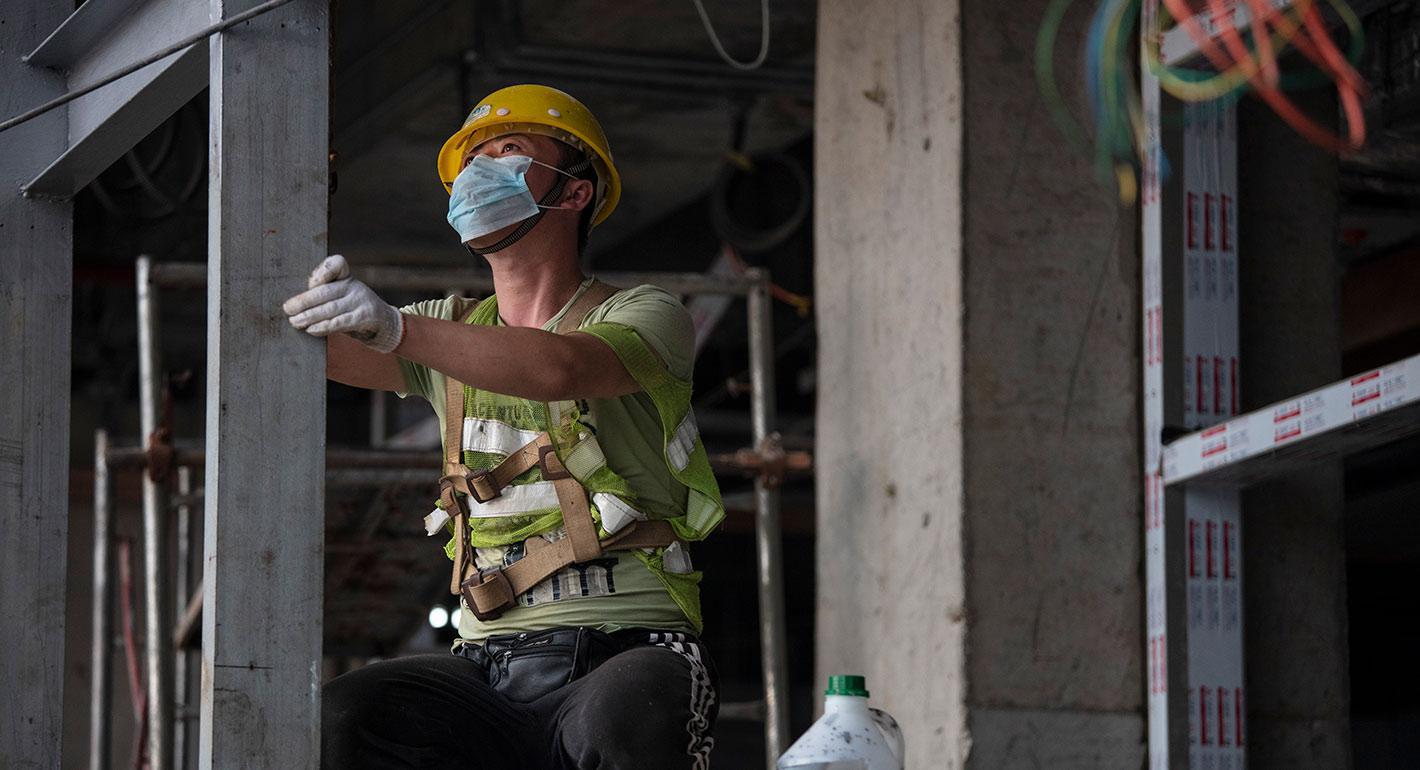
After the coronavirus pandemic wanes, how will China’s reorientation of the Belt and Road Initiative to address global health concerns influence its relationships with South Asian countries?
Deep Pal, Rahul Bhatia
Early in the outbreak, government researchers forecast several high-risk scenarios that were downplayed or ignored in public messaging.
Gautam I. Menon