

Commentary
Olga Shumylo-Tapiola
{
  "authors": [
    "Olga Shumylo-Tapiola"
  ],
  "type": "other",
  "centerAffiliationAll": "",
  "centers": [
    "Carnegie Endowment for International Peace",
    "Carnegie Europe",
    "Carnegie Russia Eurasia Center"
  ],
  "collections": [
    "Europe’s Eastern Neighborhood"
  ],
  "englishNewsletterAll": "",
  "nonEnglishNewsletterAll": "",
  "primaryCenter": "Carnegie Europe",
  "programAffiliation": "",
  "programs": [],
  "projects": [],
  "regions": [
    "Europe",
    "Eastern Europe"
  ],
  "topics": []
}
Source: Getty
The state of governance in Ukraine today is the subject of widespread debate, with Ukrainian and international observers citing evidence of democratic backsliding under Ukrainian President Viktor Yanukovych.
Source: Peterson Institute
The state of governance in Ukraine today is the subject of widespread debate. Ukrainian and international observers have cited corruption, flaws in the October 2010 local elections, inappropriate actions by the Security Service of Ukraine, and prosecution of opposition political figures as evidence of democratic backsliding under Ukrainian President Viktor Yanukovych. The president and his government deny these charges, contending that centralizing some authority is required to bring about order, govern effectively, and implement difficult and overdue economic reforms. What is happening with the state of governance in Ukraine? How is it affecting the Ukrainian economy and Ukraine's foreign relations, particularly with Europe and the United States? And how should the West engage the Yanukovych government and Ukrainian civil society to protect democratic and market-oriented progress?
The Peterson Institute for International Economics, the Center on the United States and Europe at Brookings, and the Atlantic Council cohosted a conference to address these and related questions. Panels with leading American and European experts examined "The Challenges of Governance in Ukraine" and "The Impact on the Economy and Foreign Policy." Carnegie’s Olga Shumylo Tapiola participated in the panel focusing on the challenges of governance in Ukraine. She was joined by Andriy Fialko, Foreign Policy Advisor to the President of Ukraine, James Sherr of the Royal Institute for International Affairs, Damon Wilson of the Atlantic Council and Jorge Zukoski of American Chamber of Commerce in Ukraine.

Former Nonresident Associate, Carnegie Europe
Shumylo-Tapiola is a nonresident associate at Carnegie Europe in Brussels, where her research focuses on Eastern Europe and Eurasia.
Recent Work
Olga Shumylo-Tapiola
Olga Shumylo-Tapiola
Carnegie India does not take institutional positions on public policy issues; the views represented herein are those of the author(s) and do not necessarily reflect the views of Carnegie, its staff, or its trustees.
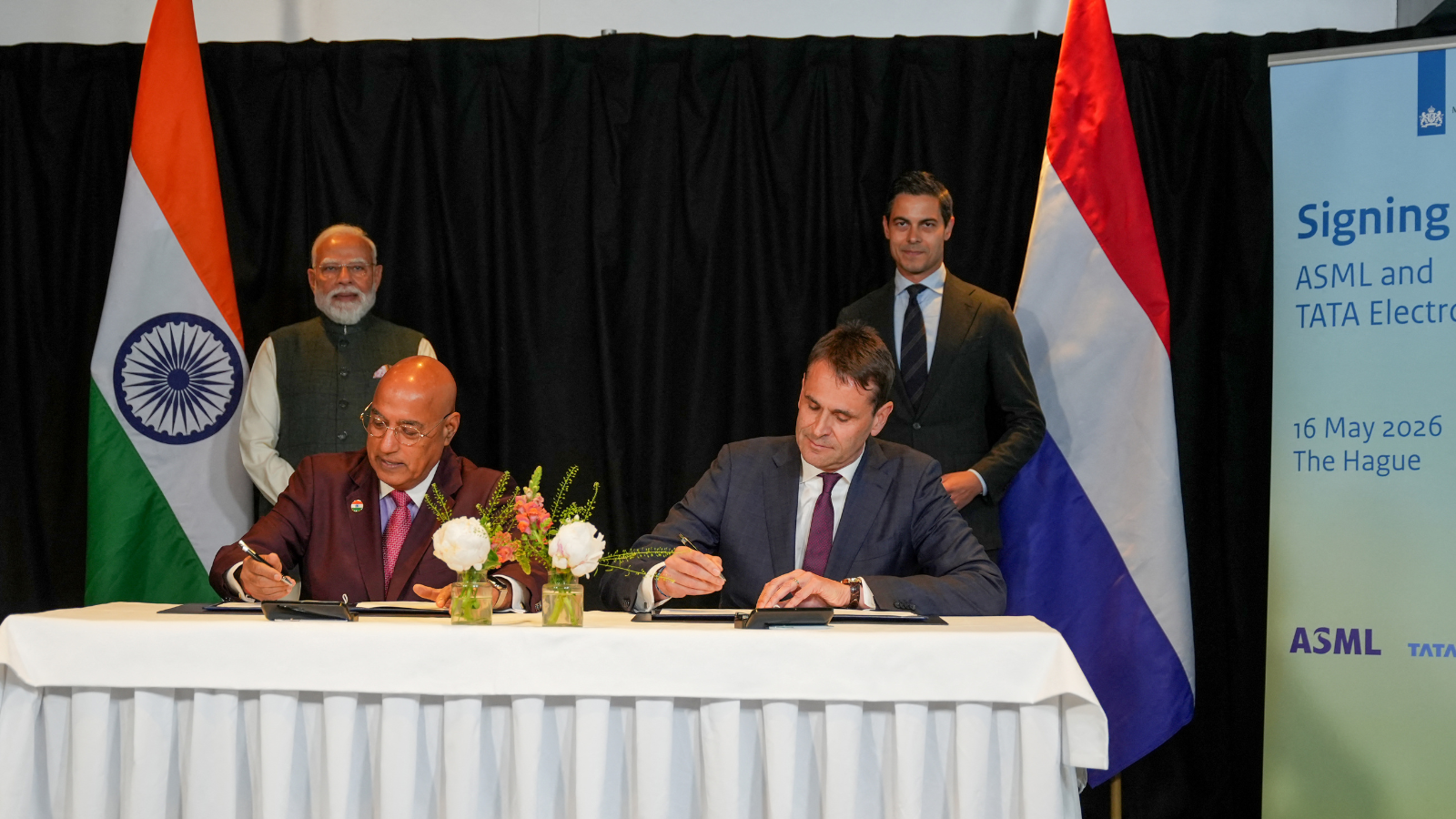
The ASML MoU with Tata Electronics is an indicator of how far the Indian semiconductor ecosystem has come. This ecosystem has been years in the making and represents real commercial logic.

Konark Bhandari

The India–EU Free Trade Agreement (FTA) is shaping up to be one of the most consequential trade negotiations, both economically and strategically. But, what’s in the agreement, what’s missing, and what will determine its success in the years ahead

Vrinda Sahai, Nicolas Köhler-Suzuki
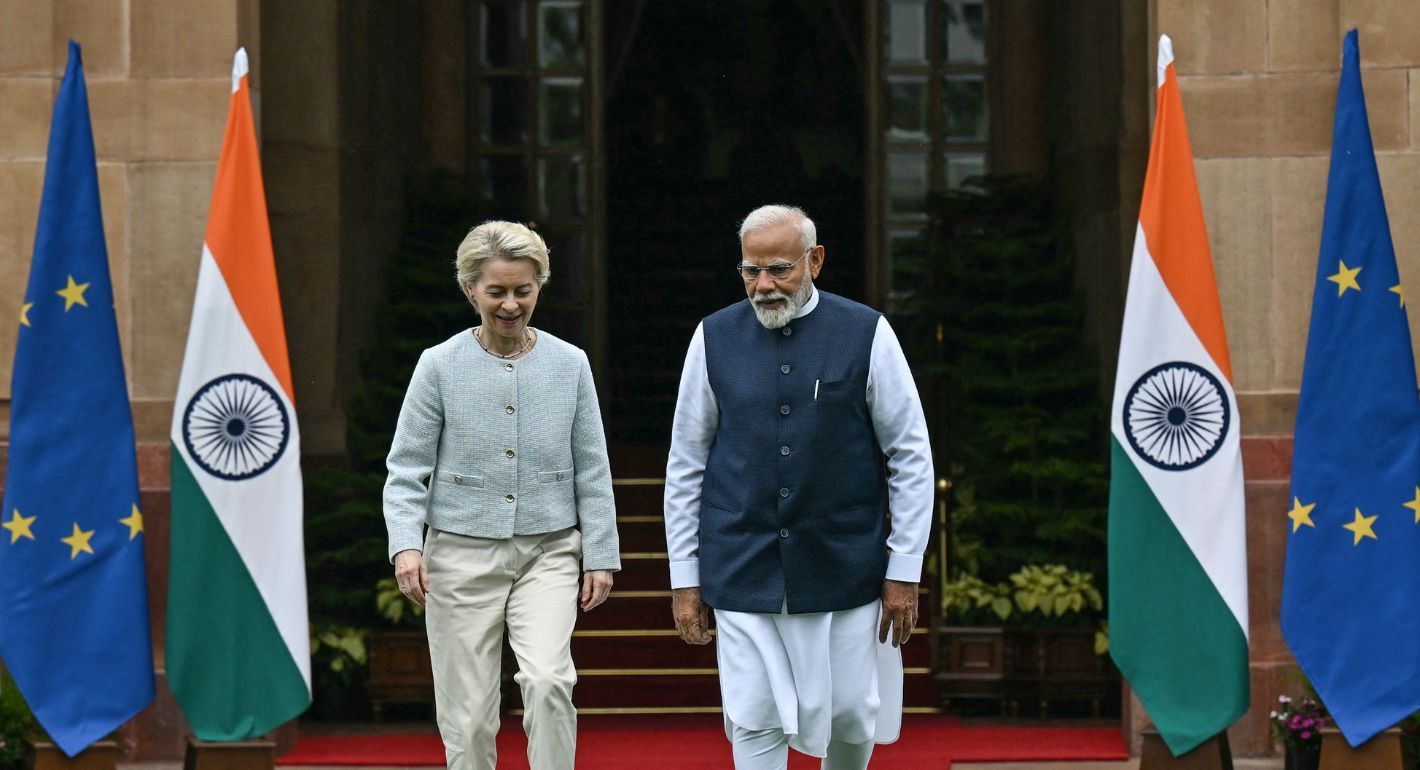
This article argues that the geopolitical circumstances have never been more conducive, not merely for the early conclusion of the free trade agreement (FTA) between India and the EU, but also for crafting a substantive and comprehensive strategic partnership.
Mohan Kumar
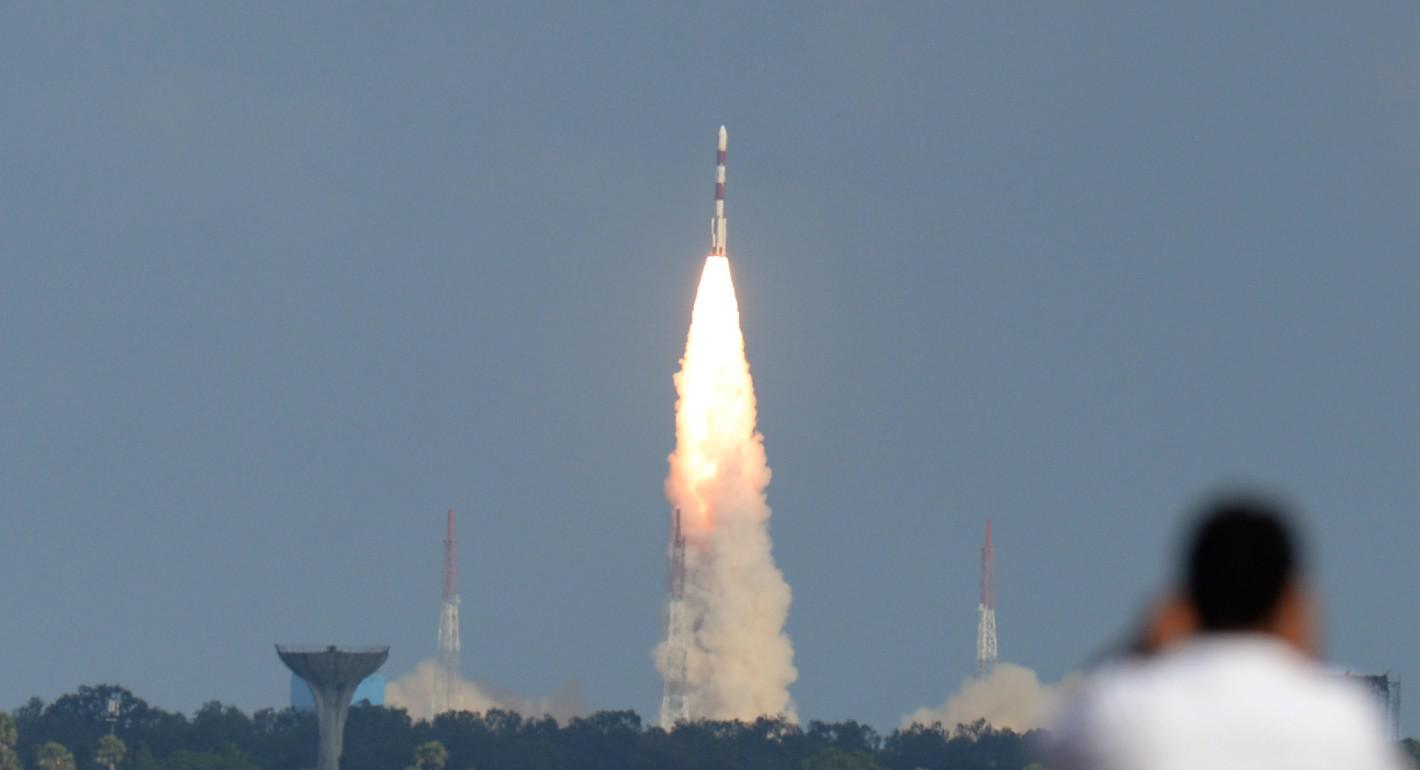
The war in Ukraine has demonstrated that India needs to establish a strong domestic space economy in order to weather geopolitical storms.
Konark Bhandari
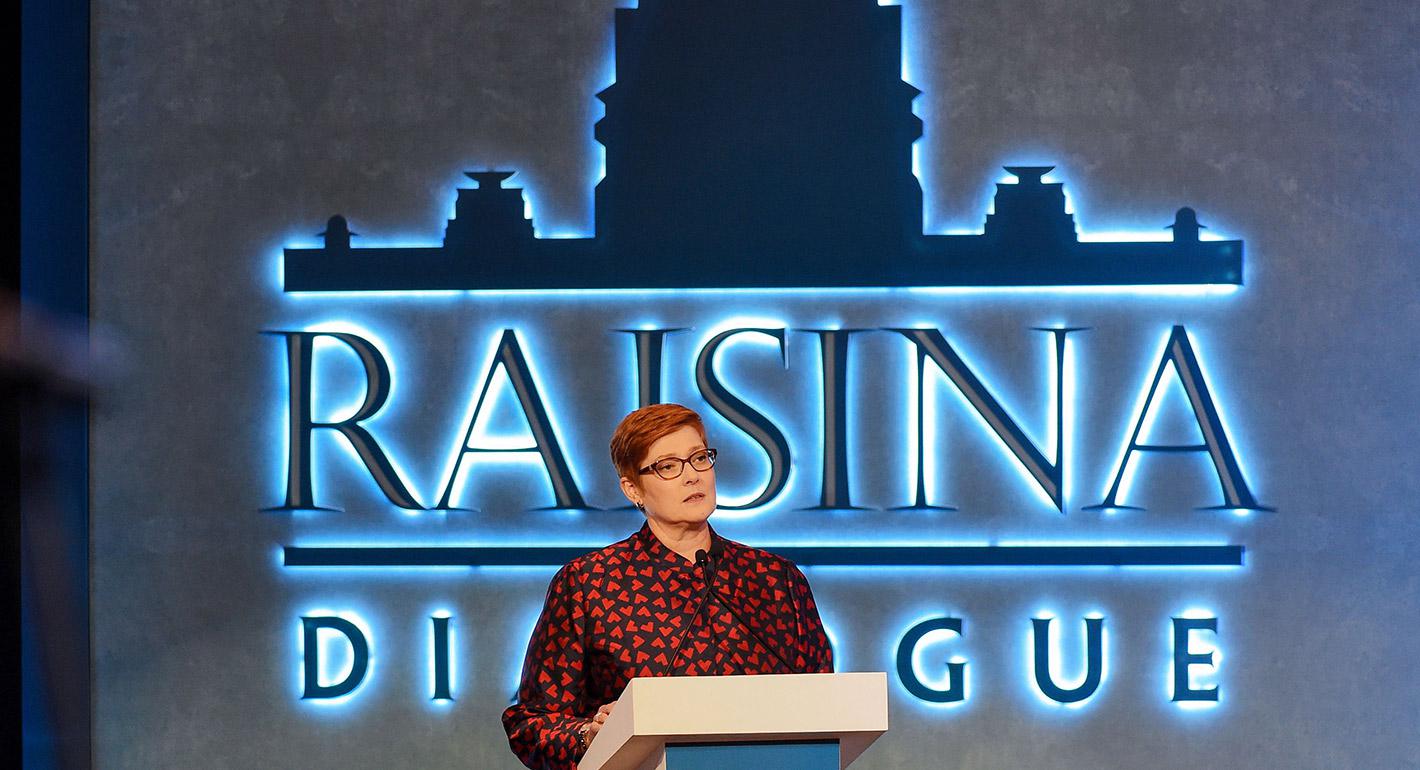
Foreign ministers from India, France, and Australia recently met (virtually) at the Raisina Dialogue, India’s flagship annual conference on geopolitics and geoeconomics. What can they get done if they work together?


Rudra Chaudhuri, Shibani Mehta