• Research
  • About
  • Experts
Carnegie India logoCarnegie lettermark logo
Technology
{
  "authors": [
    "Petr Topychkanov"
  ],
  "type": "legacyinthemedia",
  "centerAffiliationAll": "",
  "centers": [
    "Carnegie Endowment for International Peace",
    "Carnegie Russia Eurasia Center"
  ],
  "collections": [],
  "englishNewsletterAll": "",
  "nonEnglishNewsletterAll": "",
  "primaryCenter": "Carnegie Russia Eurasia Center",
  "programAffiliation": "",
  "programs": [],
  "projects": [
    "Eurasia in Transition"
  ],
  "regions": [],
  "topics": []
}

Source: Getty

In The Media
Carnegie Russia Eurasia Center

US-Pakistan: Reloaded

The United States needs regional assistance, particular from Pakistan, to resolve the problems and challenges facing Afghanistan.

Link Copied
By Petr Topychkanov
Published on Jul 11, 2011
Project hero Image

Project

Eurasia in Transition

Learn More

Source: Voice of Russia

First of all we can receive different signals from the United States and from Pakistan about their relations; we could hear that the United States is ready to stop financial assistance to Pakistan, first of all to military agencies of Pakistan, but at the same time the United States is not ready to stop deep cooperation with Pakistan on security issues.

It is impossible to believe that the United States can come to very risky policy toward Pakistan limiting cooperation, because as a result of this change the United States will lose control of the situation in this country, very important for the solution of the problem of Afghanistan and for the stability in the region.

We can see the game between the United States and Pakistan, and every side wants more benefits from this game and wants to use this game not only for developing relations with its partner, but also for benefits in the domestic policy. Now it is not a secret that the United States uses everything for drone attacks on the territory of Pakistan.

The United States cannot avoid development of relations, because it is impossible to solve the problem of Afghanistan without assistance from the Pakistani side.
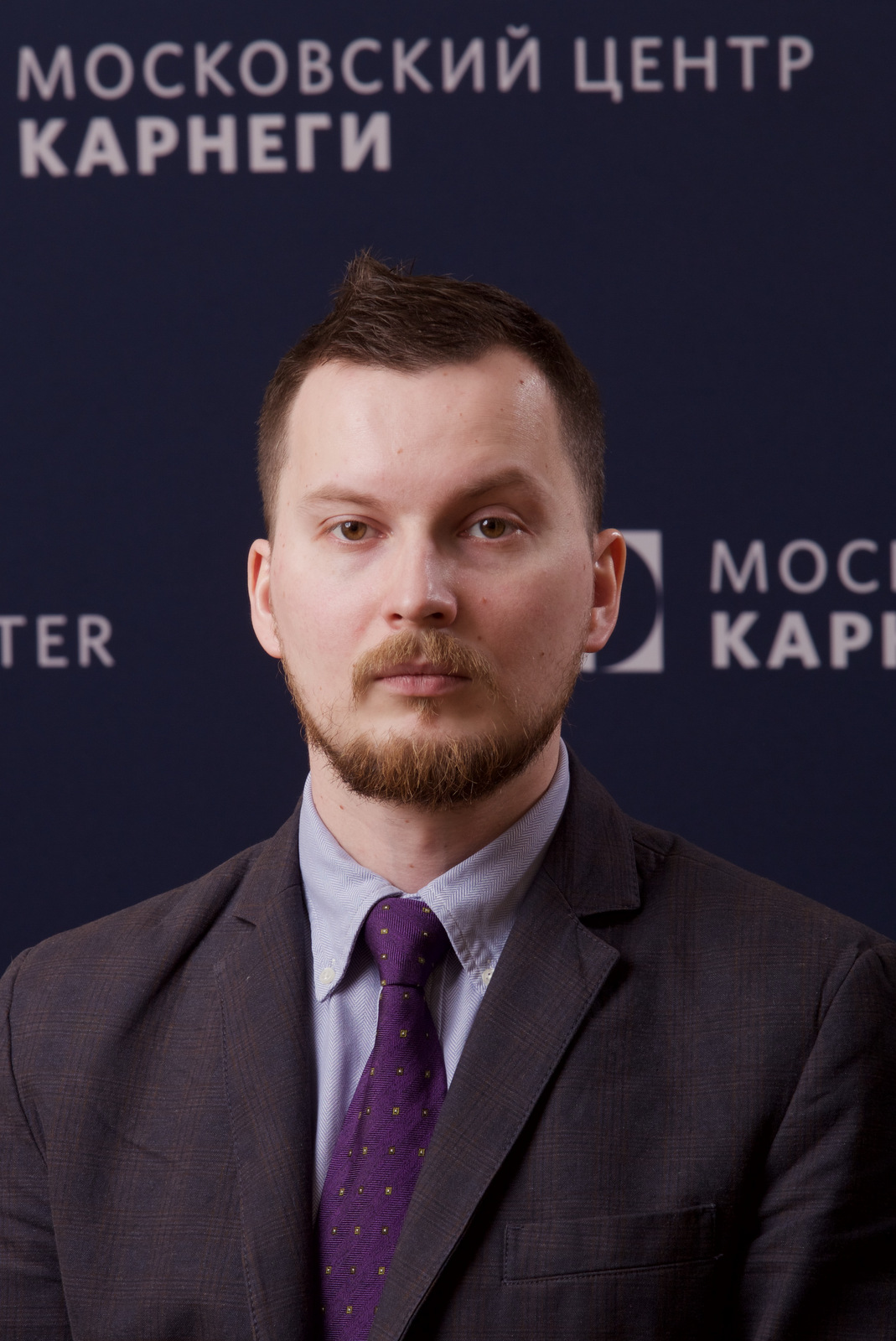
Petr Topychkanov
Former Fellow, Nonproliferation Program, Moscow Center
Petr Topychkanov

Carnegie India does not take institutional positions on public policy issues; the views represented herein are those of the author(s) and do not necessarily reflect the views of Carnegie, its staff, or its trustees.

More Work from Carnegie India

  • Commentary
    Anit Mukherjee Joins Carnegie India as Director

    Today the Carnegie Endowment for International Peace India announced that Dr. Anit Mukherjee will be the next director of Carnegie India, the New Delhi-based research center. 

  • Commentary
    The PSLV Setback: Restoring India’s Workhorse

    On January 12, 2026, India's "workhorse," the Polar Satellite Launch Vehicle, experienced a consecutive mission failure for the first time in its history. This commentary explores the implications of this incident on India’s space sector and how India can effectively address issues stemming from the incident.

      Tejas Bharadwaj

  • Commentary
    AI Adoption Journey for Population Scale

    Connecting real-world AI use cases across sectors such as health, education, agriculture, and livelihoods can help policymakers, innovators, and institutions align around a shared goal. This article looks at a framework ensuring that AI works for everyone.

      Shalini Kapoor, Tanvi Lall

  • Commentary
    The Impact of U.S. Sanctions and Tariffs on India’s Russian Oil Imports

    This piece examines India’s response to U.S. sanctions and tariffs, specifically assessing the immediate market consequences, such as alterations in import costs, and the broader strategic implications for India’s energy security and foreign policy orientation.

      Vrinda Sahai

  • Article
    The State of Digital Transformation in Pacific Island Countries

    Pacific Island Countries are at a pivotal moment in their digital journeys. Across the region, there is growing recognition of digital transformation as a key driver of economic growth, resilience, and global connectivity.

      Shruti Mittal, Adarsh Ranjan

Get more news and analysis from
Carnegie India
Carnegie India logo, white
Unit C-4, 5, 6, EdenparkShaheed Jeet Singh MargNew Delhi – 110016, IndiaPhone: 011-40078687
  • Research
  • About
  • Experts
  • Projects
  • Events
  • Contact
  • Careers
  • Privacy
  • For Media
Get more news and analysis from
Carnegie India
© 2026 Carnegie Endowment for International Peace. All rights reserved.