

Research
- +10
Rosa Balfour, Frances Z. Brown, Yasmine Farouk, …
{
  "authors": [
    "Moisés Naím"
  ],
  "type": "legacyinthemedia",
  "centerAffiliationAll": "",
  "centers": [
    "Carnegie Endowment for International Peace",
    "Carnegie Europe"
  ],
  "collections": [],
  "englishNewsletterAll": "",
  "nonEnglishNewsletterAll": "",
  "primaryCenter": "Carnegie Endowment for International Peace",
  "programAffiliation": "",
  "programs": [],
  "projects": [],
  "regions": [
    "Western Europe",
    "France",
    "Germany",
    "Europe",
    "North America"
  ],
  "topics": [
    "Economy",
    "EU"
  ]
}
Source: Getty
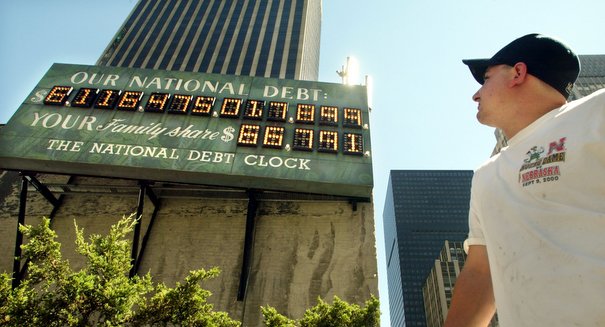
As Europe struggles to pull out of its current financial crisis, it is useful to look back at the five most common tactics that countries have historically used to climb out of debt.
Source: El Pais

When prediction becomes so difficult, it is good to take a look at the past; even in the knowledge that the past is not always a reliable guide for guessing about the future. But an analysis of a large number of financial crises of this type has enabled Carmen Reinhart and Kenneth Rogoff, in This Time is Different, their magnificent book on "eight centuries of financial folly," to identify the five most common tactics that debtor countries have used to climb out of their indebtedness.
1) Grow. Expand the economy. Fiscal revenue thus increases; the weight of debt diminishes. Many countries have tried this; few have succeeded.
2) Stop paying. In more technical language this is called debt restructuring, or default. In practice, it is just the raw notification that countries give to their creditors that they will pay less than they owe, and over a longer term than they had initially promised. Reinhart finds that, since its independence in 1832, Greece has been in default 48 percent of the time. Argentina is also a frequent deployer of this tactic.
3) Austerity. This is a word as painfully familiar now to Europeans as it was in the 1990s to Latin Americans, Russians and Asians. It means Draconian cutbacks in public spending, both in the superfluous and in what is less so. It reduces debt, but brings protestors out in the street, and can bring down governments.
4) Inflation. When prices rise, the value of debt in that currency diminishes in line with the rate of inflation. Inflation is bad for the economy, especially for wage-earners, and alleviates the debt problem in a less politically strident way, but does not solve the problem of debt in other currencies.
5) Financial repression. This occurs when governments channel toward themselves funds which would otherwise go to other purposes, or exit from the economy. The range of measures is tempting, dangerous and... frequently used. They include limits on the interest rates paid by the government, the obligation for banks to use public debt as part of their reserves, the nationalization of all or part of the banking industry, and controls on the free international flow of capital. It sounds extreme, and is. But it was in vogue in the less developed countries from the 1960s to the 80s. Reinhart, who suspects that measures of this sort may come back into fashion, points out that they were also common in the United States and other developed countries between 1945 and 1980, and were essential in helping to liquidate the debts accumulated in World War II.
None of these five tactics excludes the others. In particular, inflation and financial repression often go together.
Again, I don't know how this crisis will evolve. But the ideas in this book do help to visualize what lies behind many of the stories now in the news.

Distinguished Fellow
Moisés Naím is a distinguished fellow at the Carnegie Endowment for International Peace, a best-selling author, and an internationally syndicated columnist.
Recent Work



Rosa Balfour, Frances Z. Brown, Yasmine Farouk, …
Moisés Naím
Carnegie India does not take institutional positions on public policy issues; the views represented herein are those of the author(s) and do not necessarily reflect the views of Carnegie, its staff, or its trustees.
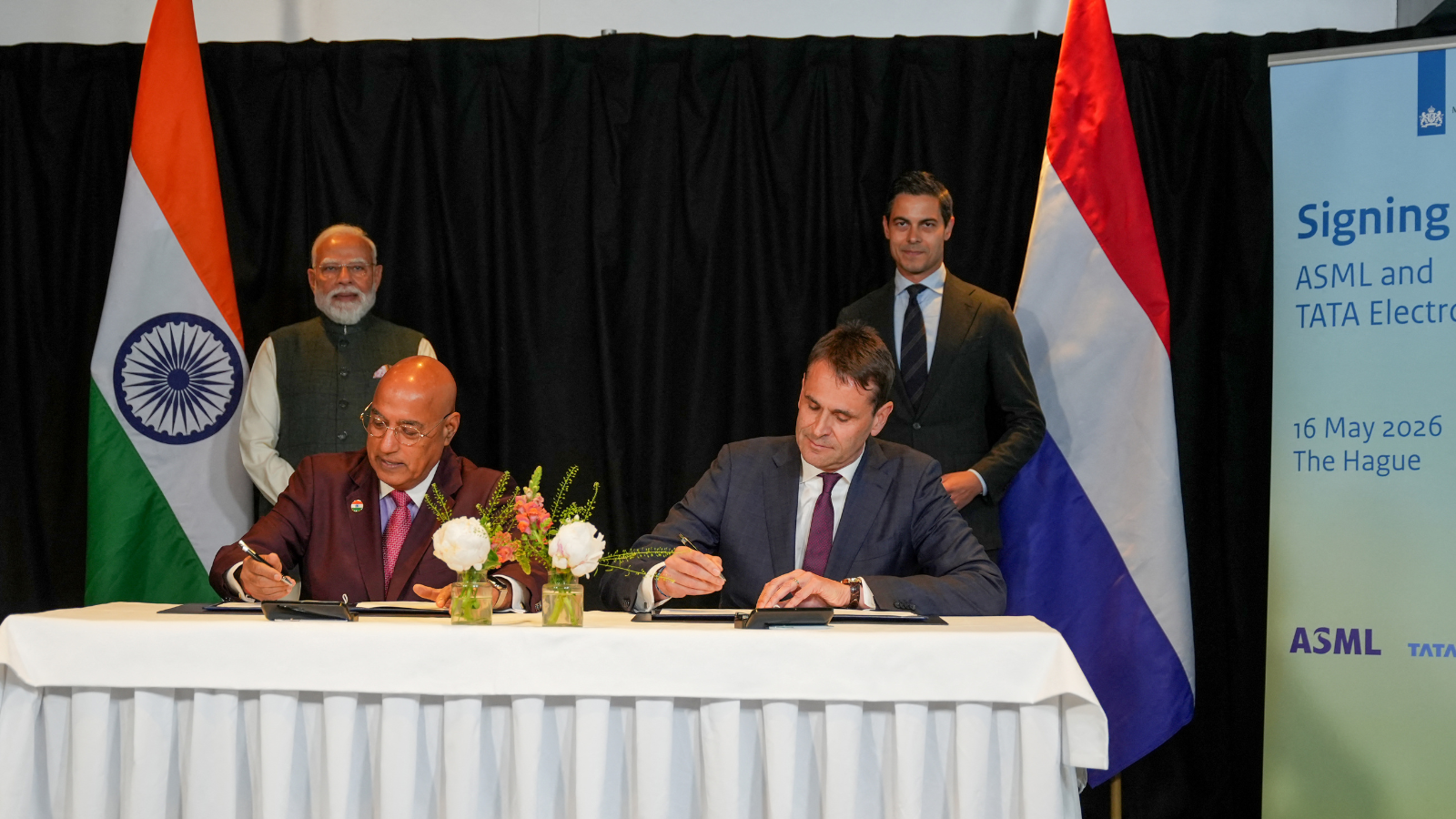
The ASML MoU with Tata Electronics is an indicator of how far the Indian semiconductor ecosystem has come. This ecosystem has been years in the making and represents real commercial logic.

Konark Bhandari

The India–EU Free Trade Agreement (FTA) is shaping up to be one of the most consequential trade negotiations, both economically and strategically. But, what’s in the agreement, what’s missing, and what will determine its success in the years ahead

Vrinda Sahai, Nicolas Köhler-Suzuki

On March 10, 2026, India’s Union Cabinet approved amendments to Press Note 3, a regulation that mandated government approval on all foreign direct investment (FDI) from countries sharing a land border with India. This amendment raises questions primarily about whether its stated benefits will materialize and if the risks have been adequately weighed. This piece will address the same.
Konark Bhandari

This piece examines India’s response to U.S. sanctions and tariffs, specifically assessing the immediate market consequences, such as alterations in import costs, and the broader strategic implications for India’s energy security and foreign policy orientation.
Vrinda Sahai

This paper examines the evolution of India-China economic ties from 2005 to 2025. It explores the impact of global events, bilateral political ties, and domestic policies on distinct spheres of the economic relationship.

Santosh Pai