• Research
  • About
  • Experts
Carnegie India logoCarnegie lettermark logo
AI
{
  "authors": [
    "Michael Pettis"
  ],
  "type": "other",
  "centerAffiliationAll": "",
  "centers": [
    "Carnegie Endowment for International Peace"
  ],
  "collections": [],
  "englishNewsletterAll": "",
  "nonEnglishNewsletterAll": "",
  "primaryCenter": "Carnegie Endowment for International Peace",
  "programAffiliation": "",
  "programs": [],
  "projects": [],
  "regions": [
    "East Asia",
    "China",
    "Western Europe"
  ],
  "topics": [
    "Economy"
  ]
}

Source: Getty

Other

Chinese Euro Intervention

Europe can solve its own domestic liquidity issues and it is unreasonable to expect China to resolve European solvency problems.

Link Copied
By Michael Pettis
Published on Dec 1, 2011
What are the prospects of a major Chinese intervention in the euro?
Michael Pettis
For at least the past one or two years, China has been slowly shifting the composition of its reserve accumulation, with euros likely growing as a share of new reserves. But this doesn't mean we should expect a major Chinese intervention in the euro, especially if by intervention we mean that China will provide money in a way that relieves pressure on the inability of peripheral European countries to borrow.

There is already a great deal of domestic concern about the safety of China's reserve accumulation, and the idea that China is bailing out risky European borrowers, when China has such huge domestic problems, is not likely to be popular at home.

Read more

At best, I would expect that China will participate in international programs in which the credit risk is not limited to the peripheral European borrowers. For example, China may provide more funding to the International Monetary Fund that can then provide financing facilities to European sovereign borrowers.

Will this help Europe? Almost certainly not. Foreign capital inflows come with exported demand and slower domestic growth. Europe can solve its own domestic liquidity problems, and it is unreasonable to expect foreigners to resolve European solvency problems. Turning to foreigners for capital is not a strategy so much as an indication of total confusion.

About the Author

Michael Pettis

Nonresident Senior Fellow, Carnegie China

Michael Pettis is a nonresident senior fellow at the Carnegie Endowment for International Peace. An expert on China’s economy, Pettis is professor of finance at Peking University’s Guanghua School of Management, where he specializes in Chinese financial markets. 

    Recent Work

  • Commentary
    Is China’s High-Quality Investment Output Economically Viable?

      Michael Pettis

  • Commentary
    What GDP Means in a Soft Budget Economy Like China

      Michael Pettis

Michael Pettis
Nonresident Senior Fellow, Carnegie China
Michael Pettis
EconomyEast AsiaChinaWestern Europe

Carnegie India does not take institutional positions on public policy issues; the views represented herein are those of the author(s) and do not necessarily reflect the views of Carnegie, its staff, or its trustees.

More Work from Carnegie India

  • Article
    India’s Press Note 3 Gamble: Opening the FDI Door to China

    On March 10, 2026, India’s Union Cabinet approved amendments to Press Note 3, a regulation that mandated government approval on all foreign direct investment (FDI) from countries sharing a land border with India. This amendment raises questions primarily about whether its stated benefits will materialize and if the risks have been adequately weighed. This piece will address the same.

      Konark Bhandari

  • Commentary
    The Impact of U.S. Sanctions and Tariffs on India’s Russian Oil Imports

    This piece examines India’s response to U.S. sanctions and tariffs, specifically assessing the immediate market consequences, such as alterations in import costs, and the broader strategic implications for India’s energy security and foreign policy orientation.

      Vrinda Sahai

  • Paper
    India-China Economic Ties: Determinants and Possibilities

    This paper examines the evolution of India-China economic ties from 2005 to 2025. It explores the impact of global events, bilateral political ties, and domestic policies on distinct spheres of the economic relationship.

      Santosh Pai
  • Article
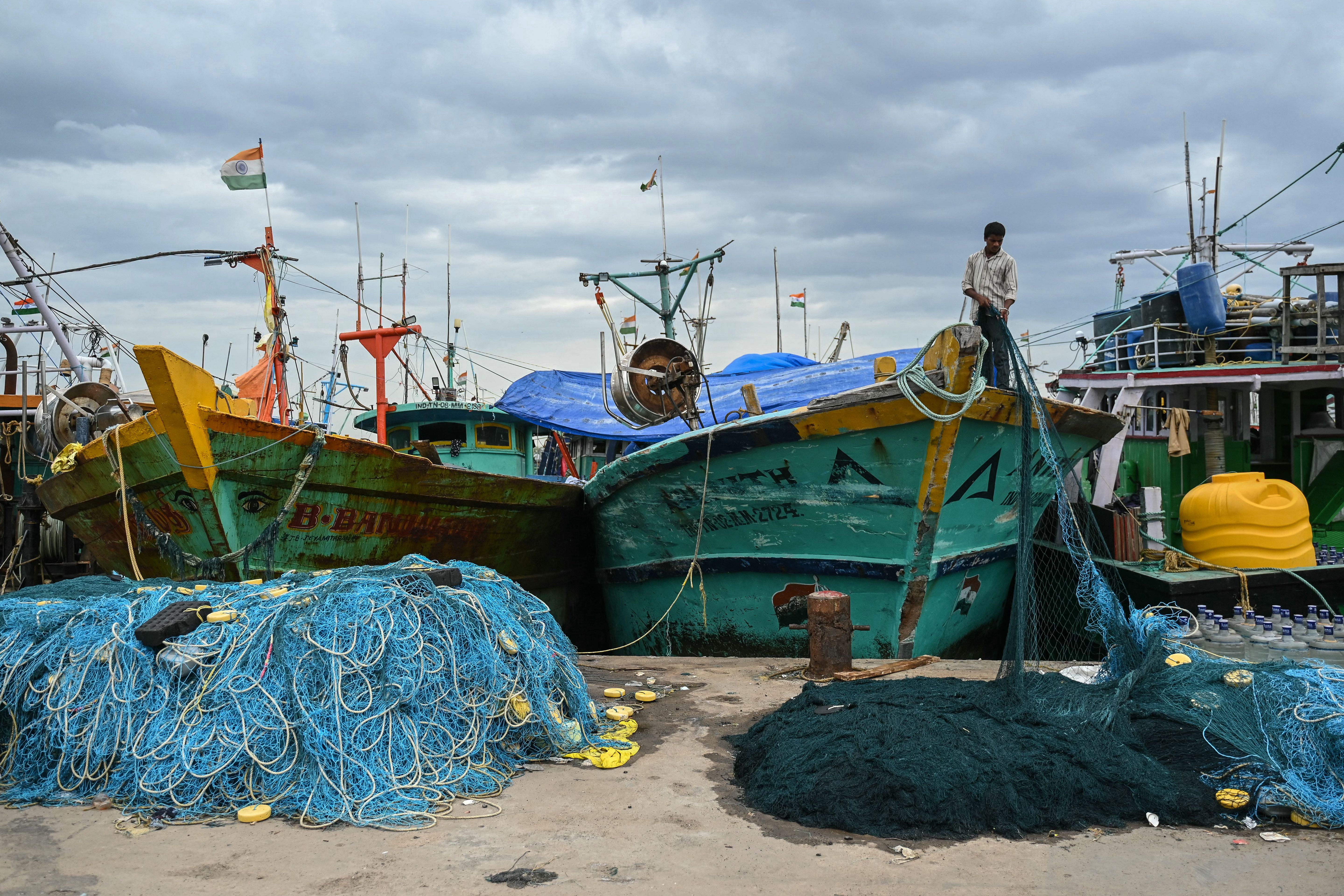
    Hidden Tides: IUU Fishing and Regional Security Dynamics for India

    This article examines the scale and impact of Chinese IUU fishing operations globally and identifies the nature of the challenge posed by IUU fishing in the Indian Ocean Region (IOR). It also investigates why existing maritime law and international frameworks have struggled to address this growing threat.


      Ajay Kumar, Charukeshi Bhatt
  • Commentary
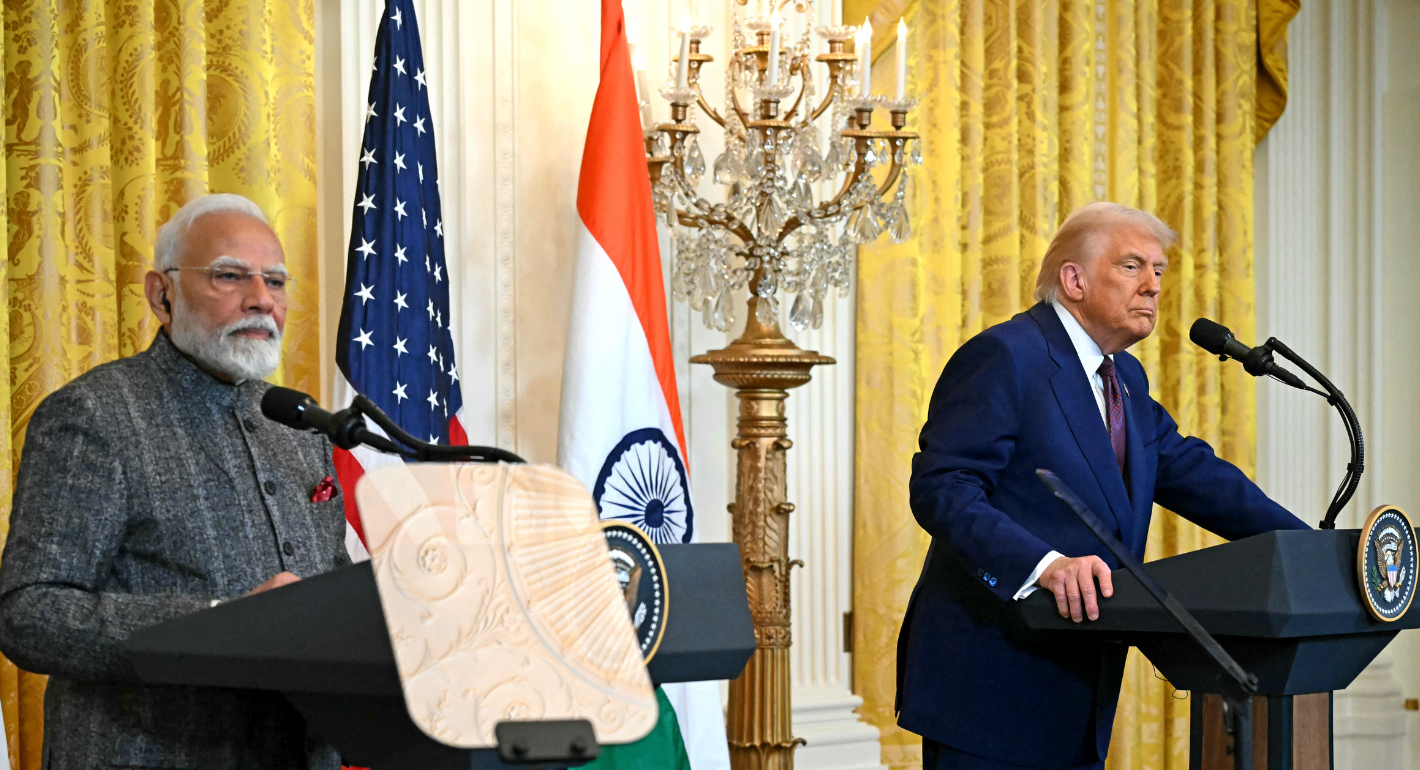
    TRUST and Tariffs

    The India-U.S. relationship currently appears buffeted between three “Ts”—TRUST, Tariffs, and Trump.
      Arun K. Singh

Get more news and analysis from
Carnegie India
Carnegie India logo, white
Unit C-4, 5, 6, EdenparkShaheed Jeet Singh MargNew Delhi – 110016, IndiaPhone: 011-40078687
  • Research
  • About
  • Experts
  • Projects
  • Events
  • Contact
  • Careers
  • Privacy
  • For Media
Get more news and analysis from
Carnegie India
© 2026 Carnegie Endowment for International Peace. All rights reserved.