

{
  "authors": [
    "David J. Kramer",
    "Lilia Shevtsova"
  ],
  "type": "legacyinthemedia",
  "centerAffiliationAll": "",
  "centers": [
    "Carnegie Endowment for International Peace",
    "Carnegie Russia Eurasia Center"
  ],
  "collections": [],
  "englishNewsletterAll": "",
  "nonEnglishNewsletterAll": "",
  "primaryCenter": "Carnegie Russia Eurasia Center",
  "programAffiliation": "",
  "programs": [],
  "projects": [],
  "regions": [],
  "topics": []
}
Source: Getty
Doing Well By Doing Right
Western governments have the opportunity to demonstrate to the Russian elite that its ability to prosper in the West depends on its behavior inside Russia itself.
Source: American Interest

After the September announcement but before the December 4 election, Putin was booed by thousands of spectators at a sporting event. Medvedev became the brunt of jokes on the internet and radio and was widely derided for a staged event at Moscow State University. Weeks before the election, polls showed that large numbers of Russian voters were itching for a chance to voice their displeasure with the party in power. On December 4, they scratched the itch, despite efforts by nervous authorities to limit the damage by resorting to old tricks: denying registration to certain opposition parties, perpetrating other administrative abuses and showering disproportionate and favorable media attention on United Russia. Similar efforts during previous Duma and presidential elections were met with general indifference, even a sense of resignation. Not this time, as the most politically dynamic part of the population—the so-called middle class, journalists, the intelligentsia and youth—mobilized as never before. A Levada Center poll of those who attended the massive December 24 protest in Moscow revealed that 73 percent said that they were protesting to “give vent to their indignation over the rigged election” and “accumulated frustration with the state of affairs in the country and the policy promoted by the powers-that-be.”
The protest of Russia’s “angry class” (to describe it as a middle class movement does not fully capture the mood) has permanently punctured the aura of invincibility surrounding Putin and the system he erected. He has lost the support of the two cities crucial for the survival of any politician in Russia—Moscow and St. Petersburg—where, according to independent observers, United Russia secured barely 30 percent of the vote. (Nationwide, according to official results, United Russia obtained 49.3 percent.) Putin’s regime now stands delegitimized in the eyes of the most active and educated part of society. ...
About the Authors
David J. Kramer
David J. Kramer served as assistant aecretary of state for democracy, human rights and labor in the George W. Bush administration and is director of European & Eurasian Studies at Florida International University’s Steven J. Green School of International and Public Affairs.
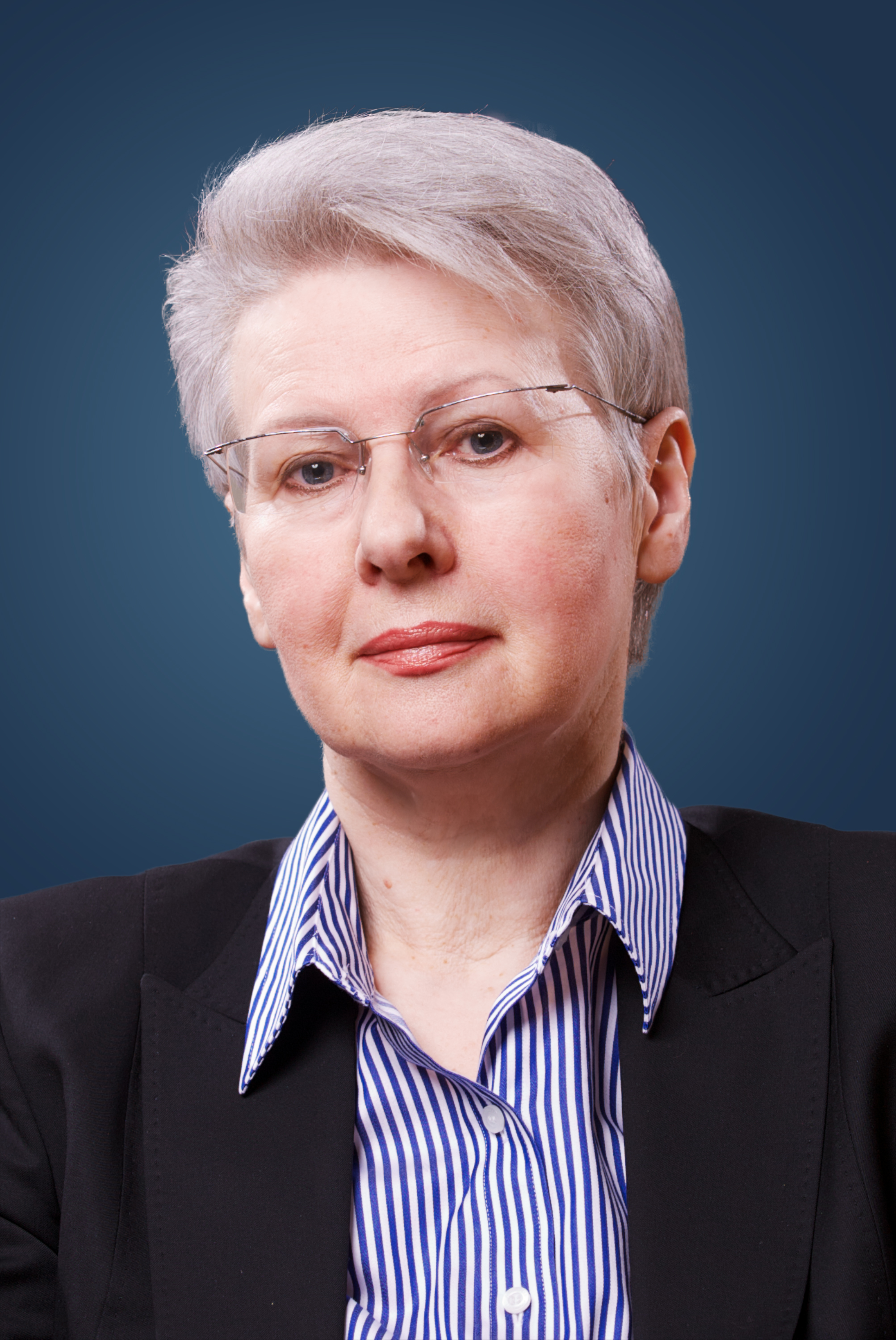
Former Senior Associate, Russian Domestic Politics and Political Institutions Program, Moscow Center
Shevtsova chaired the Russian Domestic Politics and Political Institutions Program at the Carnegie Moscow Center, dividing her time between Carnegie’s offices in Washington, DC, and Moscow. She had been with Carnegie since 1995.
Carnegie India does not take institutional positions on public policy issues; the views represented herein are those of the author(s) and do not necessarily reflect the views of Carnegie, its staff, or its trustees.