

Commentary
Judy Dempsey
{
  "authors": [
    "Judy Dempsey"
  ],
  "type": "legacyinthemedia",
  "centerAffiliationAll": "",
  "centers": [
    "Carnegie Endowment for International Peace",
    "Carnegie Europe"
  ],
  "collections": [],
  "englishNewsletterAll": "",
  "nonEnglishNewsletterAll": "",
  "primaryCenter": "Carnegie Europe",
  "programAffiliation": "",
  "programs": [],
  "projects": [],
  "regions": [
    "Europe"
  ],
  "topics": [
    "Foreign Policy"
  ]
}
Source: Getty
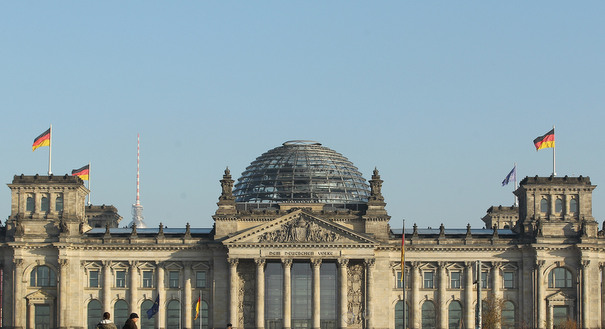
When Joachim Gauck was elected president of Germany, his triumph in capturing the largely ceremonial office closed an era in German politics.
Source: New York Times

It is not because Mr. Gauck became the first president who did not belong to a political party. Or because he was born and raised in Communist East Germany, where he was active in the opposition before the Berlin Wall was torn down in November 1989.
It is because the cozy relationships that existed until now between politicians and businesspeople, journalists and lobbyists are being severed. Corporate Germany, analysts say, is on the wane, thanks to Mr. Gauck’s predecessor, Christian Wulff.
“We really hope something is now changing in Germany’s political culture,” said Timo Lange, a political analyst at Lobby Control, an independent organization campaigning for maximum transparency over links between politicians and companies.Mr. Wulff, 52, who was Germany’s youngest president, once had ambitions to challenge Chancellor Angela Merkel (who herself was raised in East Germany). He then settled for the presidency but was forced to resign last month. He has been accused of abusing his office when he was state premier of Lower Saxony, prior to being elected president in June 2010.
Prosecutors in Hanover are investigating whether he accepted favors from friends in business who benefited from his administration. Of course, abuse of office can happen anywhere. But Germany had been regarded as a comparatively “clean” democracy.
According to Transparency International, an organization that campaigns against corruption, Germany is tied with Japan for 14th place out of 183 countries in the group’s annual corruption perceptions index , which ranks countries on a scale of 0 (highly corrupt) to 10 (very clean).
New Zealand is ranked No.1, with a score of 9.5. Denmark and Finland are tied for second, with a score of 9.4. Germany scored 8. At the bottom are Afghanistan and Myanmar, both at 1.5, and North Korea and Somalia, at 1.
Despite this reputation, the Wulff affair touched a nerve, particularly at a time when there is growing disenchantment with the traditional political parties. Fringe protest parties are emerging, not only in Germany but also in other European countries.
The rise of the Pirate Party stunned the established parties last September after it was swept for the first time into Berlin’s state government. And the euro crisis and the German-led insistence on radical savings and public sector cutbacks in Greece, Ireland, Portugal and Spain in return for substantial financial assistance have changed attitudes toward power, money and patronage.
There is a backlash against the big salaries paid to company directors and the bonuses to bankers. The public has little patience for the slightest suspicion that politicians abuse their office. Nongovernmental organizations are also using the Wulff affair as an opportunity to weaken or even end the decades-long close ties between politicians, companies and the news media.
“More transparency would definitely strengthen democracy but also improve the standing and the reputation of parliamentarians,” said Edda Müller, chairwoman of the German chapter of Transparency International.
“I have the impression that something positive will come out of the Wulff scandal,” she added.
It is already beginning.
German companies, including Daimler, Audi and BMW, are reconsidering their sponsorship this year of the national president’s glamorous summer party, where businesspeople, politicians, lobbyists and journalists vie for attention. The problem with these and other sponsored political events, down to the local councils, is that the public has no idea how much companies have paid for the entertainment. That’s because party sponsorship does not have to be publicly disclosed, unlike financial support for political parties where any sum of €10,000, or $13,000, or more must be reported.
“There really needs to be a government regulation whereby party sponsoring should be publicly declared,” Ms. Müller said. “Somehow, the government is very hesitant about dealing with this issue. We need clear, open transparency.”
The shift in the political culture continues.
Deutsche Bahn, the state-owned railroad company, announced last week that it would abolish the special 50 percent discount for journalists who bought an annual second-class rail card. Other companies are cutting back offers for free hotel accommodation, trips abroad to exotic destinations and expensive Christmas gifts to journalists and lobbyists, all because of the Wulff affair.
In that sense, Germany is now drawing closer to countries like the United States, where newspapers have very strict codes of conduct for journalists.
But even before, Ms. Merkel had little time for cozy relationships between industry and politicians. When she first became chancellor in 2005, she shunned the captains of industry who for decades had quasi-automatic access to the chancellery.
Her environmental policies also antagonized traditionally powerful sectors, like the energy companies.
In 2005, for example, Ms. Merkel made climate change a top priority, pushing renewable sources into playing a major role, and energy chiefs balked at the idea. They claimed that it would lead to the de-industrialization of Germany.
Analysts had a different view. Industry’s political influence, built up since the 1950s, would be eroded.
Certainly, privatization, globalization and the European Union’s attempts to break up, for example, the energy monopolies throughout Europe have also played a role in weakening “Corporate Germany.” But some analysts also argue that Ms. Merkel’s decision last year after the nuclear catastrophe at the Fukushima Daiichi power plant in Japan to close all 17 of Germany’s nuclear reactors by 2022 was fundamental. It precipitated the end of the sector’s postwar economic and political dominance.
Since then, the big energy companies have been forced to sell some of their assets to compensate for the loss of nuclear power sales. Their political influence and patronage have waned, with far fewer jobs available for former ministers and politicians.
No doubt, former politicians will continue to become board members of the big companies and companies will continue to lobby politicians. But the Wulff affair means it may be no longer quite business as usual.

Nonresident Senior Fellow, Carnegie Europe
Judy Dempsey is a nonresident senior fellow at Carnegie Europe
Recent Work
Judy Dempsey
Judy Dempsey
Carnegie India does not take institutional positions on public policy issues; the views represented herein are those of the author(s) and do not necessarily reflect the views of Carnegie, its staff, or its trustees.

This piece examines India’s response to U.S. sanctions and tariffs, specifically assessing the immediate market consequences, such as alterations in import costs, and the broader strategic implications for India’s energy security and foreign policy orientation.

Vrinda Sahai
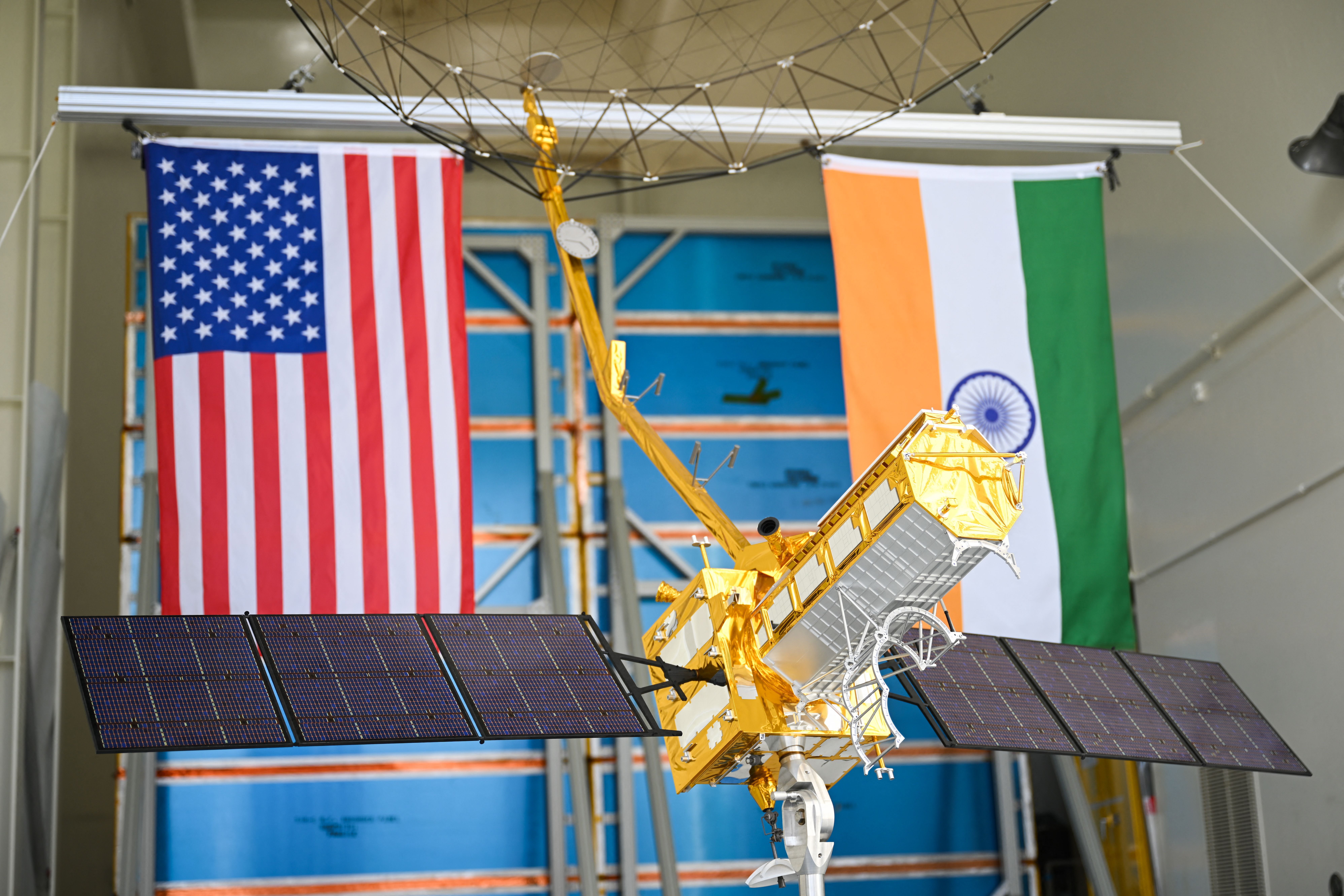
On July 30, 2025, the United States announced 25 percent tariffs on Indian goods. While diplomatic tensions simmered on the trade front, a cosmic calm prevailed at the Sriharikota launch range. Officials from NASA and ISRO were preparing to launch an engineering marvel into space—the NASA-ISRO Synthetic Aperture Radar (NISAR), marking a significant milestone in the India-U.S. bilateral partnership.

Tejas Bharadwaj
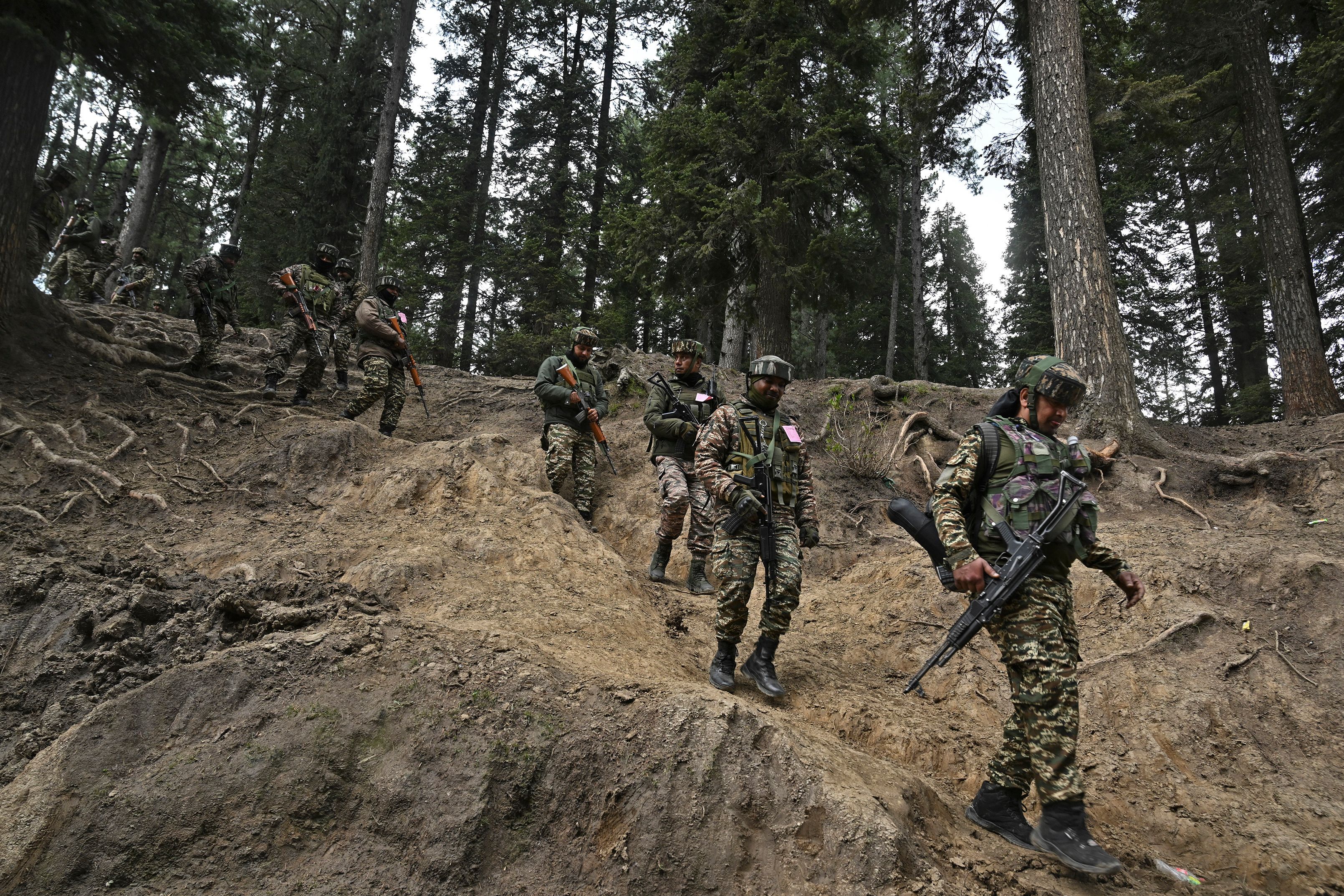
On May 7, 2025, between 1:05 and 1:30 a.m. (IST), airstrikes carried out by the Indian Air Force hit nine locations inside Pakistan and Pakistan occupied Kashmir (PoK). It was codenamed Operation Sindoor.

Rudra Chaudhuri
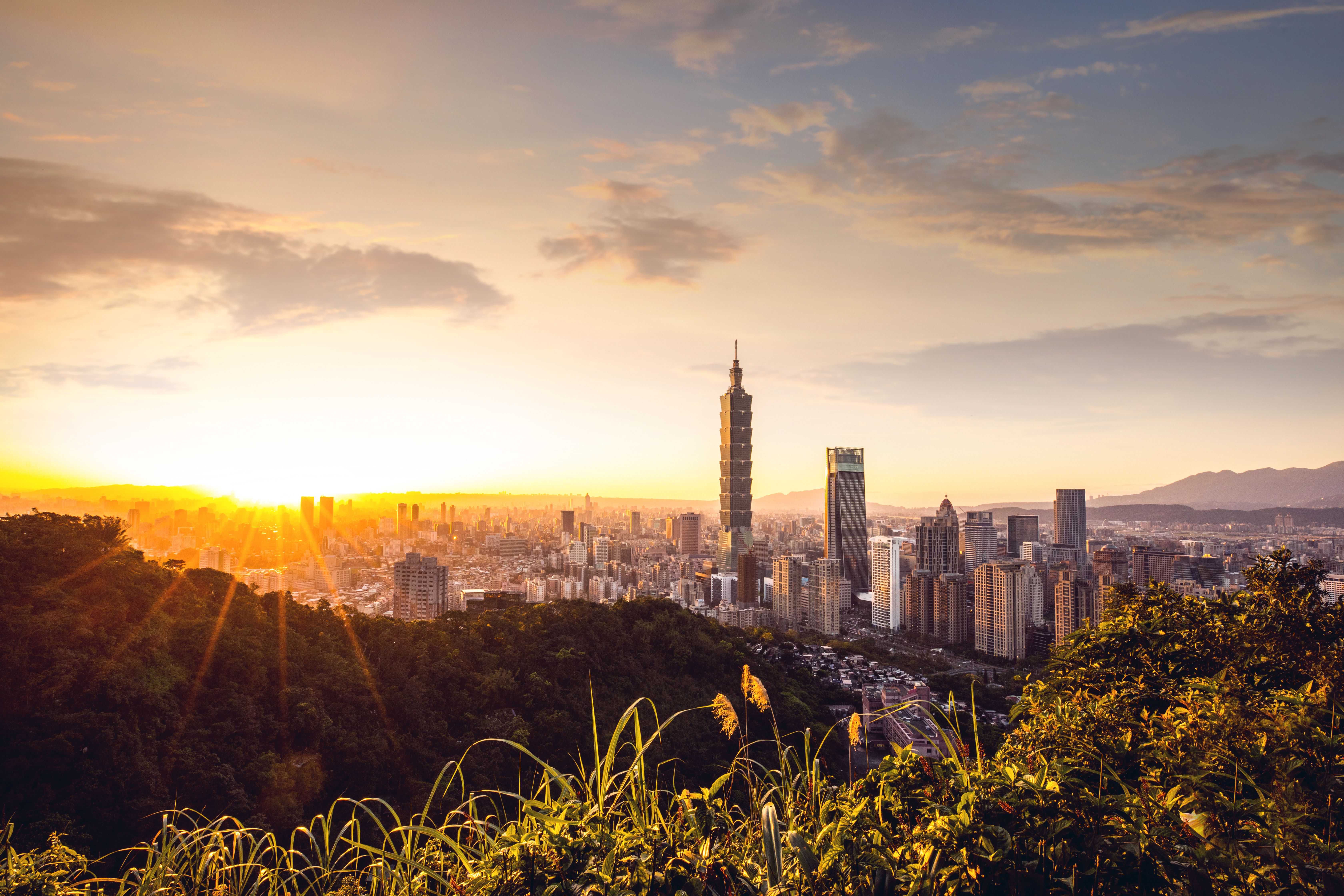
This compendium brings together three essays by scholars who participated in Carnegie India's Security Studies Dialogue in 2024, each examining a different aspect of China’s policies. Drawing on their expertise and research, the authors offer fresh perspectives on key geopolitical challenges.
Vijay Gokhale, Suyash Desai, Amit Kumar, …

As part of the TRUST initiative, leaders of the two countries committed to building trusted and resilient supply chains, including for semiconductors and critical minerals. India and the United States have made steady progress in this area over the years. This essay explores the takeaways from discussions on semiconductor supply chains that took place at Carnegie India’s 9th Global Technology Summit.

Konark Bhandari