

In The Media
Lahcen Achy
{
  "authors": [
    "Lahcen Achy"
  ],
  "type": "legacyinthemedia",
  "centerAffiliationAll": "",
  "centers": [
    "Carnegie Endowment for International Peace",
    "Malcolm H. Kerr Carnegie Middle East Center"
  ],
  "collections": [],
  "englishNewsletterAll": "",
  "nonEnglishNewsletterAll": "",
  "primaryCenter": "Malcolm H. Kerr Carnegie Middle East Center",
  "programAffiliation": "",
  "programs": [],
  "projects": [],
  "regions": [
    "Egypt",
    "Gulf",
    "Levant",
    "Maghreb"
  ],
  "topics": [
    "Economy"
  ]
}
Source: Getty
Arab regimes, challenged by rapid demographic growth and an increase in the number of educated job seekers, must transition their economies toward more merit-based competition and economic performance through productive investment.
Source: Al-Hayat

Most of the jobs created have been socially unprotected, located in the least productive economic sectors, and have provided poor compensation. Arab countries must now reform their economic models, which are based on allocating rents in a quest for political support, and shift toward models based on merit, productivity, and equity.
Based on International Labor Organization data, Arab countries will need to create 13 million jobs in the next five years simply to preserve their current level of unemployment, which is one of the highest in the world. Achieving this rather modest objective would require average economic growth of 5 percent per year. Reducing the unemployment rate in Arab countries to the worldwide average, on the other hand, would require the creation of 20 million jobs and an economic growth rate of no less than 8 percent per year—a rate unprecedented in the Arab region.Beyond the issue of the capacity of Arab countries to create such staggering numbers of jobs in the context of both domestic and global uncertainties, policymakers in the region need to shift from a quantitative to a qualitative approach to unemployment challenges. That approach should be based on an alternative development strategy and a balanced social contract.
Over the years, the Arab population has become much younger, more educated, and more open to the rest of the world. The key slogans used in the uprisings that spread across the region reveal that Arab people are striving for freedom, dignity, and social justice, and that they will no longer accept being subjected to the authoritarian social contract that prevailed for many decades. The authoritarian regimes, by allocating rents and privileges and granting subsidies and nontransparent tax exemptions, contributed to exacerbating the issues of unemployment, underemployment, and poor job quality.
First, the rentier model has stifled the spirit of entrepreneurship and the desire to invest in Arab countries. Thus, without a flourishing and vibrant private sector, there is no magic bullet to create job opportunities. Unlike emerging economies, which can typically boast investment rates that exceed 25 percent of gross domestic product, most Arab countries have had low levels of private investment. With the exception of the energy sector, they have failed to attract a critical mass of foreign investment.
Second, the rentier model has promoted high-return, quick-payback investments in real estate and financial speculation at the expense of productive investments in promising, high-value-added industrial or agricultural activities.
Third, economic growth in Arab countries has mainly generated low-quality jobs that are highly insecure and do not allow the employed to aspire for a decent standard of living.
Fourth, the rentier model in these countries has led to volatile and unstable patterns of growth due to reliance on factors beyond governments’ control, such as oil and gas prices that are set on international markets, crop yields that are subject to weather, and remittances sent by nationals from abroad that are tied to the economic conditions in host countries.
Instead of providing basic infrastructure and social services, creating a friendly business environment, managing economic policy, and ensuring an equitable redistribution of wealth among regions and social groups, the state limited its role to allocating rents and fostering a crony capitalist system in which businessmen depend heavily upon the state for access to investment opportunities and privileges.
A genuine transition toward more merit-based competition and economic performance through productive investment in promising sectors and the removal of red tape to unleash small and midsize entrepreneurship needs to occur. Without such a transition, a quantitative increase in job numbers will neither address structural imbalances that plague Arab labor markets nor their consequences on economic marginalization and the frustration of wide swaths of the population, especially the youth and women.
Former Nonresident Senior Associate, Middle East Center
Achy is an economist with expertise in development, institutional economics, trade, and labor and a focus on the Middle East and North Africa.
Recent Work
Lahcen Achy
Lahcen Achy

This piece examines India’s response to U.S. sanctions and tariffs, specifically assessing the immediate market consequences, such as alterations in import costs, and the broader strategic implications for India’s energy security and foreign policy orientation.
Vrinda Sahai

This paper examines the evolution of India-China economic ties from 2005 to 2025. It explores the impact of global events, bilateral political ties, and domestic policies on distinct spheres of the economic relationship.

Santosh Pai
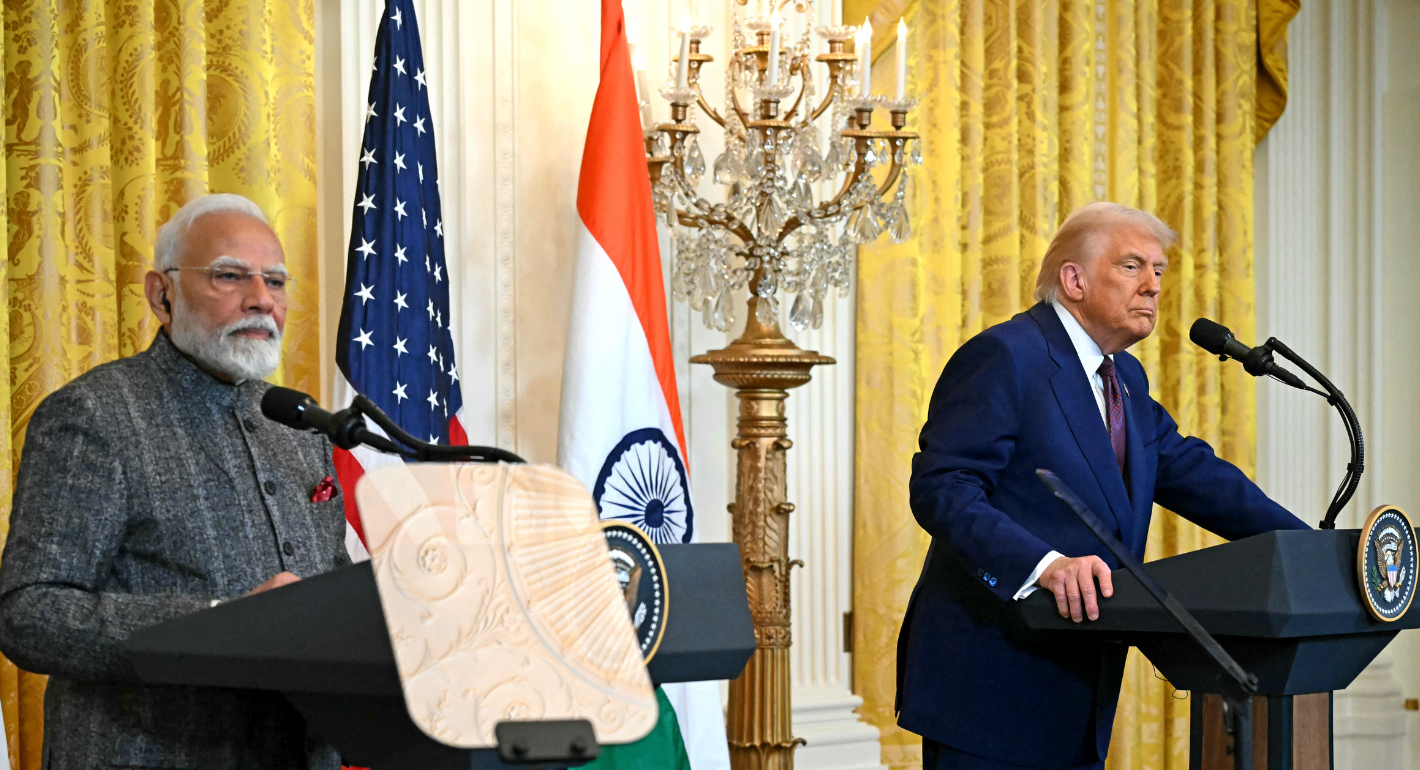
The India-U.S. relationship currently appears buffeted between three “Ts”—TRUST, Tariffs, and Trump.
Arun K. Singh
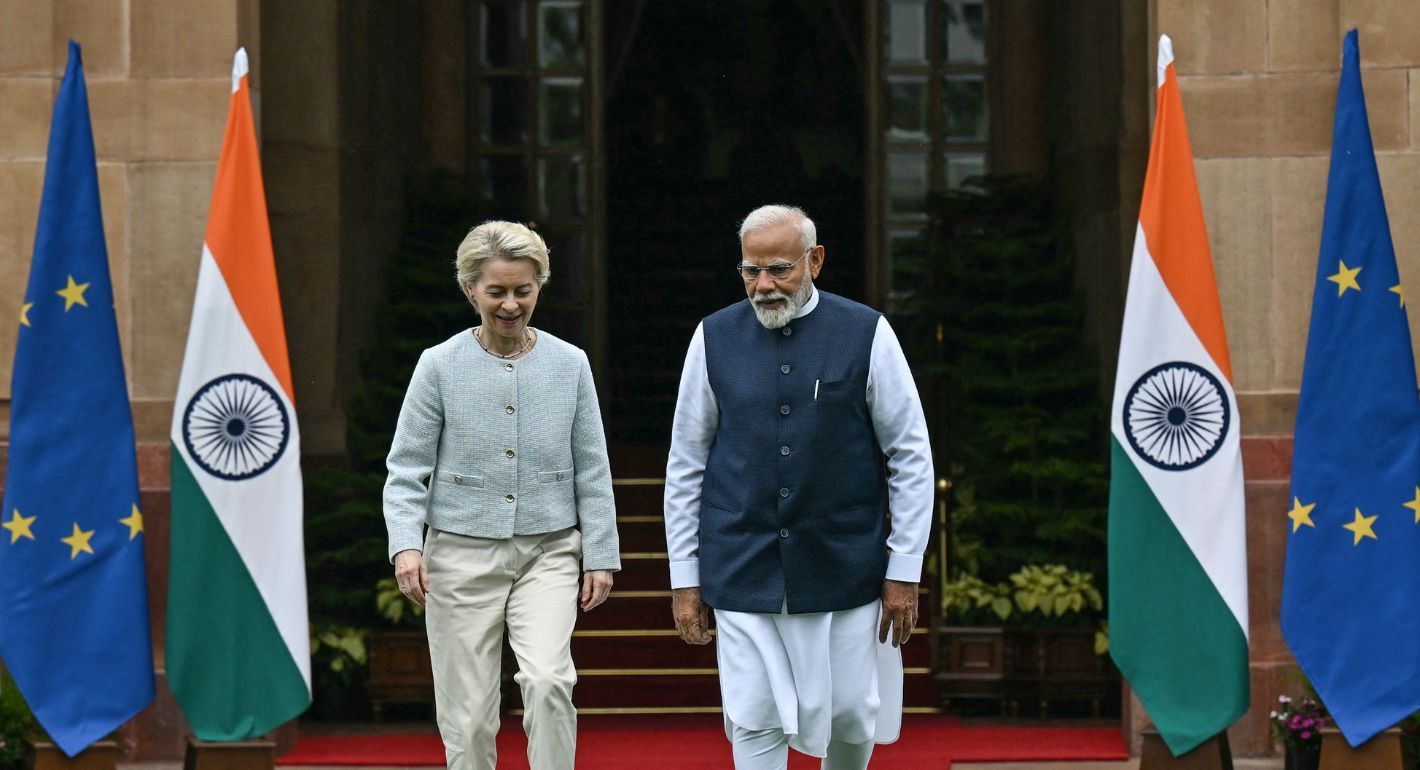
This article argues that the geopolitical circumstances have never been more conducive, not merely for the early conclusion of the free trade agreement (FTA) between India and the EU, but also for crafting a substantive and comprehensive strategic partnership.
Mohan Kumar

President Kais Saied has won a second term in office, but his country is facing a host of problems that necessitate urgent reforms, above all preventing the possibility of a financial meltdown.
Ishac Diwan, Hachemi Alaya, Hamza Meddeb