

In The Media
Lilia Shevtsova
{
  "authors": [
    "Lilia Shevtsova"
  ],
  "type": "legacyinthemedia",
  "centerAffiliationAll": "",
  "centers": [
    "Carnegie Endowment for International Peace",
    "Carnegie Russia Eurasia Center"
  ],
  "collections": [],
  "englishNewsletterAll": "",
  "nonEnglishNewsletterAll": "",
  "primaryCenter": "Carnegie Russia Eurasia Center",
  "programAffiliation": "",
  "programs": [],
  "projects": [],
  "regions": [],
  "topics": []
}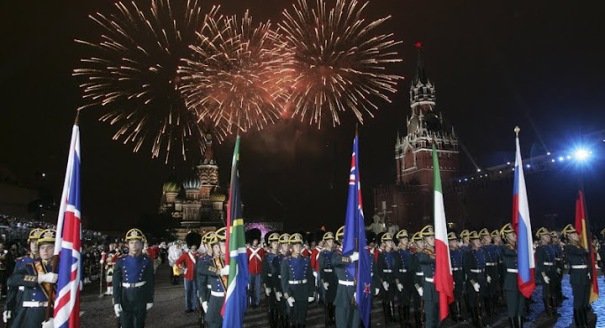
Source: Getty
Russian liberals are increasingly critical of the West as Western countries pursue a pragmatic foreign policy that often helps the Kremlin legitimize its rule.
Source: American Interest

Europe is no different. Walter Laqueur has announced “the slow death of Europe.” Zbigniew Brzezinski concludes that Europe has become “the world’s most comfortable retirement home” (p. 36). Europeans themselves lament the crisis of Western civilization as well. Constanze Stelzenmüller acknowledges a “toxic polarization of domestic politics” and discrediting of “politicians as well as of the institutions of representative government.” The Western project is beginning to resemble a house with a shaky foundation, and the spreading gloom has made the new “crisisology” into the favorite hobby of Western and non-Western observers alike.
So, what’s wrong with the West? There is a consensus: failing economy, dysfunctional domestic political systems, entrenched interests, dwindling prosperity and populism. This naturally leads one to wonder, “What are the causes of the current Western malaise?” Fukuyama reminds us of Mancur Olson’s The Rise and Decline of Nations, in which the latter argued that, during prolonged periods of prosperity and peace, democratic countries tend to accumulate entrenched interest groups, which in turn leads to the ossification of political systems. If this diagnosis is correct, the problem is systemic, and the remedy is to update the basics. ...
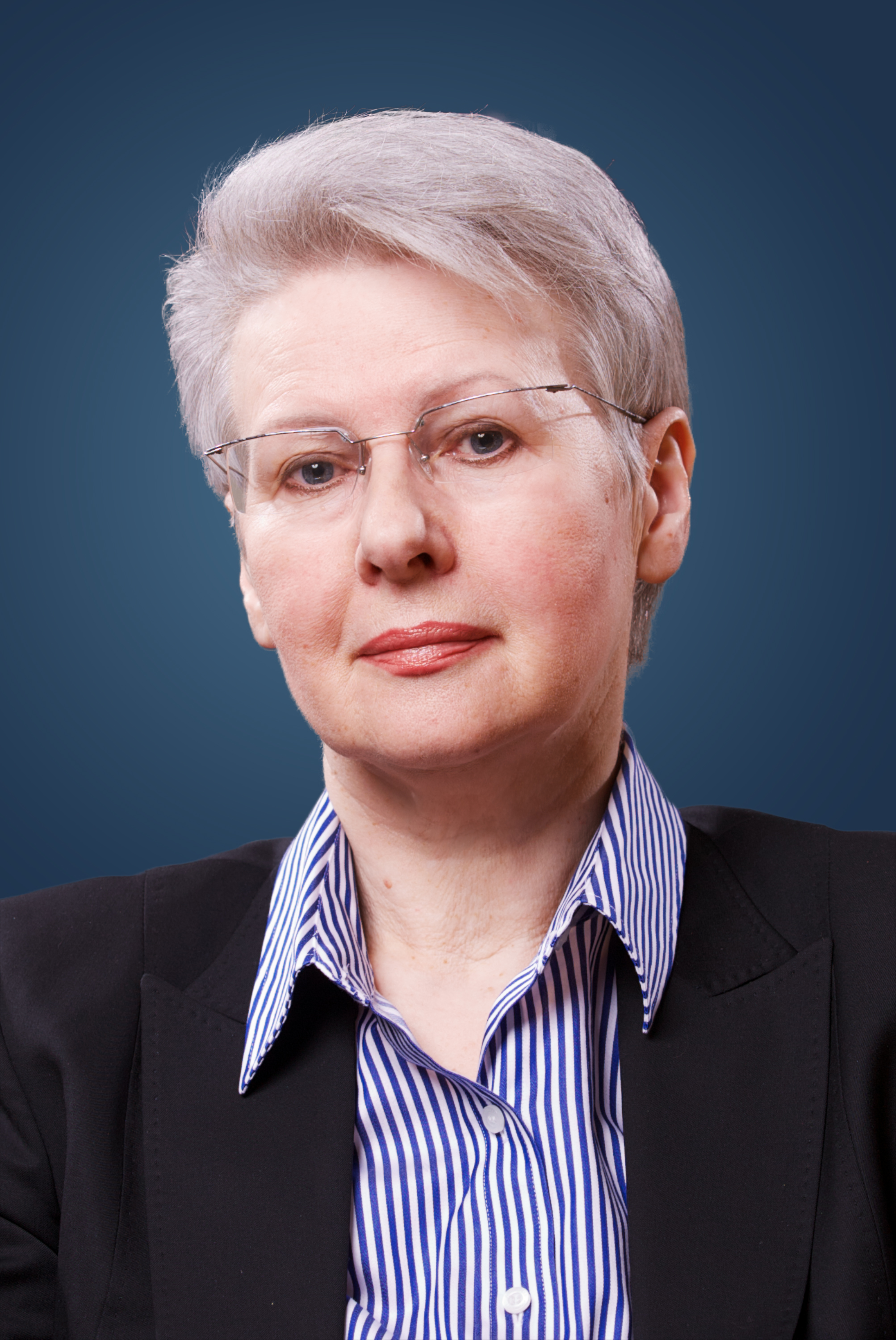
Former Senior Associate, Russian Domestic Politics and Political Institutions Program, Moscow Center
Shevtsova chaired the Russian Domestic Politics and Political Institutions Program at the Carnegie Moscow Center, dividing her time between Carnegie’s offices in Washington, DC, and Moscow. She had been with Carnegie since 1995.
Recent Work
Lilia Shevtsova
Lilia Shevtsova
Carnegie India does not take institutional positions on public policy issues; the views represented herein are those of the author(s) and do not necessarily reflect the views of Carnegie, its staff, or its trustees.