

Commentary
Judy Dempsey
{
  "authors": [
    "Judy Dempsey"
  ],
  "type": "legacyinthemedia",
  "centerAffiliationAll": "",
  "centers": [
    "Carnegie Endowment for International Peace",
    "Carnegie Europe"
  ],
  "collections": [],
  "englishNewsletterAll": "",
  "nonEnglishNewsletterAll": "",
  "primaryCenter": "Carnegie Europe",
  "programAffiliation": "",
  "programs": [],
  "projects": [],
  "regions": [
    "Europe"
  ],
  "topics": [
    "Foreign Policy"
  ]
}
Source: Getty
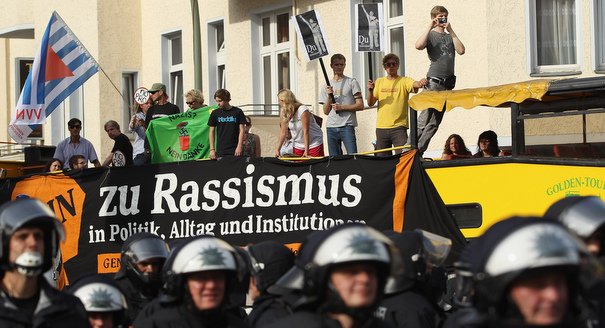
After another scandal damaged the creditability of Germany’s police force, more people are beginning to question whether the force is racist.
Source: New York Times

The latest scandal concerns two police officers serving in the southern state of Baden-Württemberg. They were members of the European White Knights, or E.W.K., which is linked to the extreme right-wing racist group, the Ku Klux Klan.
One of the police officers belongs to the regular police force, the other is a squad commander for a riot-control police unit.They are still in their jobs because they told their superior officers that when they joined the E.W.K. several years ago, they had been unaware of the intentions of the movement. They left after a few months.
Sebastian Edathy, a federal lawmaker and chairman of a parliamentary committee who is investigating a series of murders of Turks and a policewoman by the extreme right-wing National Socialist Underground, said the two officers should have been dismissed.
“Civil servants who are or were members of a decidedly anti-democratic, extremist organization must be removed from the police force,” he said.
Coincidentally, the two policemen were colleagues of Michele Kiesewetter, the policewoman murdered by the National Socialist Underground.
In another racist incident made public last March, the police union in Bavaria had distributed a calendar depicting caricatures of black people with comments in offensive language.
The police union said it could not understand what the fuss was about.
“People are acting as if there is no such thing as police jargon,” said Hermann Benker who was responsible for distributing the calendar. He said the union had, until now, been producing the calendar for six years. Had anyone complained before? No.

Nonresident Senior Fellow, Carnegie Europe
Judy Dempsey is a nonresident senior fellow at Carnegie Europe
Recent Work
Judy Dempsey
Judy Dempsey
Carnegie India does not take institutional positions on public policy issues; the views represented herein are those of the author(s) and do not necessarily reflect the views of Carnegie, its staff, or its trustees.

This piece examines India’s response to U.S. sanctions and tariffs, specifically assessing the immediate market consequences, such as alterations in import costs, and the broader strategic implications for India’s energy security and foreign policy orientation.

Vrinda Sahai
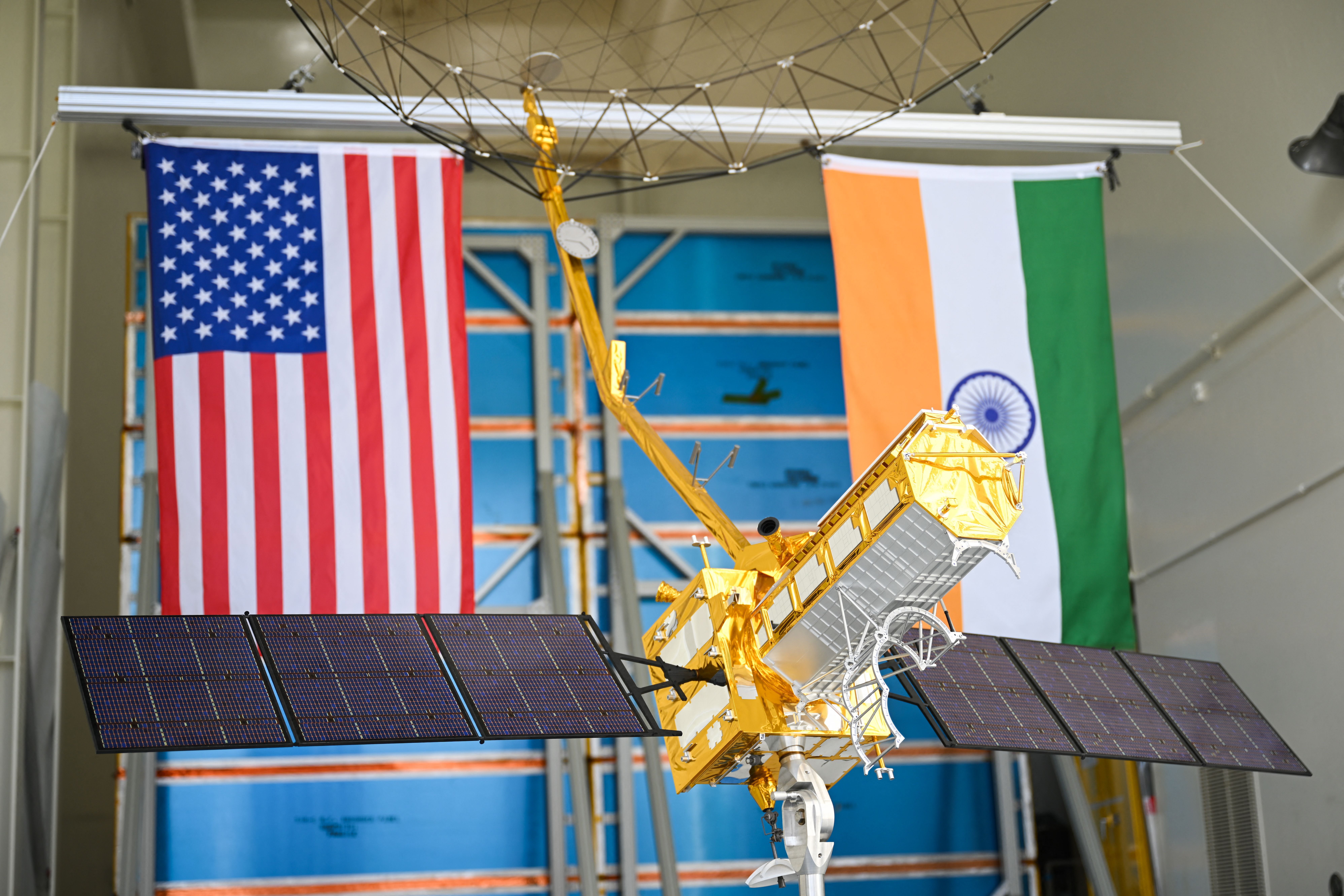
On July 30, 2025, the United States announced 25 percent tariffs on Indian goods. While diplomatic tensions simmered on the trade front, a cosmic calm prevailed at the Sriharikota launch range. Officials from NASA and ISRO were preparing to launch an engineering marvel into space—the NASA-ISRO Synthetic Aperture Radar (NISAR), marking a significant milestone in the India-U.S. bilateral partnership.

Tejas Bharadwaj
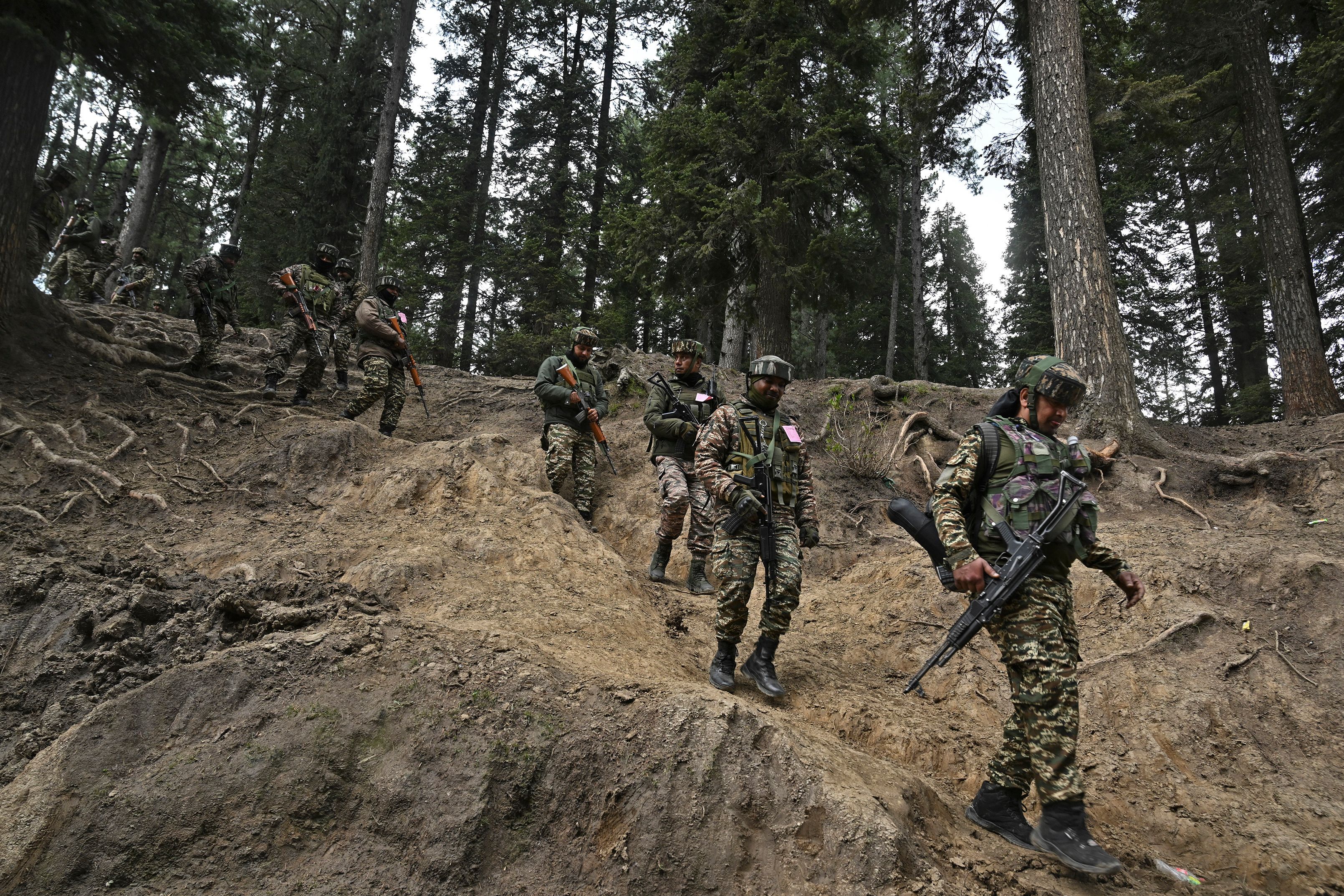
On May 7, 2025, between 1:05 and 1:30 a.m. (IST), airstrikes carried out by the Indian Air Force hit nine locations inside Pakistan and Pakistan occupied Kashmir (PoK). It was codenamed Operation Sindoor.
Rudra Chaudhuri
This compendium brings together three essays by scholars who participated in Carnegie India's Security Studies Dialogue in 2024, each examining a different aspect of China’s policies. Drawing on their expertise and research, the authors offer fresh perspectives on key geopolitical challenges.
Vijay Gokhale, Suyash Desai, Amit Kumar, …

As part of the TRUST initiative, leaders of the two countries committed to building trusted and resilient supply chains, including for semiconductors and critical minerals. India and the United States have made steady progress in this area over the years. This essay explores the takeaways from discussions on semiconductor supply chains that took place at Carnegie India’s 9th Global Technology Summit.

Konark Bhandari