

Paper
James L. Schoff, Douglas E. Rake, Joshua Levy
{
  "authors": [
    "James L. Schoff"
  ],
  "type": "other",
  "centerAffiliationAll": "dc",
  "centers": [
    "Carnegie Endowment for International Peace"
  ],
  "collections": [],
  "englishNewsletterAll": "asia",
  "nonEnglishNewsletterAll": "",
  "primaryCenter": "Carnegie Endowment for International Peace",
  "programAffiliation": "AP",
  "programs": [
    "Asia"
  ],
  "projects": [],
  "regions": [
    "East Asia",
    "Japan"
  ],
  "topics": [
    "Nuclear Policy"
  ]
}
Source: Getty
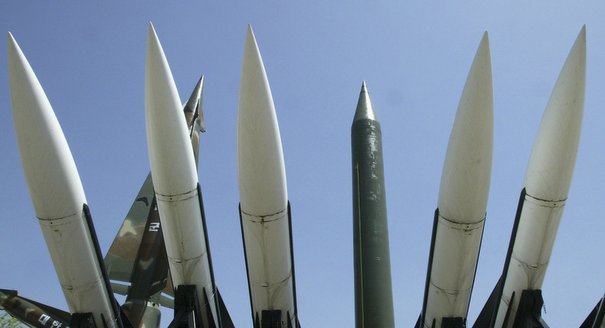
The U.S. nuclear umbrella is only one component of America’s security commitment to Japan. Forward defense deployments, cooperative missile defense development, stepped-up intelligence sharing, and diplomatic and political visits are all components of extended deterrence.
Source: Strategy in the Second Nuclear Age

The chapter looks beyond just the nuclear component of extended deterrence with regard to Japan. Indeed, U.S. reassurance of its nuclear umbrella over Japan is only one (albeit important) component of America’s security commitment to Japan. U.S. forward deployments in East Asia, missile defense development with Japan, stepped-up intelligence sharing with Japan, U.S. preemptive strike policies vis-à-vis North Korean missile launch pads, and diplomatic/political visits and signaling are all components of extended deterrence, among others.
A detailed understanding of how Japan can and might approach the nuclear question in response to current and future events is critical for the proper orientation of America’s security policies in East Asia and for a well-functioning U.S.-Japan alliance.
Strategy in the Second Nuclear Age is available for purchase through the Georgetown University Press.

Former Senior Fellow, Asia Program
James L. Schoff was a senior fellow in the Carnegie Asia Program. His research focuses on U.S.-Japan relations and regional engagement, Japanese technology innovation, and regional trade and security dynamics.
Recent Work
James L. Schoff, Douglas E. Rake, Joshua Levy
James L. Schoff
Carnegie India does not take institutional positions on public policy issues; the views represented herein are those of the author(s) and do not necessarily reflect the views of Carnegie, its staff, or its trustees.

This piece examines the strategic implications of Bhutan’s diplomatic efforts amid its border dispute with China, highlighting the thin ice it walks on to achieve a resolution without compromising its vital relationships.

Shibani Mehta
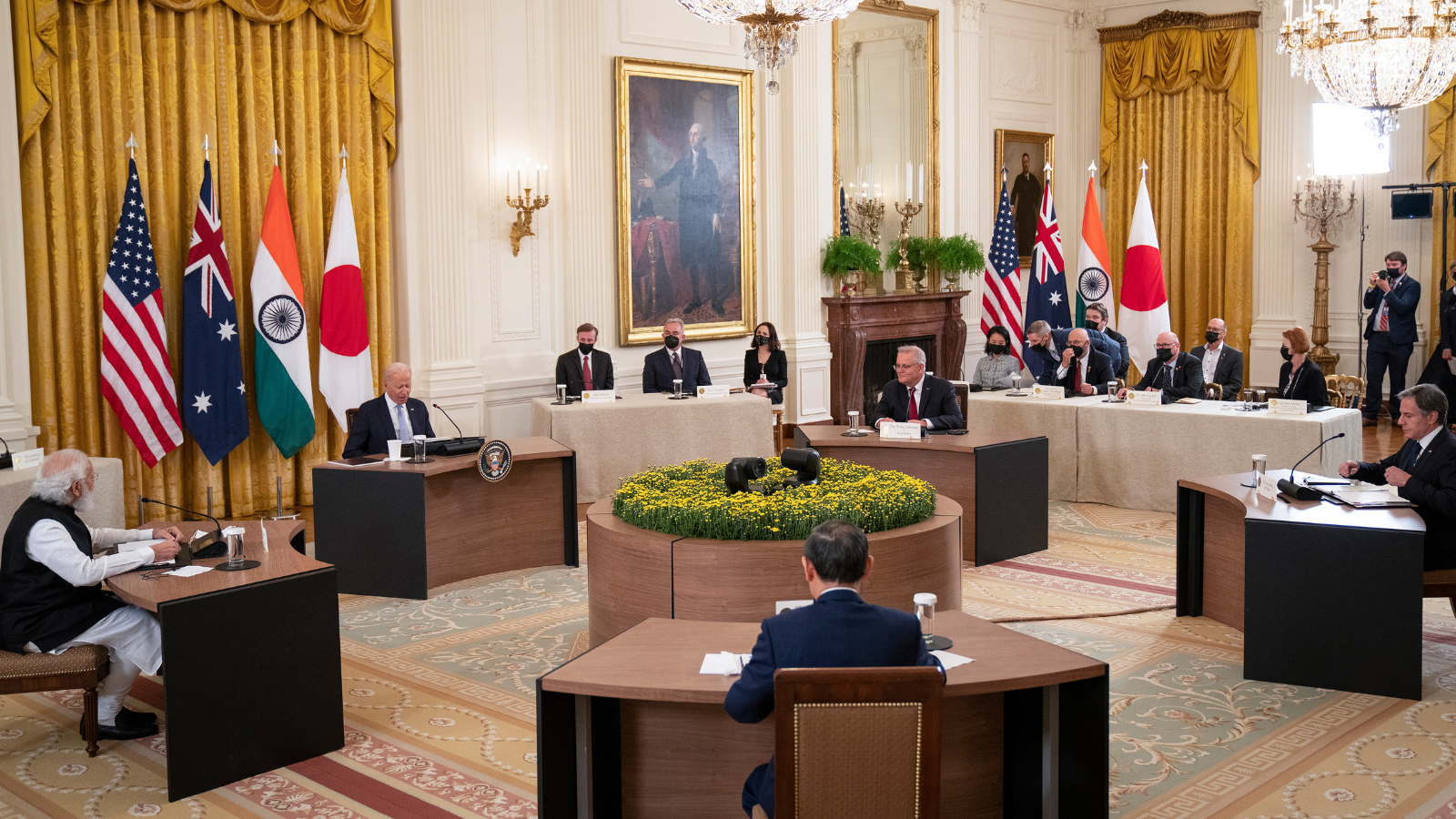
With India set to host the sixth Quad Leaders' Summit in 2024, there is every opportunity for this minilateral to not only develop a DPI initiative but also execute pilots in the Indo-Pacific. This essay shares a rationale for how the four Quad countries could achieve this goal.


Rudra Chaudhuri, Aadya Gupta

How can India navigate export control measures at a time when it is also entering into technology-centric partnerships with other nations to secure enhanced access to advanced technology?

Konark Bhandari
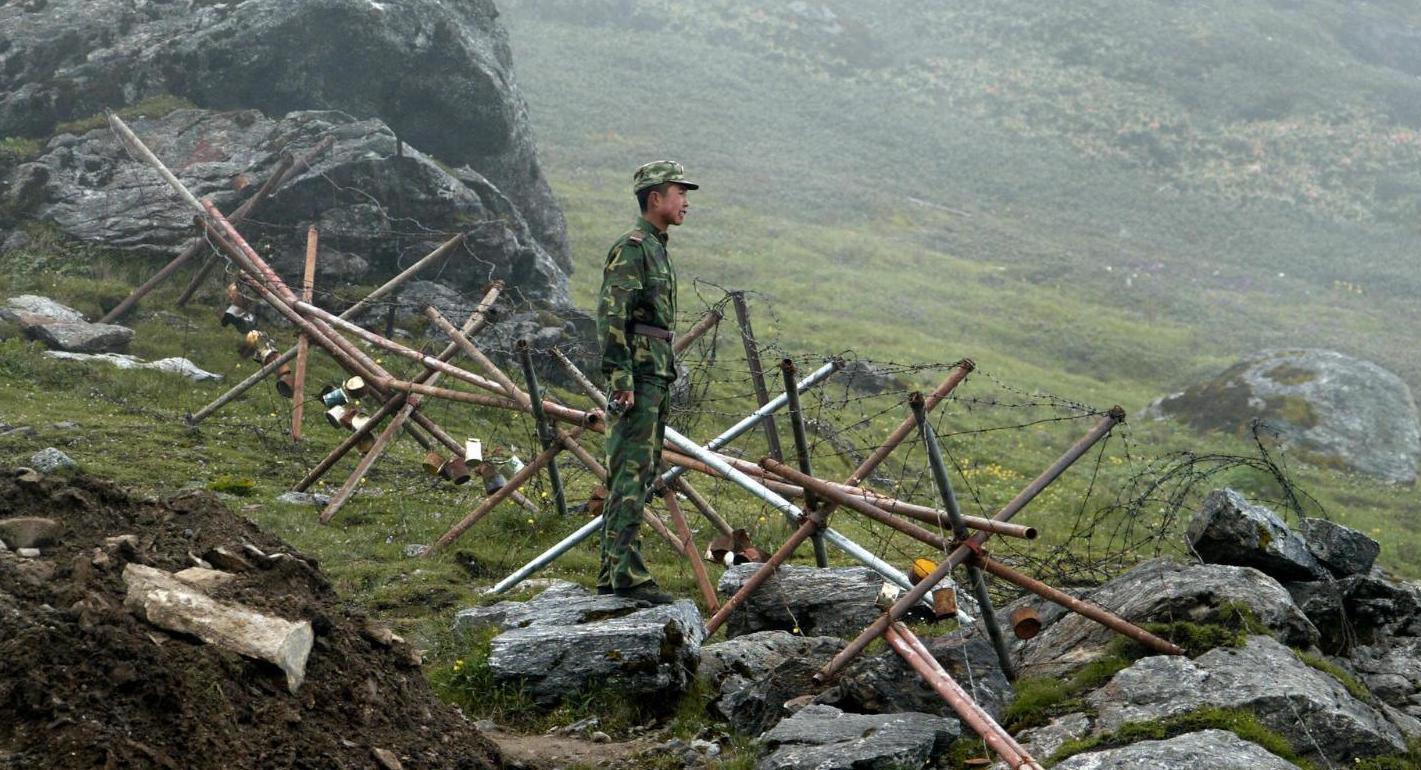
This article examines the significance of the 2013, 2014, and 2015 border standoffs between India and China. It presents a detailed account of the border crises and how the two countries tried to manage them.
Shibani Mehta
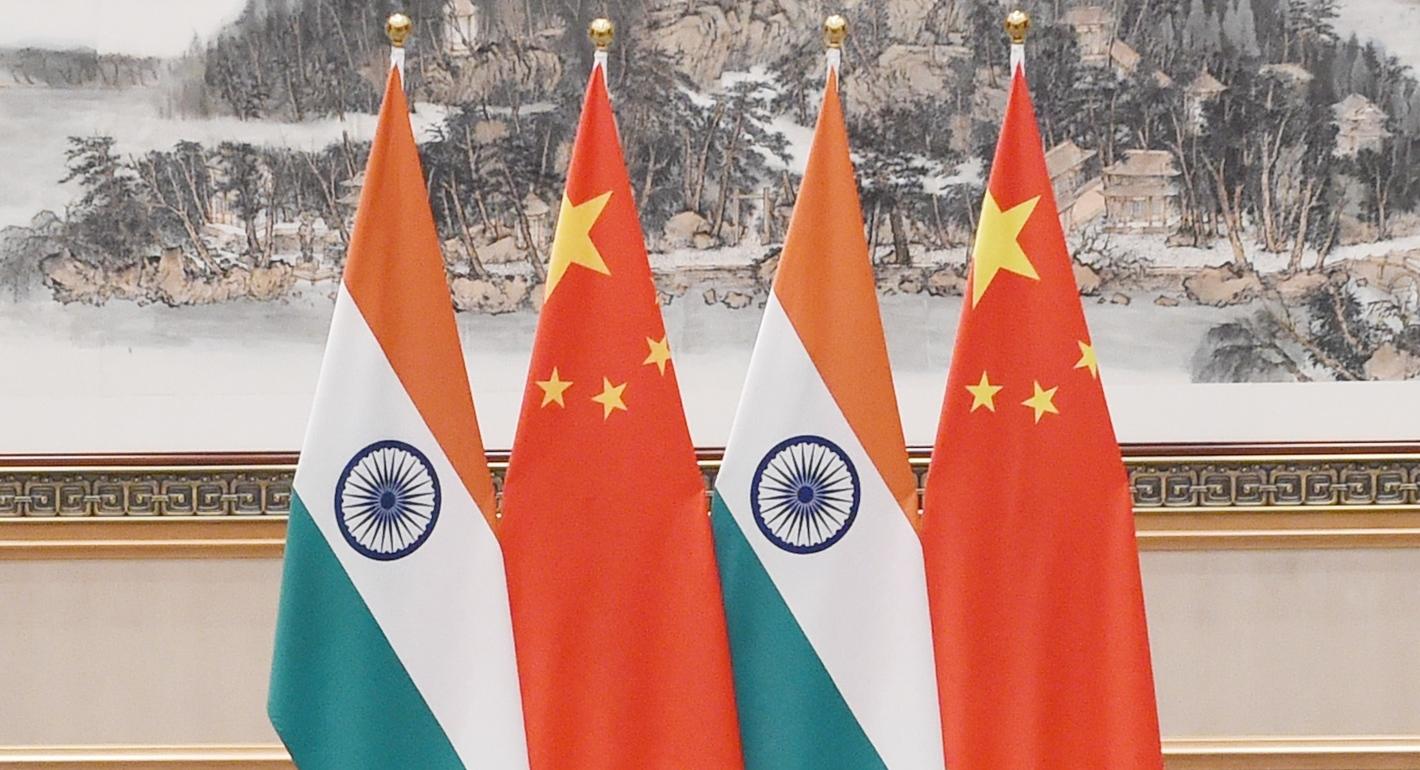
Contrary to some recent analyses, this commentary explains why a strategic détente between India and China is unlikely.

Saheb Singh Chadha