

Commentary
Nikolay Petrov
{
  "authors": [
    "Nikolay Petrov"
  ],
  "type": "legacyinthemedia",
  "centerAffiliationAll": "",
  "centers": [
    "Carnegie Endowment for International Peace",
    "Carnegie Russia Eurasia Center"
  ],
  "collections": [],
  "englishNewsletterAll": "",
  "nonEnglishNewsletterAll": "",
  "primaryCenter": "Carnegie Russia Eurasia Center",
  "programAffiliation": "",
  "programs": [],
  "projects": [],
  "regions": [],
  "topics": []
}
Source: Getty
The Kremlin is unlikely to agree with all of the Institute for Social, Economic and Political Studies’ proposals for improving the gubernatorial election process.
Source: The Moscow Times

The first recommendation is that candidates not be allowed to collect more signatures than the minimum required by law. This would avoid situations such as occurred in Novgorod, where the governor forced almost all municipal deputies to give their signatures to either him or his "sparring partner," not leaving enough signatures for any other party to register its candidate.
Second, the report proposes to reinstate the minimum 35 percent turnout for elections. This is intended to increase the legitimacy of the regional authorities in the eyes of the people.
Third, the report points out a potentially destabilizing situation that could occur in 2017 — after the State Duma elections in 2016 and before the presidential election in 2018. The concern is that during this period, the Duma elections could deepen rivalries between political elites in the regions, some of whom hold gubernatorial ambitions and could therefore view the Duma vote as part of a campaign to secure a governor's spot. The report suggests holding early elections for 31 governors whose terms expire in 2016 and 2017.
The terms of eight regional leaders expire by next September, meaning gubernatorial elections will be held next year in the regions of Ingushetia, Khakassia, Chukotka, Zabaikalsky, Khabarovsk, Magadan and Vladimir. And with Sergei Shoigu named as the new defense minister, someone will be elected to replace him as governor of the Moscow region. In addition, 11 gubernatorial posts will be on the ballot in 2014.
Many governors, especially those with relatively weak approval ratings, are not averse to holding early elections. They are largely justified in thinking that the social and economic situation in the country will not improve in the near future. They also believe that the Kremlin will successfully use its administrative resources to secure a win for them as it did for the governors in last month's elections.
Badovsky's proposals are sensible, and the authorities are likely to make several corrections to the way in which filters are applied in municipal elections. But the Kremlin is unlikely to reinstate the turnout requirement because that would make it more difficult for United Russia to win.
It is even less likely that the Kremlin will agree to hold early elections for a large number of governors because, unlike Badovsky, leaders are focused more on short-term gains than on long-term perspectives.
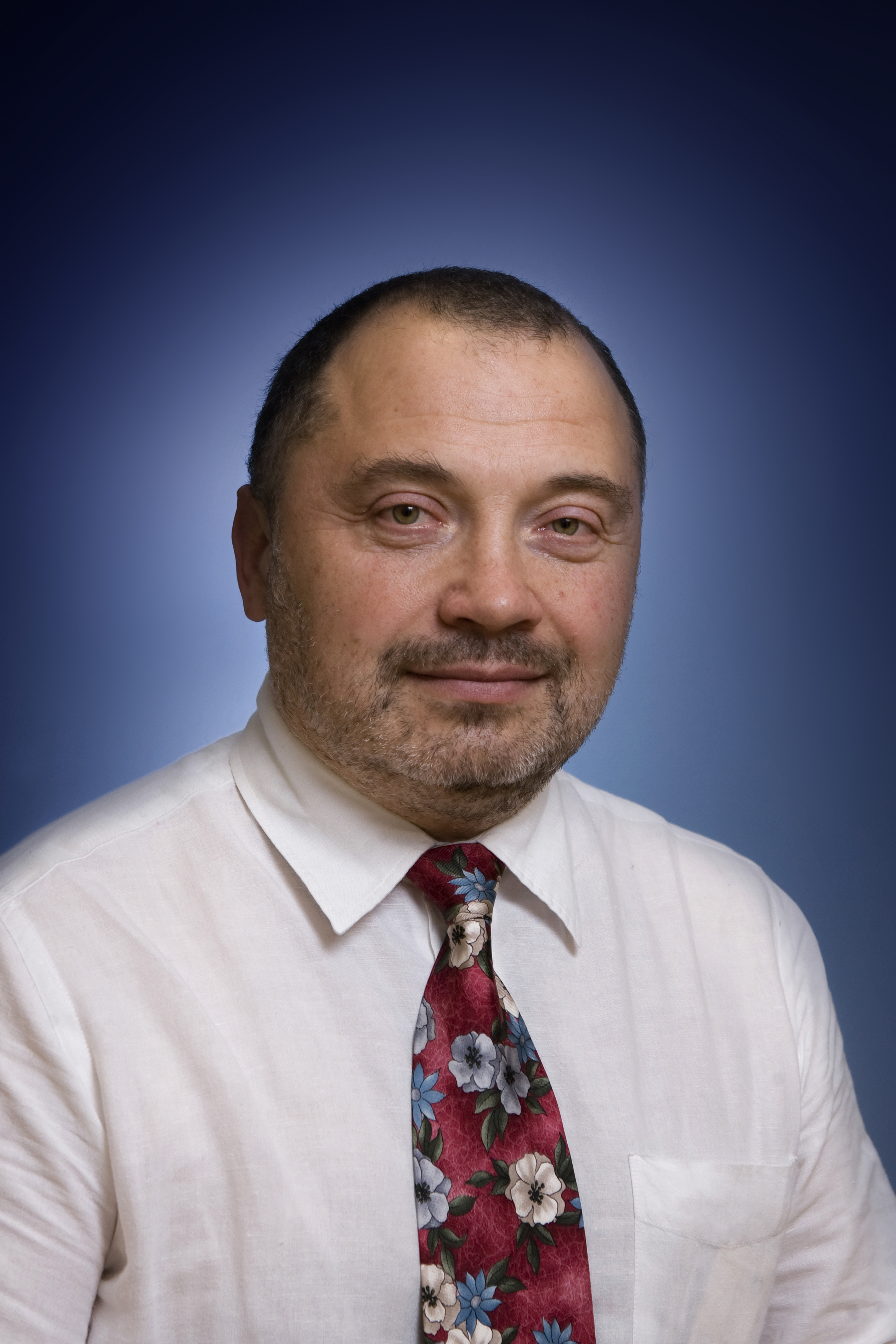
Former Scholar-in-Residence, Society and Regions Program, Moscow Center
Nikolay Petrov was the chair of the Carnegie Moscow Center’s Society and Regions Program. Until 2006, he also worked at the Institute of Geography at the Russian Academy of Sciences, where he started to work in 1982.
Recent Work
Nikolay Petrov
Nikolay Petrov
Carnegie India does not take institutional positions on public policy issues; the views represented herein are those of the author(s) and do not necessarily reflect the views of Carnegie, its staff, or its trustees.