

Article
Wang Tao
{
  "authors": [
    "Wang Tao"
  ],
  "type": "legacyinthemedia",
  "centerAffiliationAll": "",
  "centers": [
    "Carnegie Endowment for International Peace",
    "Carnegie China"
  ],
  "collections": [],
  "englishNewsletterAll": "",
  "nonEnglishNewsletterAll": "",
  "primaryCenter": "Carnegie China",
  "programAffiliation": "",
  "programs": [],
  "projects": [],
  "regions": [],
  "topics": []
}
Source: Getty
For the negotiations at Doha to be successful, compromises must be reached on financial support for developing countries and on the Kyoto protocol second commitment period.
Source: CNTV
Speaking to CNTV from Doha, Carnegie’s Wang Tao listed the two main areas of contention at the negotiations: agreeing to a second commitment period for the Kyoto protocol and financing to tackle climate change for developing countries. These are two very divisive issues creating tensions between developed and developing countries. Wang argued that “compromises have to be made among nations so that we can achieve a more successful and balanced outcome from Doha.”
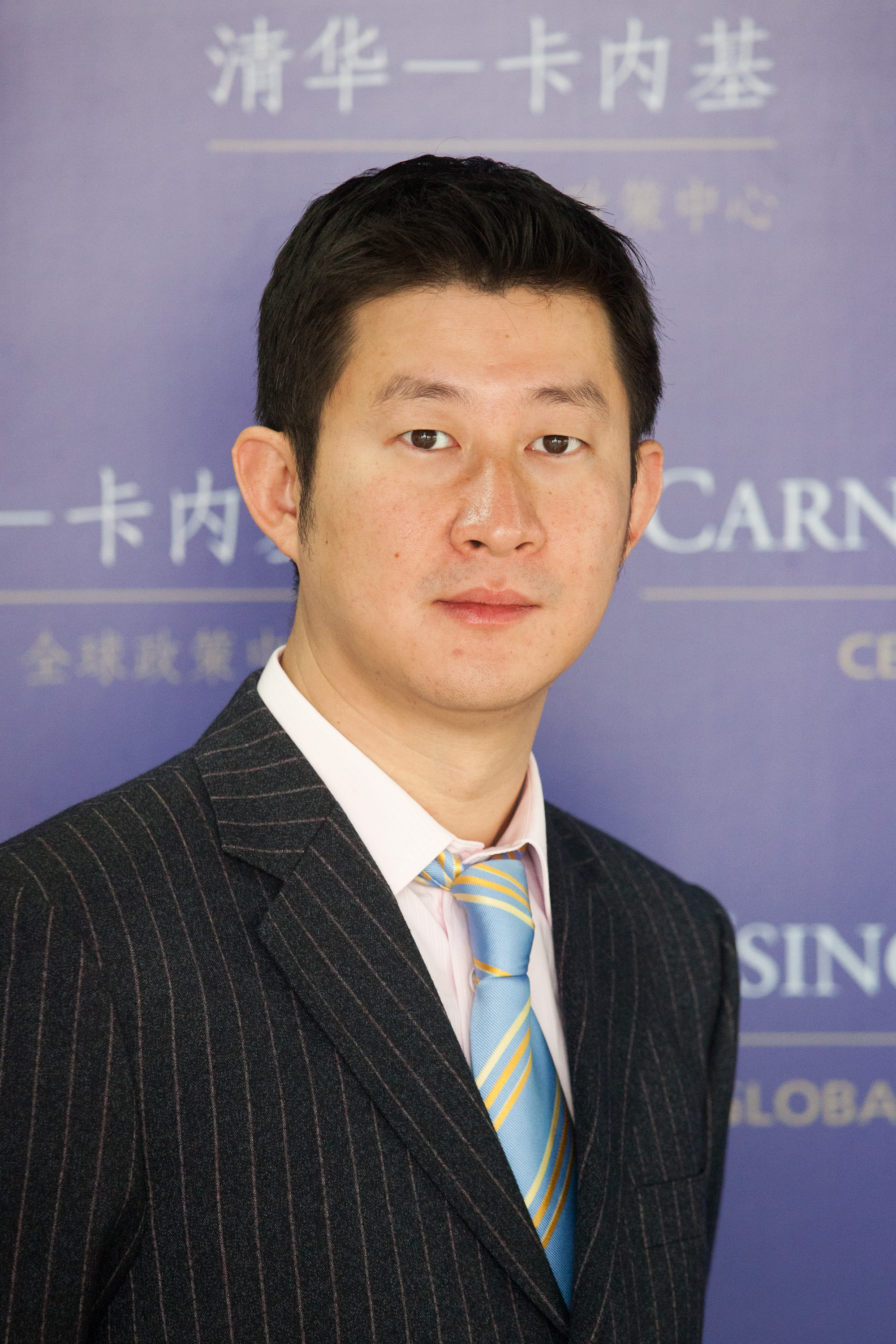
Former Nonresident Scholar, Carnegie-Tsinghua Center for Global Policy
Wang Tao was a nonresident scholar in the Energy and Climate Program based at the Carnegie–Tsinghua Center for Global Policy.
Recent Work
Wang Tao
Wang Tao, Yang Yifang
Carnegie India does not take institutional positions on public policy issues; the views represented herein are those of the author(s) and do not necessarily reflect the views of Carnegie, its staff, or its trustees.