

Paper
- +2
George Perkovich, Malcolm Chalmers, Steven Pifer, …
{
  "authors": [
    "Paul Schulte"
  ],
  "type": "legacyinthemedia",
  "centerAffiliationAll": "dc",
  "centers": [
    "Carnegie Endowment for International Peace"
  ],
  "collections": [
    "Korean Peninsula"
  ],
  "englishNewsletterAll": "ctw",
  "nonEnglishNewsletterAll": "",
  "primaryCenter": "Carnegie Endowment for International Peace",
  "programAffiliation": "NPP",
  "programs": [
    "Nuclear Policy"
  ],
  "projects": [],
  "regions": [
    "East Asia",
    "North Korea"
  ],
  "topics": [
    "Nuclear Policy"
  ]
}
Source: Getty
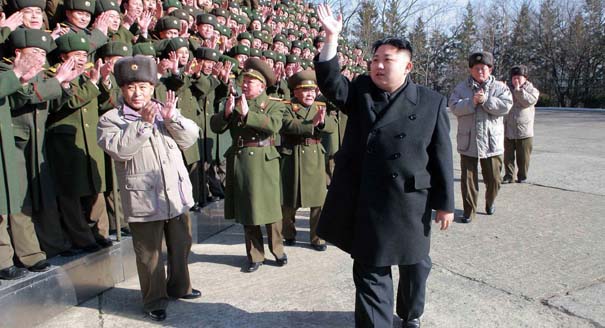
North Korea's latest rocket launch is part of an established behavior, where it hopes that generating international anxiety will bring the global community to offer aid, assistance, and toleration of the regime.
Source: Sky News

Schulte said that North Korea is "trying to go on its well established path of getting attention, generating anxiety, and hoping to get aid, assistance, and toleration of the regime." He explained that in the past the West has been irritated by these types of actions from North Korea, but has always "come up with the goods." "They have offered fuel, the South Koreans in particular have offered food, which is an important humanitarian issue because many North Koreans are in fact starving," Schulte pointed out.
Schulte added that the tactic of continually threatening and then hinting that if the goods were delivered relations would improve has paid off in the past. "It's a form of nuclear extortion," he said.
Regarding China's support for the North Korean regime, Schulte explained that China is standing behind North Korea and has suggested that the real solution to the problem is to improve relations between America and North Korea. "China has a formal military alliance with them," Schulte said.
"North Korea seems determined to have nuclear weapons," Schulte concluded. "They've declared that it's their right and their intention."

Former Nonresident Senior Associate, Nuclear Policy Program
Schulte was a nonresident senior associate in the Carnegie Nuclear Policy Program, where his research focuses on the future of deterrence, nuclear strategy, nuclear nonproliferation, cybersecurity, and their political implications.
Recent Work

George Perkovich, Malcolm Chalmers, Steven Pifer, …
Paul Schulte
Carnegie India does not take institutional positions on public policy issues; the views represented herein are those of the author(s) and do not necessarily reflect the views of Carnegie, its staff, or its trustees.

This piece examines the strategic implications of Bhutan’s diplomatic efforts amid its border dispute with China, highlighting the thin ice it walks on to achieve a resolution without compromising its vital relationships.

Shibani Mehta
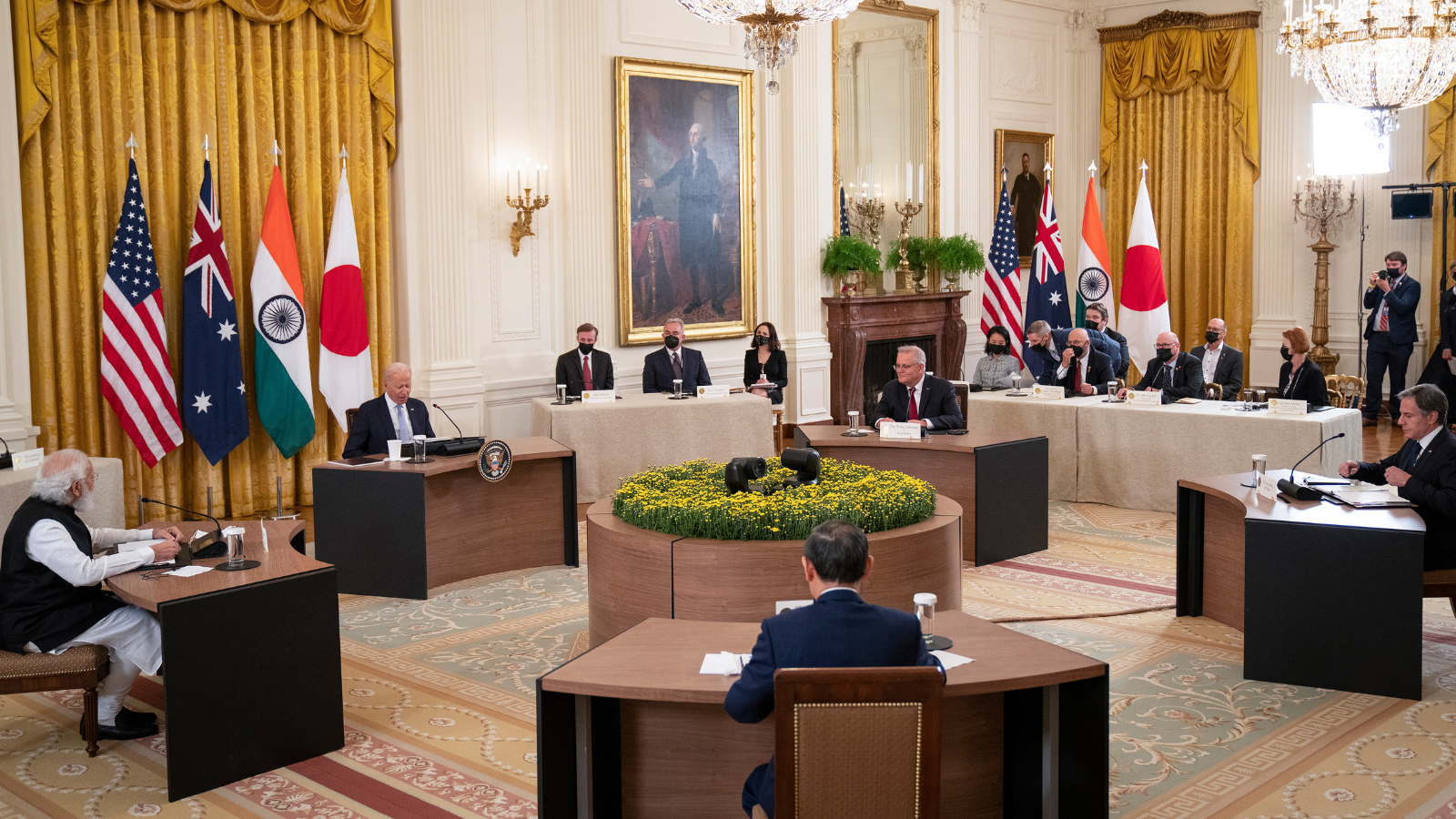
With India set to host the sixth Quad Leaders' Summit in 2024, there is every opportunity for this minilateral to not only develop a DPI initiative but also execute pilots in the Indo-Pacific. This essay shares a rationale for how the four Quad countries could achieve this goal.


Rudra Chaudhuri, Aadya Gupta

How can India navigate export control measures at a time when it is also entering into technology-centric partnerships with other nations to secure enhanced access to advanced technology?

Konark Bhandari
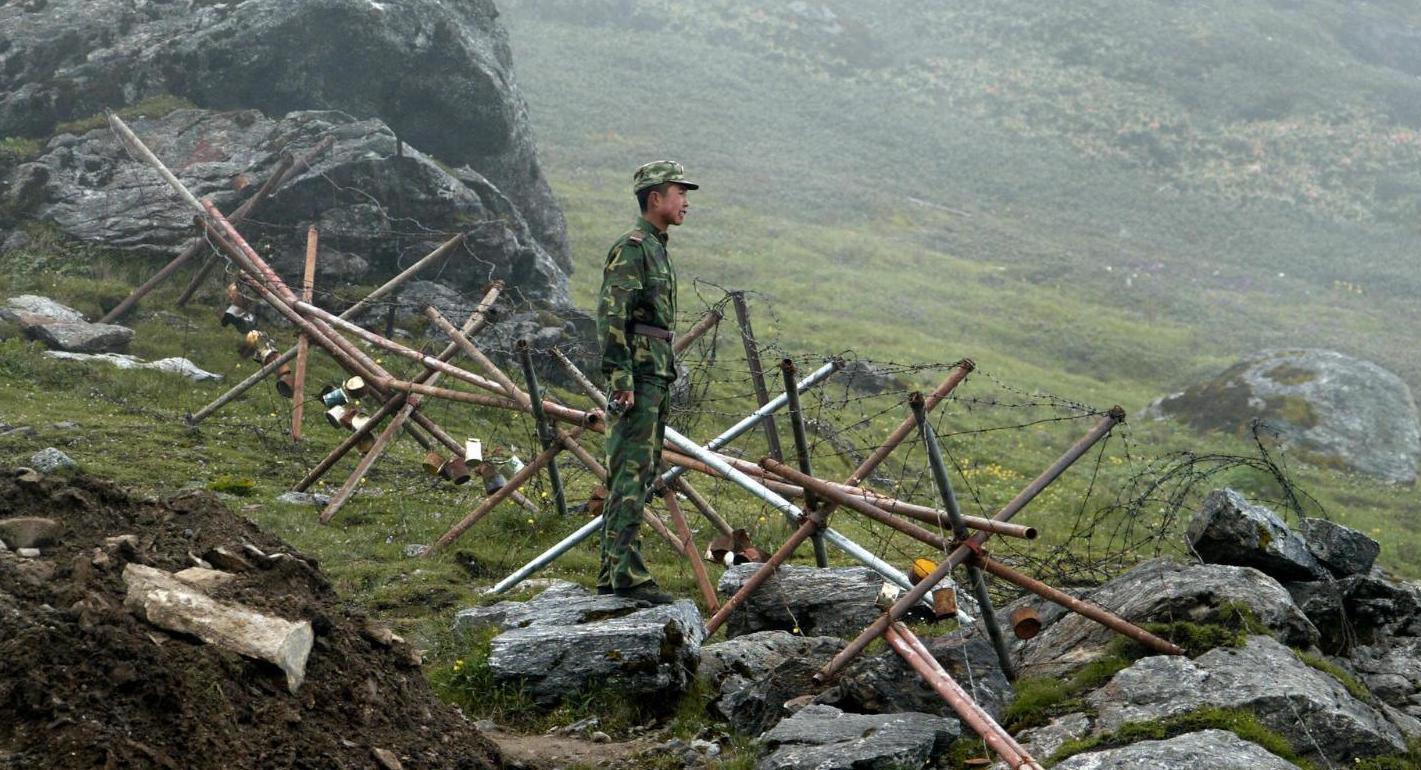
This article examines the significance of the 2013, 2014, and 2015 border standoffs between India and China. It presents a detailed account of the border crises and how the two countries tried to manage them.
Shibani Mehta
Contrary to some recent analyses, this commentary explains why a strategic détente between India and China is unlikely.

Saheb Singh Chadha