

Commentary
Uri Dadush
{
  "authors": [
    "Uri Dadush"
  ],
  "type": "legacyinthemedia",
  "centerAffiliationAll": "",
  "centers": [
    "Carnegie Endowment for International Peace"
  ],
  "collections": [],
  "englishNewsletterAll": "",
  "nonEnglishNewsletterAll": "",
  "primaryCenter": "Carnegie Endowment for International Peace",
  "programAffiliation": "",
  "programs": [],
  "projects": [],
  "regions": [
    "North America",
    "United States"
  ],
  "topics": [
    "Economy",
    "Trade"
  ]
}
Source: Getty
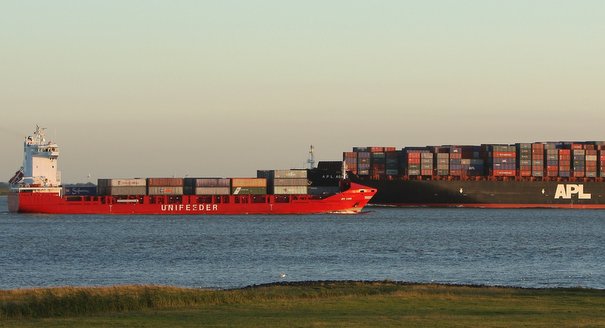
President Obama's recently nominated his assistant and deputy national security advisor for international economics to the position of U.S. trade representative. Given the dynamic trade environment, what will be the implications?
Source: Inter-American Dialogues
Uri Dadush, senior associate and director of the International Economics Program at the Carnegie Endowment for International Peace:
"There is little doubt that Froman is qualified for the job. He is a lawyer who has been at the center of this administration's international economic diplomacy and also worked in similar strategic support roles in the Clinton administration. He is in many ways the architect of the Obama administration's G-20 and international trade strategies. Trade partners of the United States will also see Froman as someone who has the influence to deliver on deals, if anyone can. Froman has a very tough task ahead of him, in part because he and the president have raised expectations to the sky about what American trade policy can achieve, including closing on the TPP by the end of 2013, concluding TTIP before the end of Obama's second term and also providing a big boost to American exports. This stands in stark contrast to the neglect of trade during Obama's first term. Furthermore, various parties expect the new USTR to deliver on trade facilitation at the coming Bali meeting and to make real progress on so-called 'plurilateral' agreements in services and on information technology under the aegis of the WTO. Taken together, these represent an impossibly ambitious set of agendas, especially given the lack of authority to fast track trade agreements through Congress. The persistence of the sovereign debt and currency crisis in Europe will not help either. If Froman could close on the TPP and also achieve a concrete result at Bali or its aftermath that would recover some of the WTO's lost credibility, that would be enough to place him among the more successful USTRs of recent times. Largely unnoticed, America's new trade policy, based on the TPP and TTIP mega-regional deals, represents a huge departure from the focus on multilateral deals of the last 25 years. Therefore, Froman's challenge will be to make progress on deeper and more comprehensive trade disciplines through the mega-regionals, but also bring China and other countries along in both regional discussions and at the WTO."

Former Senior Associate, International Economics Program
Dadush was a senior associate at the Carnegie Endowment for International Peace. He focuses on trends in the global economy and is currently tracking developments in the eurozone crisis.
Recent Work
Uri Dadush
Uri Dadush
Carnegie India does not take institutional positions on public policy issues; the views represented herein are those of the author(s) and do not necessarily reflect the views of Carnegie, its staff, or its trustees.

How is AI reshaping space security, creating governance challenges, and where does international diplomacy stand today?


Tejas Bharadwaj, Almudena Azcárate Ortega

The U.S.–India semiconductor cooperation story is well-stocked with top-level strategic intent. What remains unresolved, however, are some underlying challenges that will determine whether the cooperation actually functions. Three such friction points stand out.

Shruti Mittal

On March 10, 2026, India’s Union Cabinet approved amendments to Press Note 3, a regulation that mandated government approval on all foreign direct investment (FDI) from countries sharing a land border with India. This amendment raises questions primarily about whether its stated benefits will materialize and if the risks have been adequately weighed. This piece will address the same.

Konark Bhandari
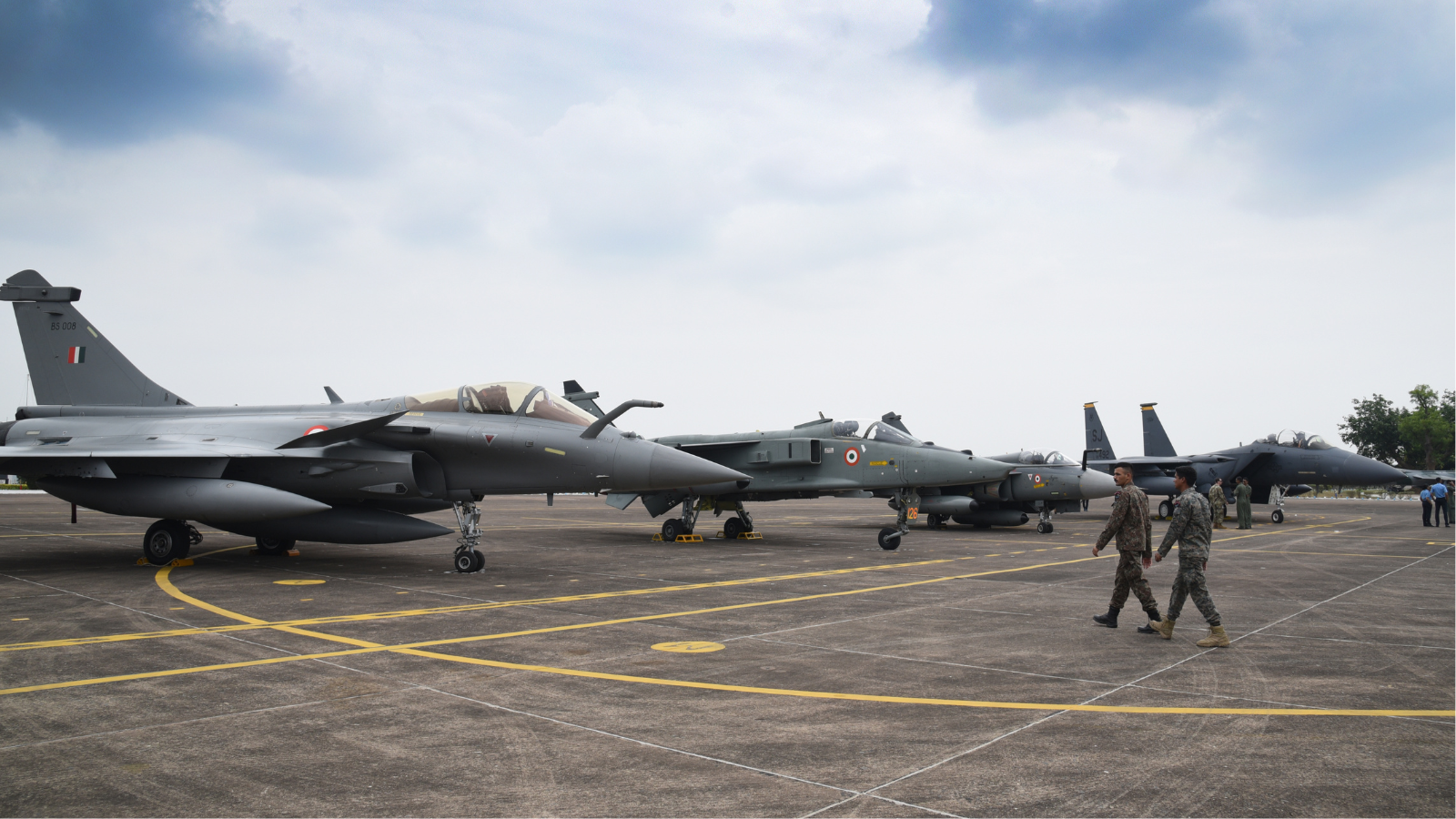
India and the United States are close to concluding a Reciprocal Defense Procurement Agreement (RDPA) that will allow firms from the two countries to sell to each other’s defense establishments more easily. While this may not remedy the specific grievances both sides may have regarding larger bilateral issues, an RDPA could restore some momentum, following the trade deal announcement.
Konark Bhandari

On the last day of the India AI Impact Summit, India signed Pax Silica, a U.S.-led declaration seemingly focused on semiconductors. While India’s accession to the same was not entirely unforeseen, becoming a signatory nation this quickly was not on the cards either.
Konark Bhandari