

Research
- +5
Alper Coşkun, Fatih Ceylan, Tacan İldem, …
{
  "authors": [
    "Sinan Ülgen"
  ],
  "type": "legacyinthemedia",
  "centerAffiliationAll": "",
  "centers": [
    "Carnegie Endowment for International Peace",
    "Carnegie Europe",
    "Malcolm H. Kerr Carnegie Middle East Center"
  ],
  "collections": [
    "Turkey’s Transformation",
    "Europe’s Southern Neighborhood"
  ],
  "englishNewsletterAll": "",
  "nonEnglishNewsletterAll": "",
  "primaryCenter": "Carnegie Europe",
  "programAffiliation": "",
  "programs": [],
  "projects": [],
  "regions": [
    "Middle East",
    "Europe",
    "Türkiye",
    "Levant",
    "Syria"
  ],
  "topics": [
    "Security",
    "Military"
  ]
}
Source: Getty
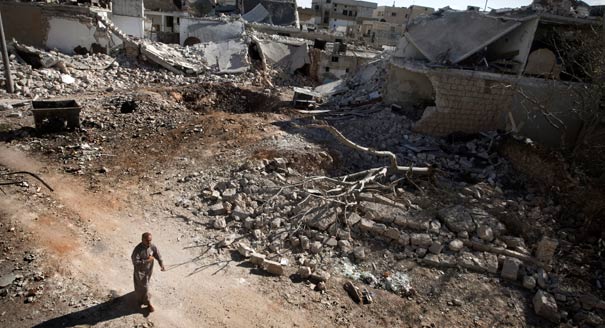
There are serious concerns in Ankara that Turkey’s security could be put at risk by a U.S.-led strike that is too limited in scope.
Source: CNN GPS
Democracy can get in the way of a good war in the Middle East, a reality underscored by the diminishing U.S. public support for intervention in Syria. But the ongoing discussions in Washington over how to respond to Syria’s alleged use of chemical weapons aren’t just being watched closely in Washington and Damascus. In Turkey – Syria’s neighbor and in the vanguard of the struggle against the al-Assad regime – the outcome of deliberations on an attack are critical. Indeed, while the West looks increasingly wary of military action, there are serious concerns in Ankara that Turkey’s security could be put at risk by a U.S.-led strike that is too limited in scope.
Turkey has diligently defended the idea of regime change in Syria prior to the alleged chemical weapons attack. Having rightfully desisted from a unilateral intervention, Turkey has focused its efforts on strengthening the opposition.

Senior Fellow, Carnegie Europe
Sinan Ülgen is a senior fellow at Carnegie Europe in Brussels, where his research focuses on Turkish foreign policy, transatlantic relations, international trade, economic security, and digital policy.
Recent Work
Alper Coşkun, Fatih Ceylan, Tacan İldem, …

In any defense establishment, change is an ongoing process. However, despite the best of intentions, existing bureaucracies, bound by habit and years of socialization, have their limits in implementing transformative change.

Anit Mukherjee

After the chill in ties between 2020 and 2024 that brought India–China relations to their lowest point in several decades, the two countries have engaged each other afresh. This paper argues that there are predominantly four imperatives guiding India’s approach to China, and they exist in an order of priority.

Saheb Singh Chadha
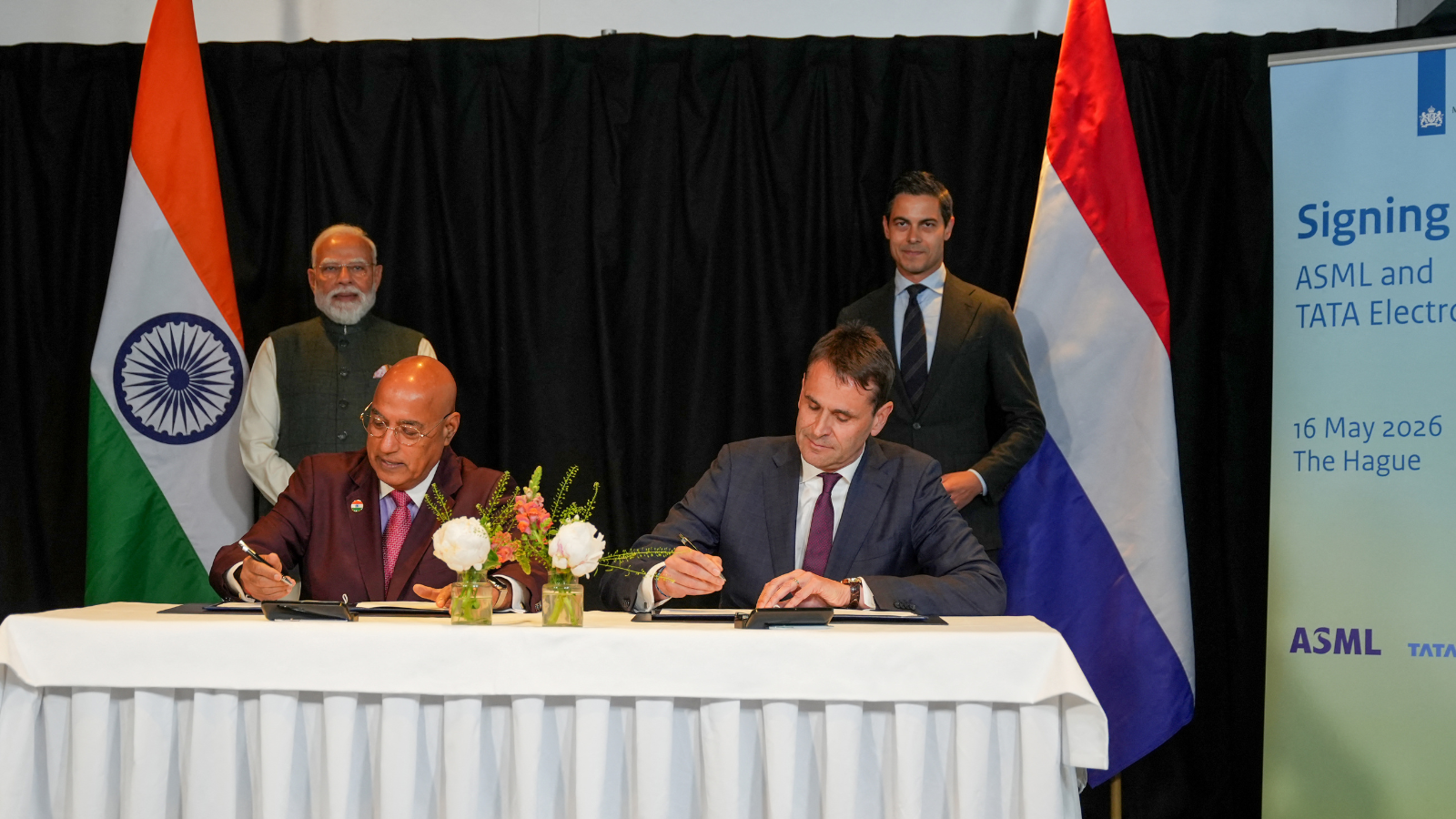
The ASML MoU with Tata Electronics is an indicator of how far the Indian semiconductor ecosystem has come. This ecosystem has been years in the making and represents real commercial logic.

Konark Bhandari

The India–EU Free Trade Agreement (FTA) is shaping up to be one of the most consequential trade negotiations, both economically and strategically. But, what’s in the agreement, what’s missing, and what will determine its success in the years ahead

Vrinda Sahai, Nicolas Köhler-Suzuki
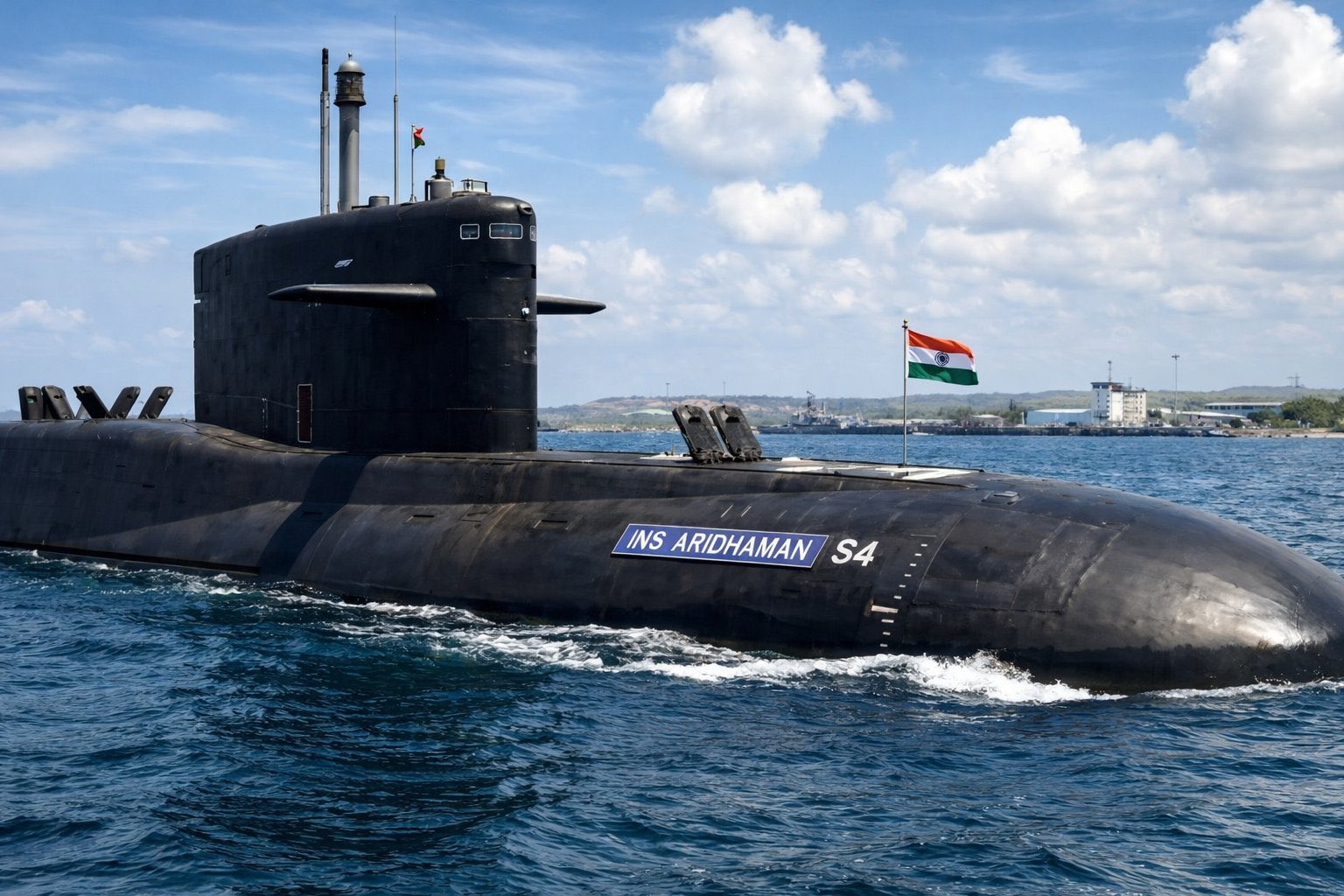
The induction of INS Aridhaman, which features several technological enhancements, now gives India the third nuclear ballistic missile submarine to ensure continuous at-sea deterrent.

Dinakar Peri