

Commentary
Michael Pettis
{
  "authors": [
    "Michael Pettis"
  ],
  "type": "legacyinthemedia",
  "centerAffiliationAll": "dc",
  "centers": [
    "Carnegie Endowment for International Peace"
  ],
  "collections": [],
  "englishNewsletterAll": "asia",
  "nonEnglishNewsletterAll": "",
  "primaryCenter": "Carnegie Endowment for International Peace",
  "programAffiliation": "AP",
  "programs": [
    "Asia"
  ],
  "projects": [],
  "regions": [
    "East Asia",
    "China"
  ],
  "topics": [
    "Economy"
  ]
}
Source: Getty
The reforms necessary to rebalance China’s economy require the political resolve to reallocate resources and benefits from state elites to households.
Source: CNBC
Carnegie’s Michael Pettis spoke on CNBC about what to expect from the Third Plenum of the 18th Chinese Communist Party Congress. Pettis explained that China has historically grown by pouring investment into manufacturing and construction, and that these investments have disproportionately benefited the elite. Going forward, China must reallocate resources away from the government elite and toward small- and medium-size private enterprises and Chinese households, he said.
Although most economists agree that this is the path that China must take with its economic reforms, this is really a political issue about the distribution of the benefits of growth, which Pettis said makes him pessimistic about how much progress can be made. When asked about the prospects for political reform, Pettis explained that historically only competitive democracies and centralized authoritarian regimes have successfully undertaken such sweeping structural reforms. As such, he argued that, since a rapid transition to democracy is not feasible, “a stable and orderly adjustment may require increasing concentration of power” in the hands of President Xi Jinping and his allies.

Nonresident Senior Fellow, Carnegie China
Michael Pettis is a nonresident senior fellow at the Carnegie Endowment for International Peace. An expert on China’s economy, Pettis is professor of finance at Peking University’s Guanghua School of Management, where he specializes in Chinese financial markets.
Recent Work
Michael Pettis
Michael Pettis
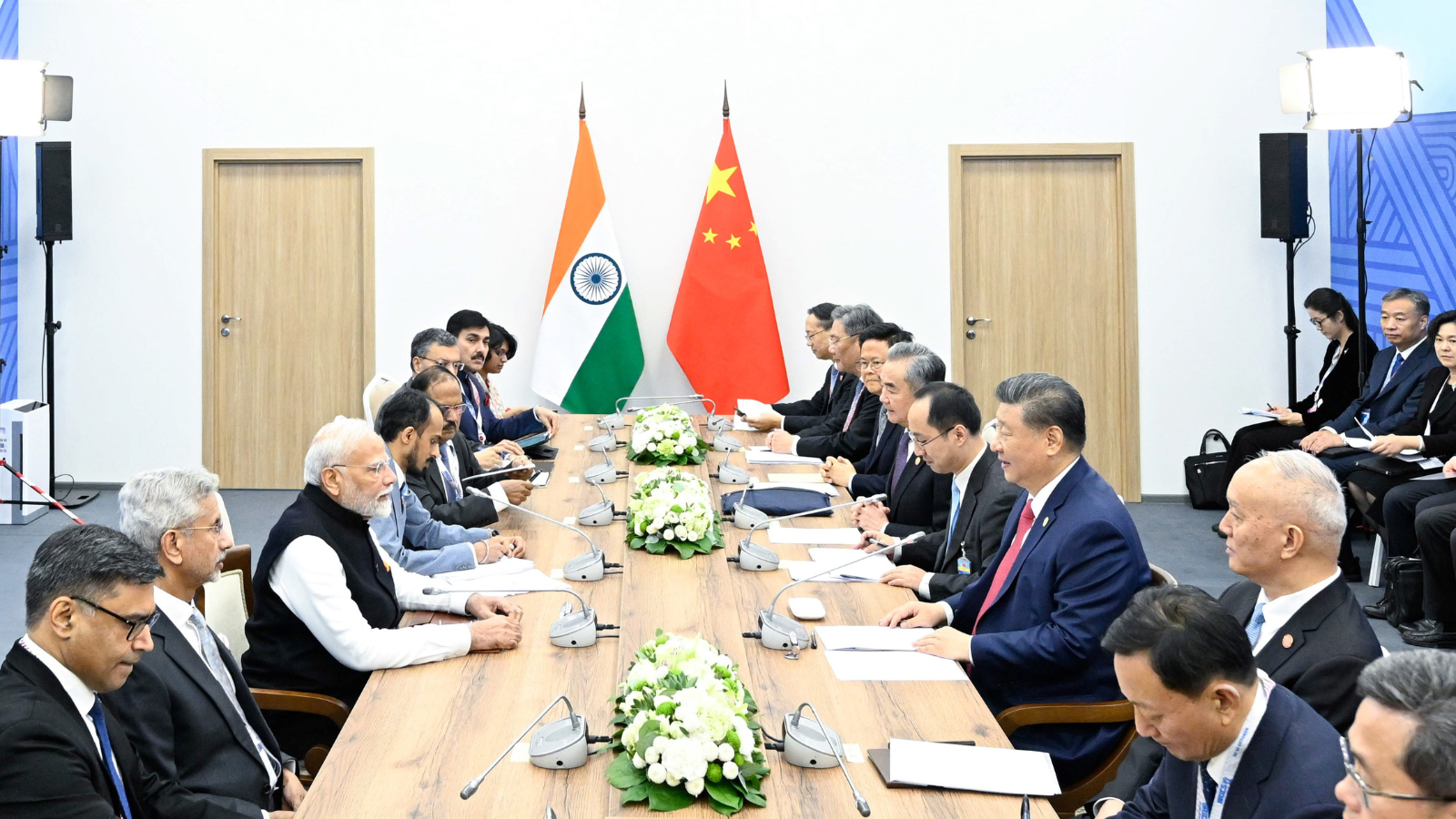
After the chill in ties between 2020 and 2024 that brought India–China relations to their lowest point in several decades, the two countries have engaged each other afresh. This paper argues that there are predominantly four imperatives guiding India’s approach to China, and they exist in an order of priority.

Saheb Singh Chadha

This piece argues that India’s central challenge is not managing a single flashpoint but resolving the underlying tension between expansion and institutional coherency of the BRICS grouping.

Vrinda Sahai
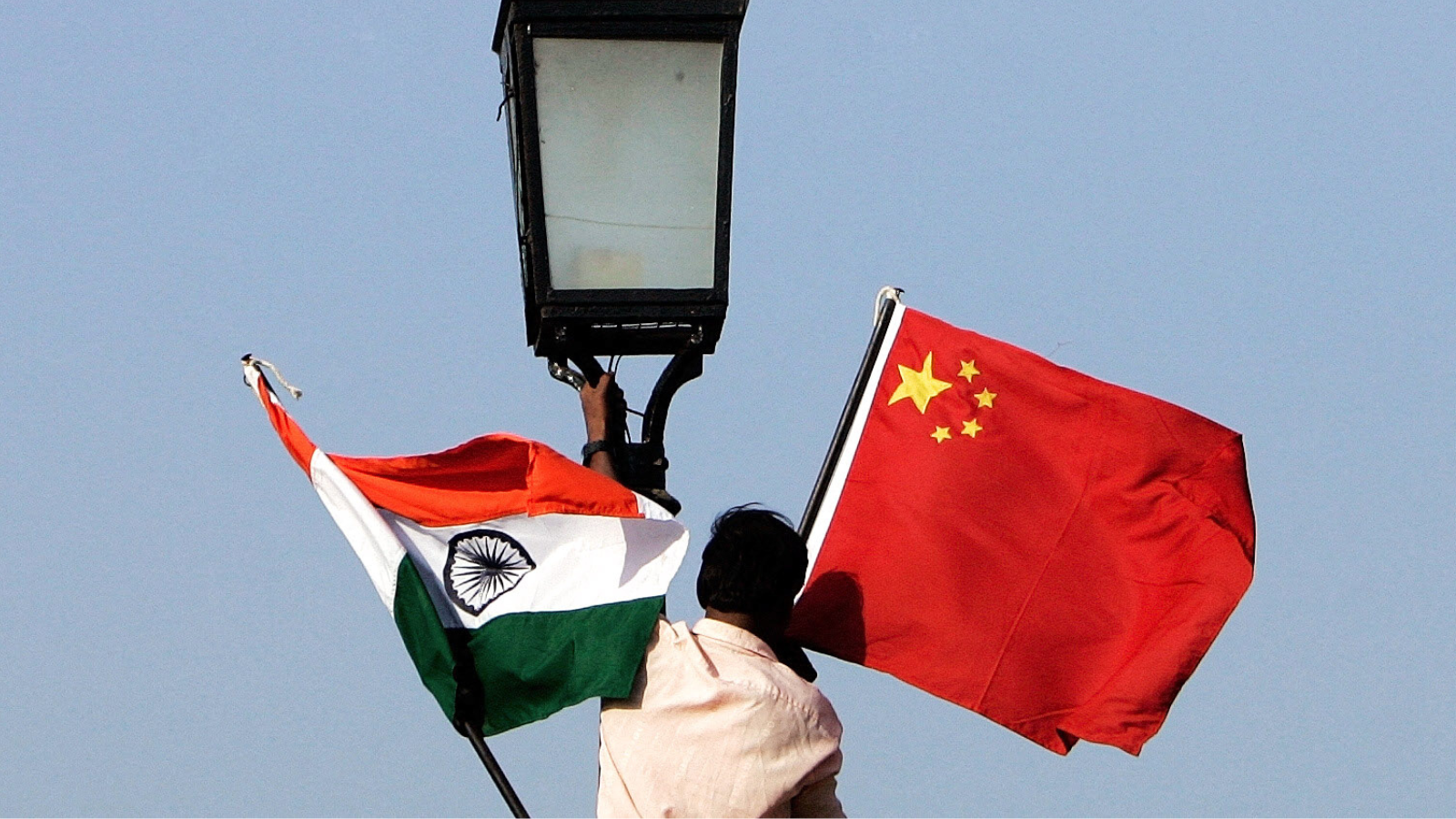
On March 10, 2026, India’s Union Cabinet approved amendments to Press Note 3, a regulation that mandated government approval on all foreign direct investment (FDI) from countries sharing a land border with India. This amendment raises questions primarily about whether its stated benefits will materialize and if the risks have been adequately weighed. This piece will address the same.

Konark Bhandari

This piece examines India’s response to U.S. sanctions and tariffs, specifically assessing the immediate market consequences, such as alterations in import costs, and the broader strategic implications for India’s energy security and foreign policy orientation.
Vrinda Sahai

This paper examines the evolution of India-China economic ties from 2005 to 2025. It explores the impact of global events, bilateral political ties, and domestic policies on distinct spheres of the economic relationship.

Santosh Pai