

Article
Wang Tao
{
  "authors": [
    "Wang Tao"
  ],
  "type": "legacyinthemedia",
  "centerAffiliationAll": "",
  "centers": [
    "Carnegie Endowment for International Peace",
    "Carnegie China"
  ],
  "collections": [],
  "englishNewsletterAll": "",
  "nonEnglishNewsletterAll": "",
  "primaryCenter": "Carnegie China",
  "programAffiliation": "",
  "programs": [],
  "projects": [],
  "regions": [
    "East Asia",
    "China"
  ],
  "topics": [
    "Climate Change"
  ]
}
Source: Getty
To solve the problem of air pollution in the long term, China must invest in electric vehicles and renewable energy sources.
Source: CCTV News
Speaking to CCTV English, Carnegie-Tsinghua’s Wang Tao discussed the importance of electric vehicles and renewable energy sources in curbing the problem of air pollution as well as the longer term problem of climate change. Wang emphasized that any policy seeking to boost use of electric vehicles must take note of travel demands. While electric vehicles can play a major role in curbing emissions, increasing the number of electric vehicles on the roads too quickly would lead to traffic congestion and higher emissions levels overall, he warned. Wang added that authorities must create more incentives to offset the high cost of purchasing an electric vehicle and build the infrastructure necessary to their use. He concluded by saying that more efforts to develop renewable energy sources were required in order to combat both air pollution and the long-term problem of climate change.

Former Nonresident Scholar, Carnegie-Tsinghua Center for Global Policy
Wang Tao was a nonresident scholar in the Energy and Climate Program based at the Carnegie–Tsinghua Center for Global Policy.
Recent Work
Wang Tao
Wang Tao, Yang Yifang
Carnegie India does not take institutional positions on public policy issues; the views represented herein are those of the author(s) and do not necessarily reflect the views of Carnegie, its staff, or its trustees.
This paper examines the evolution of India-China economic ties from 2005 to 2025. It explores the impact of global events, bilateral political ties, and domestic policies on distinct spheres of the economic relationship.

Santosh Pai
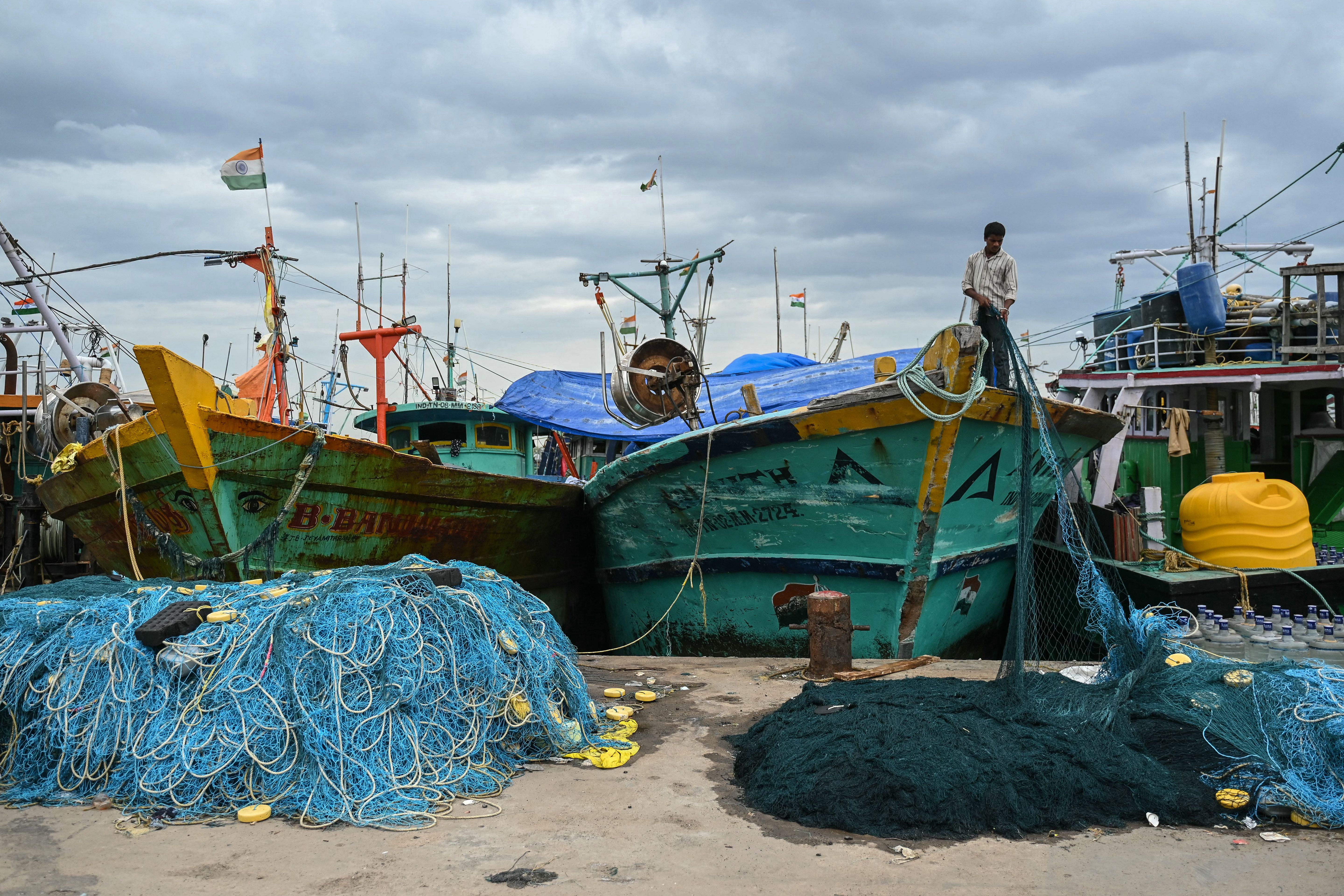
This article examines the scale and impact of Chinese IUU fishing operations globally and identifies the nature of the challenge posed by IUU fishing in the Indian Ocean Region (IOR). It also investigates why existing maritime law and international frameworks have struggled to address this growing threat.


Ajay Kumar, Charukeshi Bhatt

This compendium brings together three essays by scholars who participated in Carnegie India's Security Studies Dialogue in 2024, each examining a different aspect of China’s policies. Drawing on their expertise and research, the authors offer fresh perspectives on key geopolitical challenges.
Vijay Gokhale, Suyash Desai, Amit Kumar, …

This commentary explores the likely actions of the Trump administration and driving forces on issues of deregulation, the United States’ leadership in AI, national security, and global engagements on AI safety.


Shatakratu Sahu, Amlan Mohanty
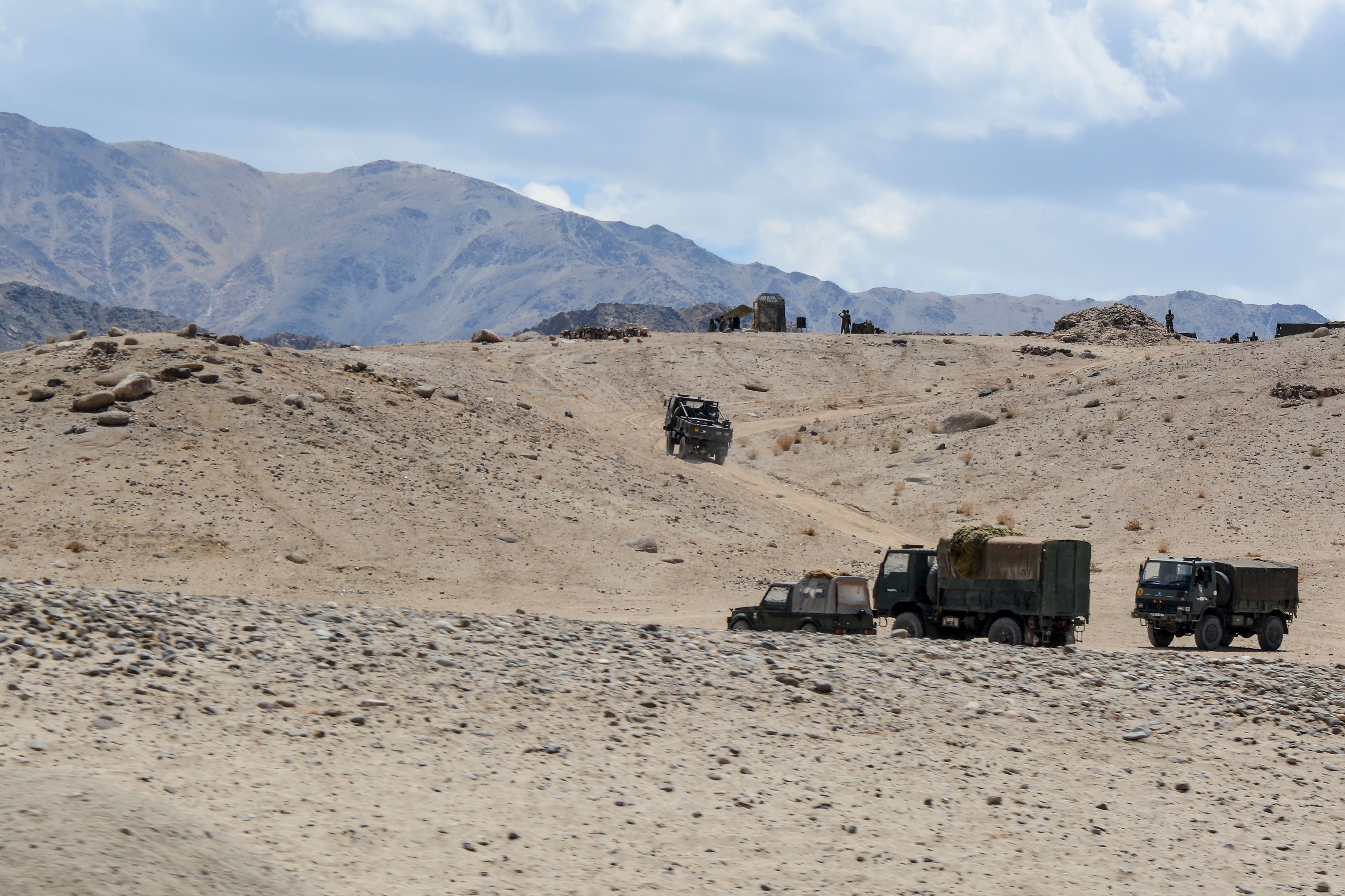
India and China have been engaged in a standoff at their border in eastern Ladakh since April–May 2020. Over 100,000 troops remain deployed on both sides, and rebuilding political trust will take time.

Saheb Singh Chadha