

Paper
Richard Youngs, Thomas Carothers
{
  "authors": [
    "Richard Youngs"
  ],
  "type": "legacyinthemedia",
  "centerAffiliationAll": "dc",
  "centers": [
    "Carnegie Endowment for International Peace",
    "Carnegie Europe"
  ],
  "collections": [
    "Democracy and Governance"
  ],
  "englishNewsletterAll": "democracy",
  "nonEnglishNewsletterAll": "",
  "primaryCenter": "Carnegie Europe",
  "programAffiliation": "DCG",
  "programs": [
    "Democracy, Conflict, and Governance",
    "Europe"
  ],
  "projects": [],
  "regions": [
    "Europe",
    "Western Europe",
    "Iran"
  ],
  "topics": [
    "EU",
    "Democracy"
  ]
}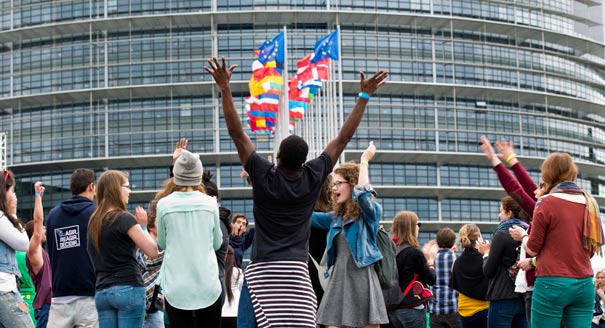
Source: Getty
The European elections should not be seen as a definitive guide to the state of European democracy. They do not speak to the root causes of the EU’s democratic malaise.
Source: EUobserver
The European elections should not be seen as a weather vane for EU democracy. They do not speak to the drivers of euroscepticism or to the union’s democratic malaise.
The European Parliament (EP) elections are widely seen as a turning point for EU democracy.
On the one hand, they have sparked a vibrant debate on the possibility of a European Commission President selected from the victorious EP majority. On the other hand, the rise of eurosceptic parties reflects heightened popular dissatisfaction and threatens to complicate EU decision-making.
The positive take is that the elections finally accord citizens a voice after several years of bruising economic crisis, during which governments and EU institutions forced through emergency crisis management measures with little public consultation. Many see the elections in terms of democracy catching up with technocracy.The negative view is that the elections show that restoring democratic legitimacy is increasingly equated with the eurosceptic agenda. The eurosceptic camp has played the democracy card to greater effect. It has succeeded in convincing many citizens that the “democracy imperative” vindicates its ideas.
Looking more deeply, both the positive and negative interpretations are overstated. The elections should not be seen as the definitive weather vane for the state of European democracy. They do not speak to the root causes of the EU’s democratic malaise.
The risk is that the need to close the democratic gap will slip down the list of EU priorities after the electoral buzz subsides. Attention is likely to turn to dividing up top EU posts through a familiar style of horse-trading. And the concern will lie with combatting a newly empowered euroscepticism — in a way that is seen as somehow separate from the democracy agenda.
However, while the worst of the eurozone crisis may have passed, the mechanisms put in place to ensure sustained financial prudence entail a long-term attenuation of democratic accountability.
The EP elections have generated much focus on the contrasting fortunes of different parties and candidates but in themselves do little to redress this deeply entrenched problem.
Many complain that the commission is already too cosy with the EP, in a tandem that has increased the degree of opacity vis-a-vis the EU Council; if this is the case, choosing the commission President from the EP majority is hardly the democratic panacea it is routinely held to be.
Surveys repeatedly show that citizens’ trust in the EU mirrors their trust in national governments. EU-level legitimacy must be built from better-quality national and local democracy; it cannot be achieved by leapfrogging national democracy.
In this vein, the widely advocated alternative to EP powers is to elevate the scrutiny role of national parliaments. This is a sensible and necessary way forward. But, of course, national parliaments have themselves lost legitimacy.
National parliaments have begun to monitor and control decisions taken in Brussels. But this is also a limited part of the equation and does not address the need for more effective and innovative forms of civic accountability and representation.
Most proposals suggested to date for legitimising the EU are negative; they are about controlling or limiting what comes out of Brussels, rather than more positively inspiring citizens.
Future integration must be predicated centrally upon the empowerment of citizens. This reflects the broader and most essential point: Europe is suffering a malaise of democracy’s core essence not of a particular configuration of EU institutional procedures.
The standard discourse, even of pro-Europeans, is that the future model of integration must be based on the principles of flexibility and subsidiarity. The much-repeated rhetoric is now that “the EU must be big on the big things, small on the small things” (a favourite of European Commission President Jose Manuel Barroso) and that we need “not more but better Europe” (touted by Italian Prime Minister Matteo Renzi, amongst others).
The nub lies in the question of what flexibility means in practice. The principle of subsidiarity — taking decisions at the level closest to citizens that is appropriate — has been present in EU politics for 20 years and has not prevented a worsening of the democratic shortfall.
Flexibility must mean democratic flexibility.
Instead of being a concept for technocratic elites to divide competences among European, national and regional levels, subsidiarity must be a device for fostering democratic debate over the issues in which citizens wish to share responsibilities across borders. It must be a means not of simply undoing existing cooperation but of forging a more democratic form of managing unavoidable interdependence between member states.
Eurosceptics may have appropriated the democracy discourse, but their view that national isolation is the way to recover accountability is deeply flawed.
It would leave nation-states vulnerable to the influence of deepening interdependence with even less say over the constraints hitting national economies from outside. Interdependence cannot be wished away; the challenge is to ensure that the management of interdependence becomes, at root, a democratic project.
The EP elections do not appreciably move the EU forward from its old style functional to democratic interdependence. Technocratic subsidiarity will not assuage growing popular scepticism towards the EU. Nor will a form of flexibility understood only as ad hoc opt-outs from select policies for particular member states.
The challenge is to develop a template for flexibility that enables better local accountability over the EU and is not conflated with Eurosceptic doubts. There is a risk currently that more democratic legitimacy and flexibility are seen as synonymous with less integration — with, that is, a partial unravelling of current levels of policy co-ordination.
If this is not to be the case, those supportive of the EU need to develop their own effective template for instilling a greater sense of democratic legitimacy. This will not be done through the current tendency simply to dismiss the rise of populist Eurosceptic parties as protest-vote epiphenomena, sprinkle this with cosmetic calls to “listen to European citizens” and then plough ahead with the old models of elitist and managerial integration.
Contrary to much current comment, it is not the rise of Eurosceptic parties that represents the main failing of EU democracy. After the EP elections, the focus must turn to the deeper drivers of the EU’s democratic dilemma.

Senior Fellow, Democracy, Conflict, and Governance Program
Richard Youngs is a senior fellow in the Democracy, Conflict, and Governance Program, based at Carnegie Europe. He works on EU foreign policy and on issues of international democracy.
Recent Work

Richard Youngs, Thomas Carothers
Richard Youngs
Carnegie India does not take institutional positions on public policy issues; the views represented herein are those of the author(s) and do not necessarily reflect the views of Carnegie, its staff, or its trustees.
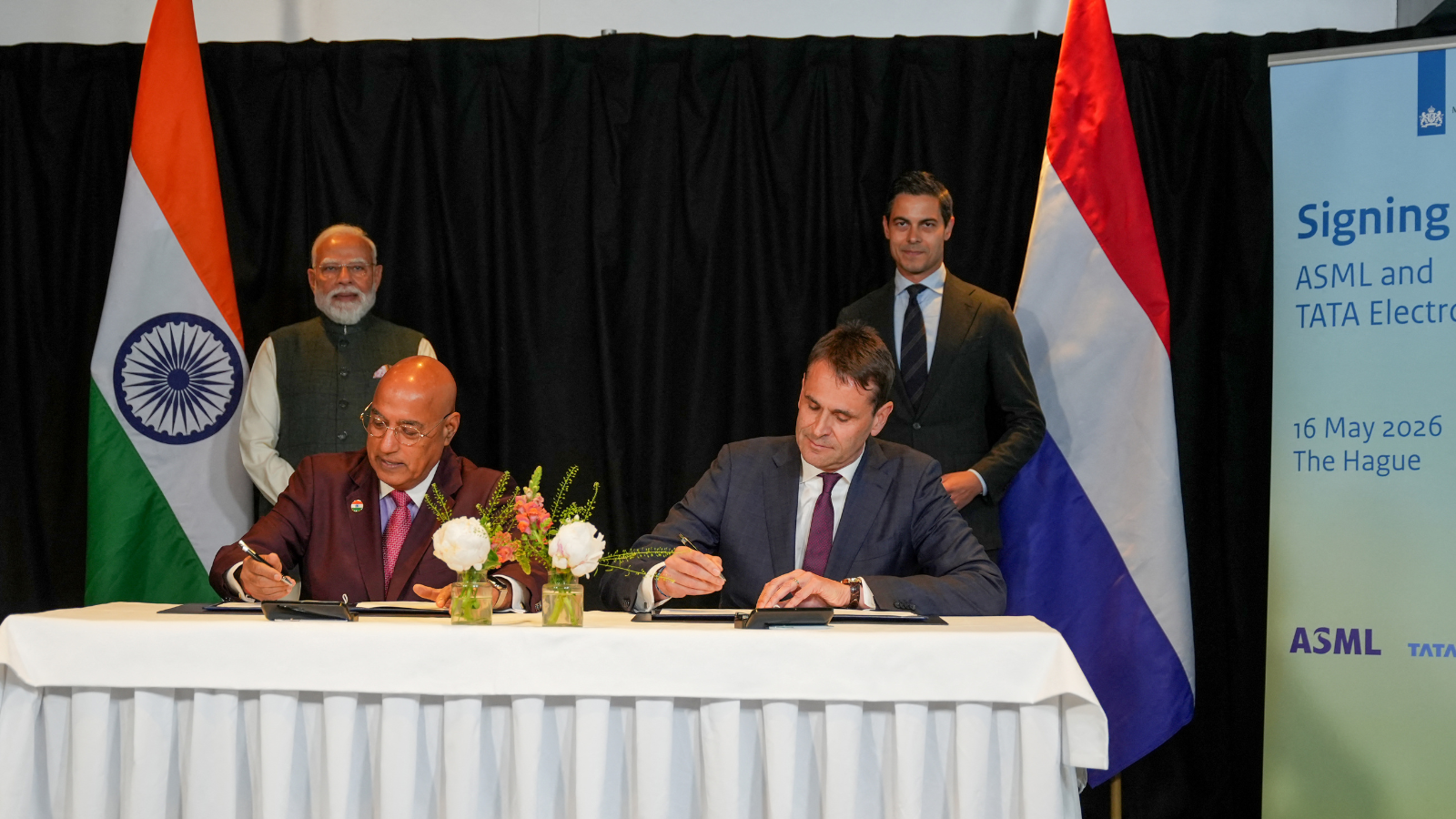
The ASML MoU with Tata Electronics is an indicator of how far the Indian semiconductor ecosystem has come. This ecosystem has been years in the making and represents real commercial logic.

Konark Bhandari

The India–EU Free Trade Agreement (FTA) is shaping up to be one of the most consequential trade negotiations, both economically and strategically. But, what’s in the agreement, what’s missing, and what will determine its success in the years ahead

Vrinda Sahai, Nicolas Köhler-Suzuki
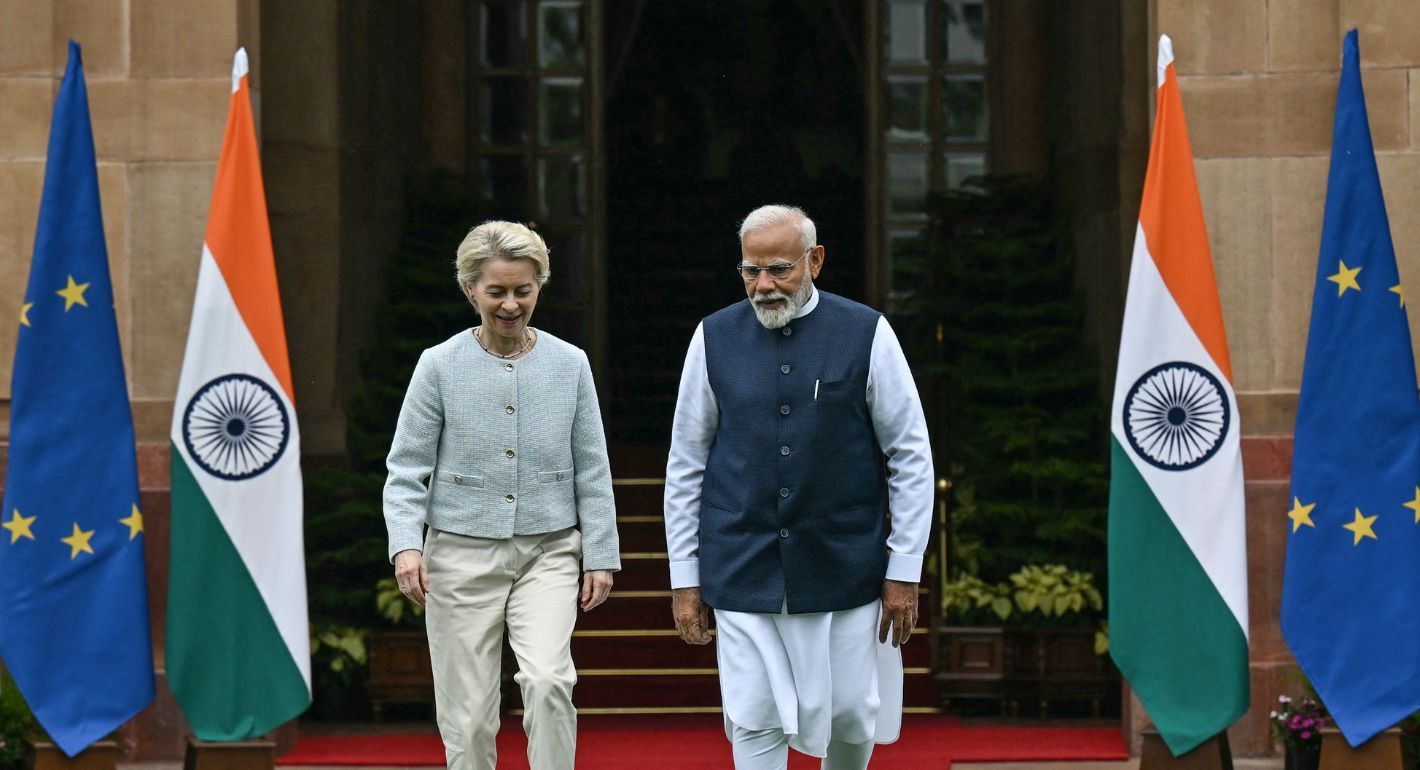
This article argues that the geopolitical circumstances have never been more conducive, not merely for the early conclusion of the free trade agreement (FTA) between India and the EU, but also for crafting a substantive and comprehensive strategic partnership.
Mohan Kumar
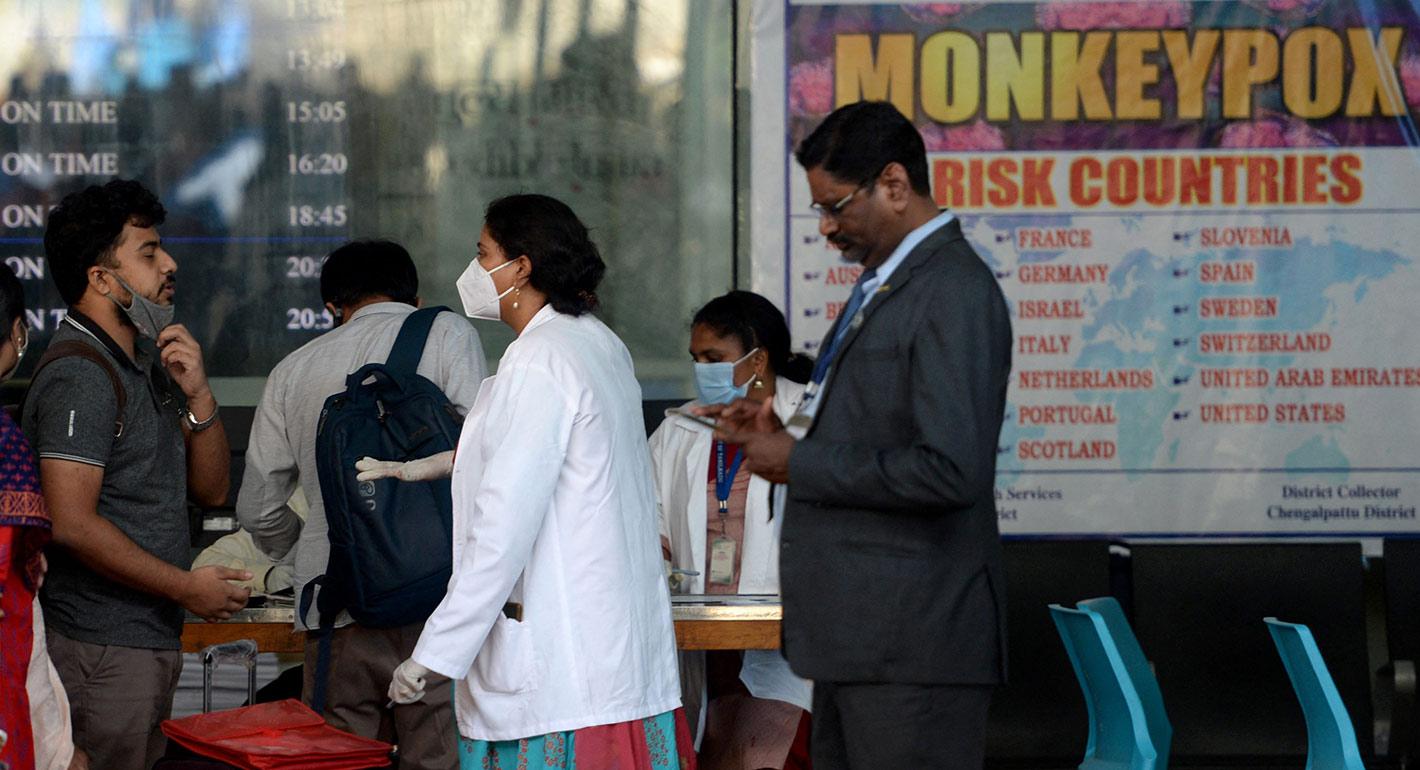
With monkeypox being declared a global health emergency, the WHO approach is an innovative and effective way to curb outbreaks of zoonotic diseases.

Shruti Sharma
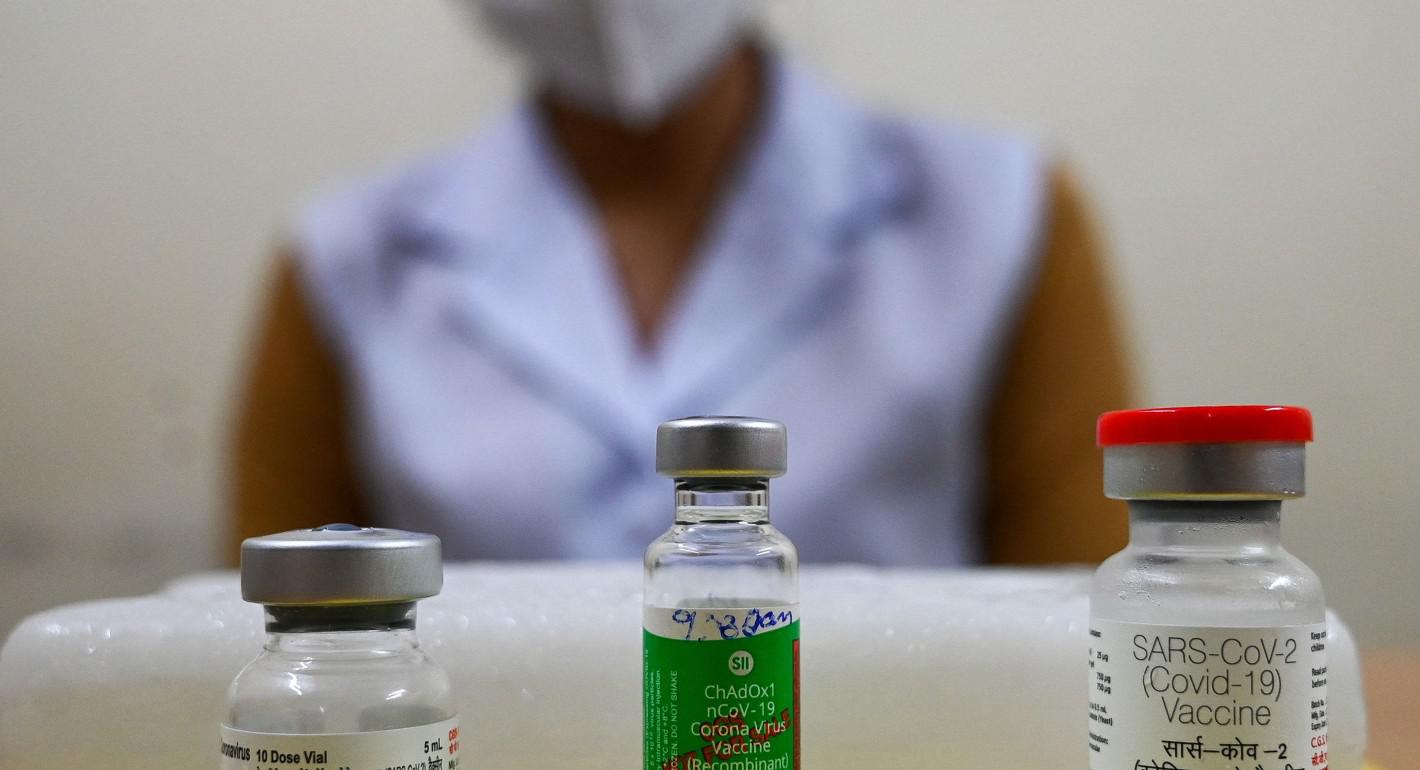
In India, biotechnology has played an important role in helping stakeholders in academia, industry, and government develop new pandemic-related technology, from test kits to respiratory devices. But these biotechnology advancements can go further to strengthen India’s public health capacity.
Shruti Sharma