

In The Media
Lilia Shevtsova
{
  "authors": [
    "Lilia Shevtsova"
  ],
  "type": "commentary",
  "centerAffiliationAll": "",
  "centers": [
    "Carnegie Endowment for International Peace",
    "Carnegie Russia Eurasia Center"
  ],
  "collections": [],
  "englishNewsletterAll": "",
  "nonEnglishNewsletterAll": "",
  "primaryCenter": "Carnegie Russia Eurasia Center",
  "programAffiliation": "",
  "programs": [],
  "projects": [],
  "regions": [
    "Russia"
  ],
  "topics": [
    "Political Reform"
  ]
}
Source: Getty
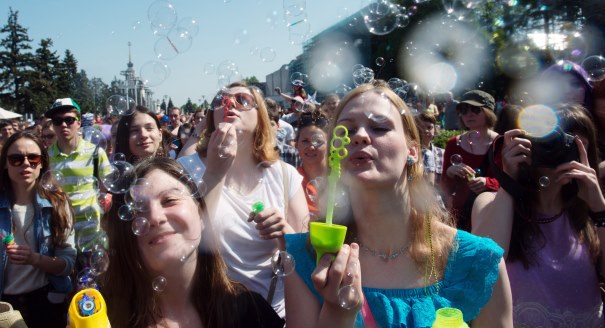
The worse the situation becomes in Russia, the better it looks in the eye of the people. This can be explained by mass self-deception and people’s desire to believe in a fairy tale. However, Russia is approaching a moment of truth when people will realize how serious the country’s problems are.
Russia has seen nothing of the kind in the last twenty-five years. I am not talking about Putin’s stunning 82 percent approval rating. I mean the incredible optimism of the Russian public. Even those dissatisfied with their lot have suddenly experienced a rush of happiness and optimism. While the country has rolled back all its reforms, 58 percent of the respondents to a Levada Center poll believe that reforms continue (only 27 percent think otherwise). As authoritarianism gains new strength and political life becomes less transparent, 57 percent of those polled say it isn’t so, claiming that Russian political life is open and government policies are widely discussed (only 33 percent express their skepticism). The state infringes on human rights, but only 38 percent see it this way, while 48 percent consider their country democratic.
Russia’s current military-patriotic high is much stronger and will be harder to overcome. Nevertheless, Russia will have to do it. People will be forced to see how serious the problems the country faces are. This will be the moment of truth, which Russia is fast approaching.
Former Senior Associate, Russian Domestic Politics and Political Institutions Program, Moscow Center
Shevtsova chaired the Russian Domestic Politics and Political Institutions Program at the Carnegie Moscow Center, dividing her time between Carnegie’s offices in Washington, DC, and Moscow. She had been with Carnegie since 1995.
Recent Work
Lilia Shevtsova
Lilia Shevtsova
Carnegie India does not take institutional positions on public policy issues; the views represented herein are those of the author(s) and do not necessarily reflect the views of Carnegie, its staff, or its trustees.

This piece argues that India’s central challenge is not managing a single flashpoint but resolving the underlying tension between expansion and institutional coherency of the BRICS grouping.

Vrinda Sahai
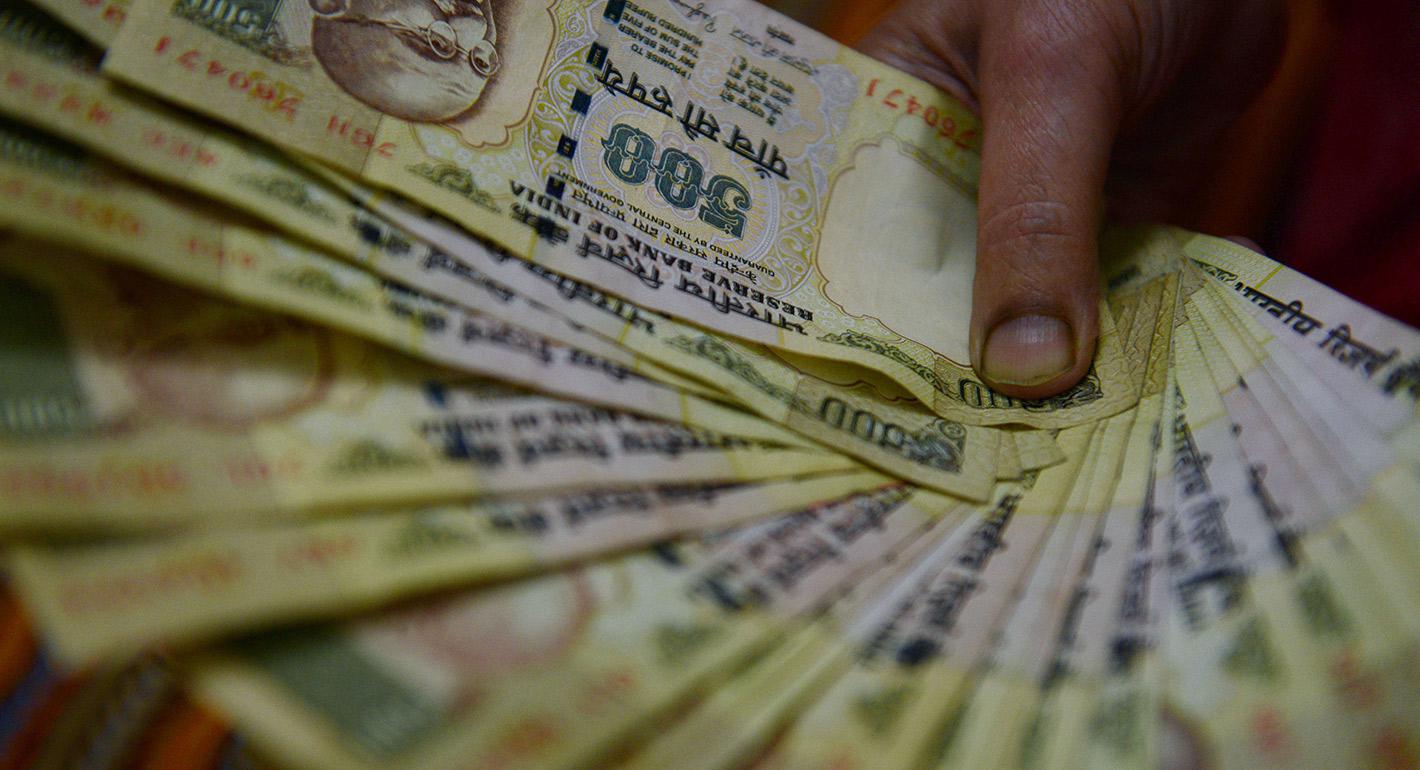
As India’s economy recovers from the coronavirus pandemic, Indian businesses need efficient financial structures to regain their ground. Key reforms to India’s Insolvency and Bankruptcy Code could fill these gaps.

Anirudh Burman

Access to cross-border data is an integral piece of the law enforcement puzzle. India is well placed to lead the discussions on international data agreements subject to undertaking necessary surveillance reforms.

Smriti Parsheera, Prateek Jha
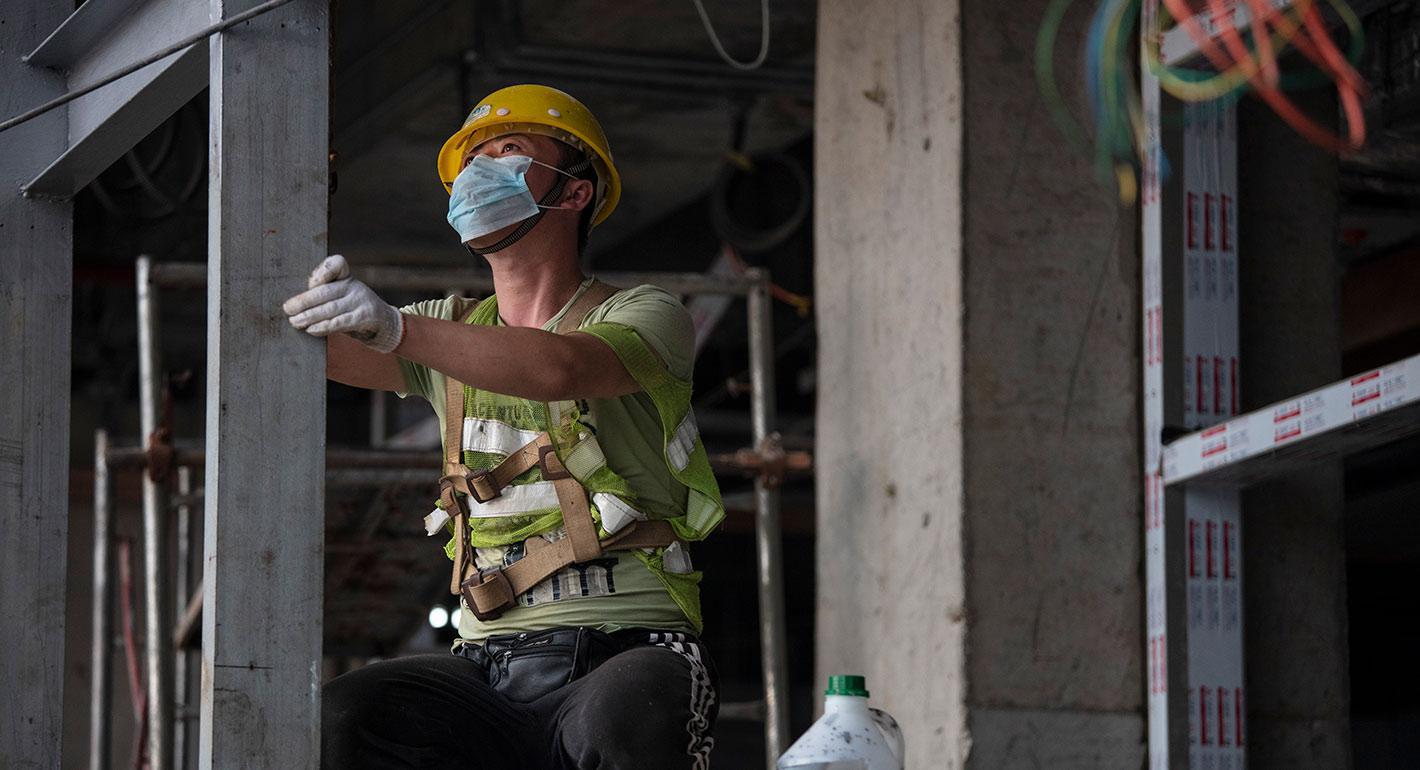
After the coronavirus pandemic wanes, how will China’s reorientation of the Belt and Road Initiative to address global health concerns influence its relationships with South Asian countries?
Deep Pal, Rahul Bhatia
Early in the outbreak, government researchers forecast several high-risk scenarios that were downplayed or ignored in public messaging.
Gautam I. Menon