

Article
Wang Tao
{
  "authors": [
    "Wang Tao"
  ],
  "type": "legacyinthemedia",
  "centerAffiliationAll": "",
  "centers": [
    "Carnegie Endowment for International Peace",
    "Carnegie China"
  ],
  "collections": [
    "U.S.-China Relations",
    "China’s Foreign Relations"
  ],
  "englishNewsletterAll": "",
  "nonEnglishNewsletterAll": "",
  "primaryCenter": "Carnegie China",
  "programAffiliation": "",
  "programs": [],
  "projects": [
    "Carnegie Oil Initiative"
  ],
  "regions": [],
  "topics": []
}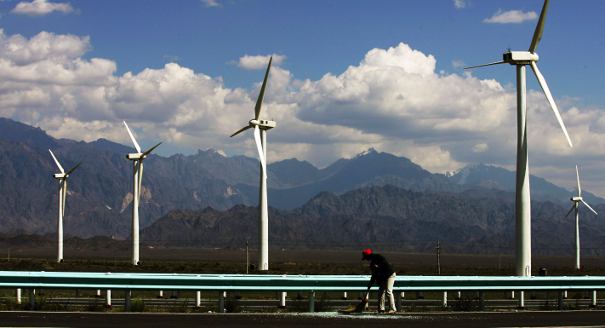
Source: Getty
Successful collaboration on energy and climate matters may hold the key to unlocking the tight knot in wider U.S.-China diplomatic relations.
Source: Diplomat
It is the best of times, it is the worst of times. This is a good description of the bilateral relationship between the United States and China right now.
Tensions in the South and East China Seas continue to grab headlines and intense competition between the U.S. and China are here to stay as the emerging and existing powers struggle to settle a new international order. But deeper collaboration between the world’s largest consumer and producer nations is also a necessity in a globalized world.
Collaboration on energy and climate issues is the ideal bridge between the two powers. While China is the world’s largest goods-exporting nation, excluding energy; the U.S. remains the largest consumer. Meanwhile, the U.S. is set to become the world’s largest oil producer by 2015 and China is the largest oil importer. These twin pairs of trade connections have the potential to change the previous one-way traffic, creating a new basis for the bilateral relationship.
At the recent U.S.-China Strategic and Economic Dialogue that took place in Beijing, nearly half of the 116 outcomes agreed were on issues related to energy, climate, and the environment. This indicates the depth of connections in this area and provides a strong example of cooperation.
China’s oil and gas import dependency is set to continue to increase, and as it does its energy supply concerns will play an increasingly important role in China’s foreign policy. Domestic shale gas was hoped to offer an alternative future, but as yet most of the shale gas pilots in China have not had success. As a result, China is eyeing the opportunity of importing shale gas and tight oil from the U.S. alongside technology cooperation in order to exploit resources at home. China has invested heavily in shale gas and oil resources, infrastructure, and business in North America, for example with CNOOC’s acquisition of the Canadian oil company Nexen for $15.1 billion in 2013.
Climate change is an area that should ultimately bring the two nations closer together even more than cooperation on energy. If the world’s two largest economies, and two most powerful nations, can’t come together to address this very real threat to human civilization, then what can they achieve together? The level of understanding between the U.S. and China has improved significantly since the Copenhagen Summit in 2009 when global leaders failed to deliver on a much-anticipated international climate deal, which many attributed to disagreement between the Washington and Beijing. Managed effectively, this new dynamic offers a more promising outlook for future climate negotiations, including the crucial Paris meeting in 2015 when nations will again gather to discuss an international climate deal once more.
This very real potential for greater collaboration exists because energy and climate policies can serve American interests, while at the same time helping the Chinese government to address some of its burning domestic concerns. Near the top of China’s agenda is the air pollution and environmental degradation being caused by its over-reliance on dirty and heavy industry for continued economic growth.
Reducing emissions from heavy duty trucks in China is one potential significant outcome from collaboration. Through collaboration in setting higher fuel standards in China and cleaner technology transfer, U.S. companies can help China tackle a major domestic problem, while at the same time enjoying an opening to the grand market in China. Similar benefits could also be seen in the newly added collaboration initiative in industrial boiler efficiency and fuel switch and the potential collaboration on green ports.
For real progress to be made there should be a strict joint focus on a few priority topics. This offers greater prospects for progress than taking on too many fronts simultaneously. These national initiatives can usefully be supplemented by similar strategies at the sub-national level. For example, IBM launched a collaboration initiative in July with the Beijing municipal government to help monitor and address air pollution.
A help in need is a help indeed. This is a simple truth that both governments seem to start to understand in the context of their bilateral relationship. Successful collaboration on energy and climate matters may hold the key to unlocking the tight knot in wider U.S.-China diplomatic relations.

Former Nonresident Scholar, Carnegie-Tsinghua Center for Global Policy
Wang Tao was a nonresident scholar in the Energy and Climate Program based at the Carnegie–Tsinghua Center for Global Policy.
Recent Work
Wang Tao
Wang Tao, Yang Yifang
Carnegie India does not take institutional positions on public policy issues; the views represented herein are those of the author(s) and do not necessarily reflect the views of Carnegie, its staff, or its trustees.
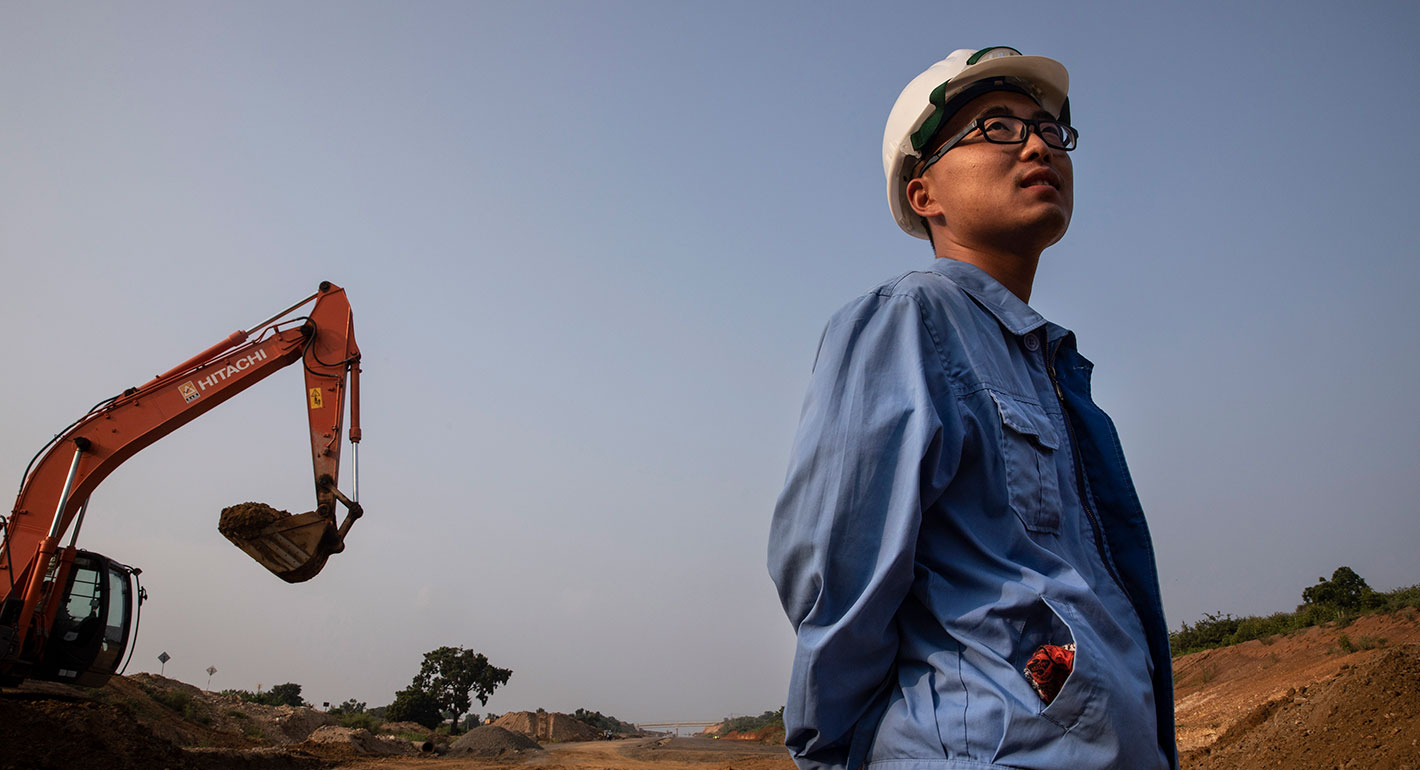
Pitched as a new Silk Road sweeping from Asia to Europe, China’s enormous Belt and Road Initiative is an ambitious, multinational infrastructure project. Experts from four Carnegie global centers explain other countries’ perspectives.


Paul Haenle, Dmitri Trenin, Alexander Gabuev, …
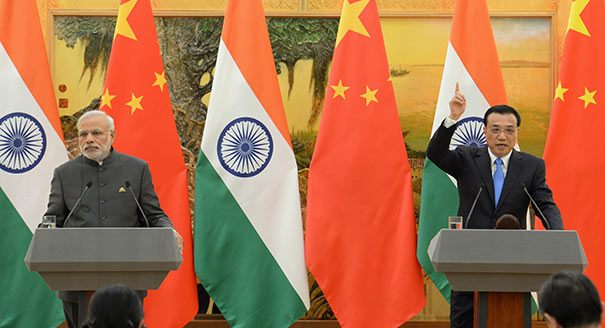
Without a return to genuine bilateralism that takes into account the interests of both parties, Beijing will find that the chasm with New Delhi continues to deepen.
C. Raja Mohan

The rise of China and the turbulence in U.S. domestic politics have created great disorder, but they have also opened up room for creative Indian diplomacy in Asia.
C. Raja Mohan
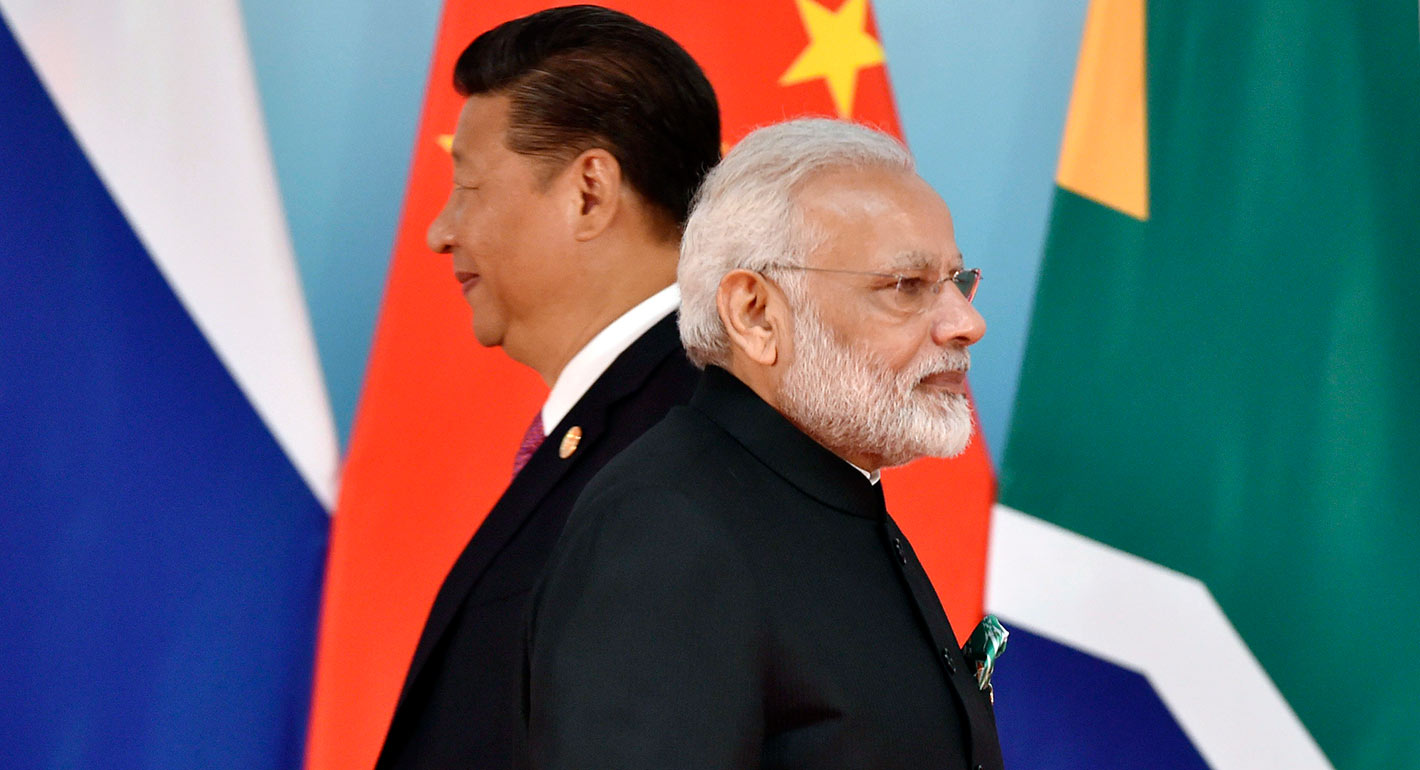
China’s rise poses a strategic challenge to India on multiple fronts. The best way for New Delhi to respond is to pursue a deeper partnership with the United States.

Rajesh Rajagopalan

New Delhi’s current challenge is not about undoing Beijing’s new economic weight in the region. It is about building on its own natural geo-economic advantages in the region.
C. Raja Mohan