

Article
Wang Tao
{
  "authors": [
    "Wang Tao"
  ],
  "type": "legacyinthemedia",
  "centerAffiliationAll": "",
  "centers": [
    "Carnegie Endowment for International Peace",
    "Carnegie China"
  ],
  "collections": [],
  "englishNewsletterAll": "",
  "nonEnglishNewsletterAll": "",
  "primaryCenter": "Carnegie China",
  "programAffiliation": "",
  "programs": [],
  "projects": [],
  "regions": [],
  "topics": []
}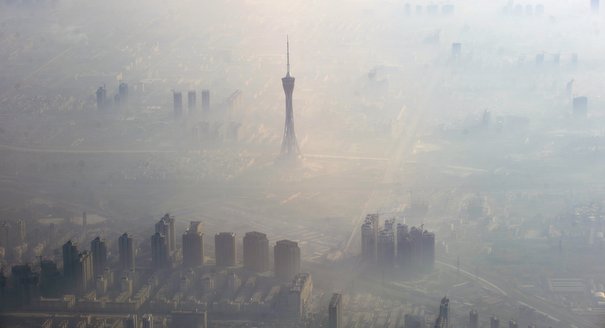
Source: Getty
To alleviate air pollution over the long term, Beijing must clearly communicate reasonable pollutant target-levels and empower local regulators to legally enforce them, even if it means lower GDP growth.
Source: CCTV
Carnegie–Tsinghua’s Wang Tao appeared on CCTV English’s China 24 to discuss a long-term strategy for addressing Beijing’s air pollution problem. Drawing lessons from London and Los Angeles’s environmental policies, he emphasized the importance of clear environmental standards and concrete enforcement mechanisms.
Wang explained how crucial it is for Beijing to communicate achievable pollutant-level standards, rather than overly ambitious ones, to ensure that regulations are credible and therefore more likely to be observed. He stressed that a sustainable, long-term approach that builds up Beijing’s procedural and institutional capacity will produce better results than stop-gap measures.
Wang also noted that addressing pollution will be an ongoing balancing act, because policymakers face trade-offs in imposing more restrictive regulations on economically productive heavy industries. Though China has granted greater enforcement powers to local environmental protection agencies starting next year, Wang maintained that the success of these tools ultimately depends on local government’s willingness to cede GDP growth for environmental sustainability.
This video interview was originally published on CCTV English’s China 24.
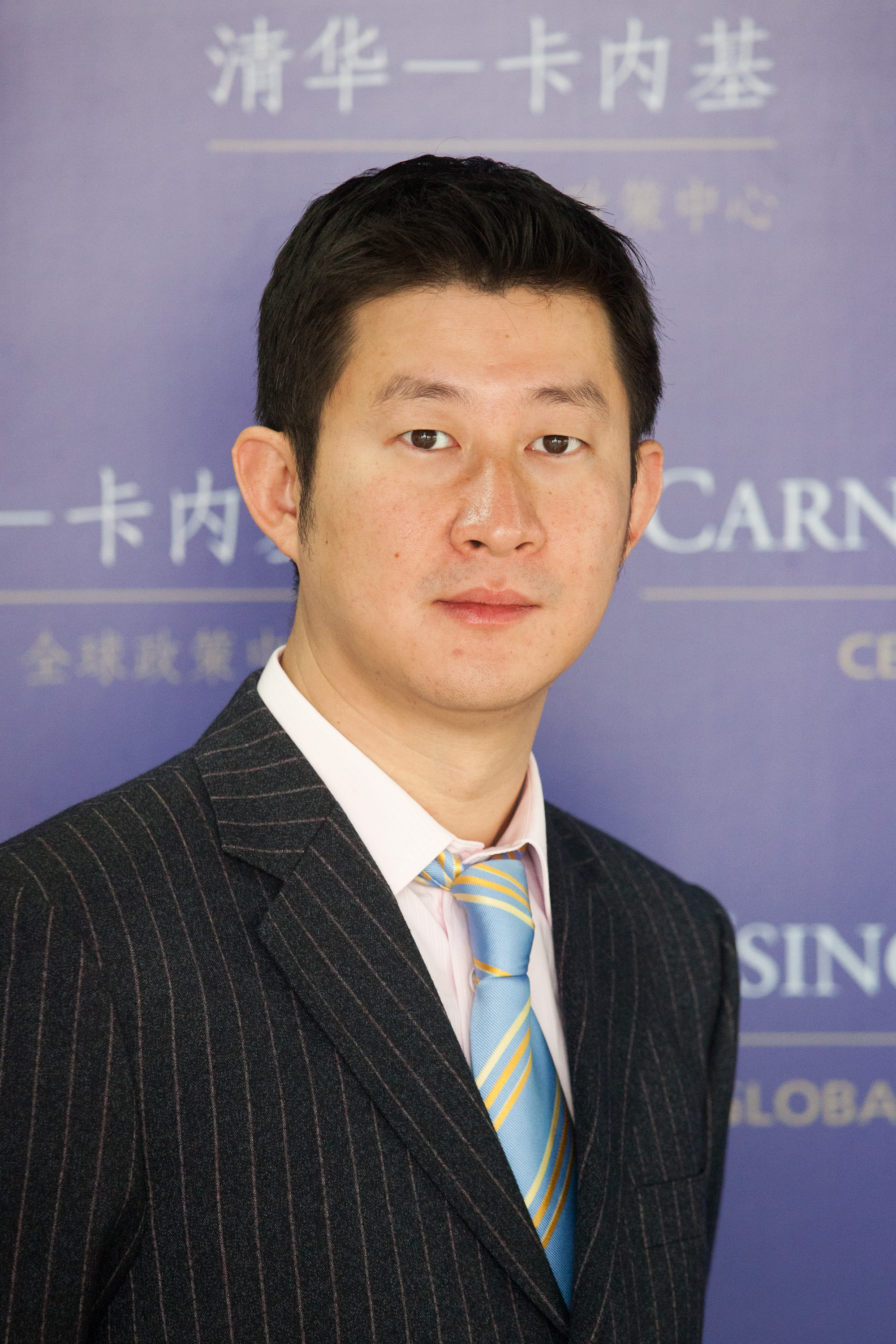
Former Nonresident Scholar, Carnegie-Tsinghua Center for Global Policy
Wang Tao was a nonresident scholar in the Energy and Climate Program based at the Carnegie–Tsinghua Center for Global Policy.
Recent Work
Wang Tao
Wang Tao, Yang Yifang
Carnegie India does not take institutional positions on public policy issues; the views represented herein are those of the author(s) and do not necessarily reflect the views of Carnegie, its staff, or its trustees.