
• Research
  • About
  • Experts
Carnegie India logoCarnegie lettermark logo
AI
{
  "authors": [
    "Neha Ansari"
  ],
  "type": "legacyinthemedia",
  "centerAffiliationAll": "dc",
  "centers": [
    "Carnegie Endowment for International Peace"
  ],
  "collections": [],
  "englishNewsletterAll": "ctw",
  "nonEnglishNewsletterAll": "",
  "primaryCenter": "Carnegie Endowment for International Peace",
  "programAffiliation": "NPP",
  "programs": [
    "Nuclear Policy"
  ],
  "projects": [],
  "regions": [
    "South Asia",
    "India",
    "Pakistan"
  ],
  "topics": [
    "Foreign Policy"
  ]
}

Source: Getty

In The Media

Pakistan’s Counter-Terrorism Plan May Have Created a Monster

The Pakistan army’s divide-and-rule strategy may have created another monster, one that has more resources and resonance and causes more bloodshed.

Link Copied
By Neha Ansari
Published on Nov 19, 2014

Source: National

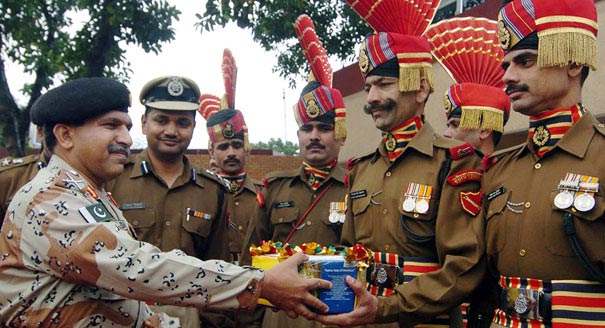
An emotional ceremony took place at the Wagah-Attari border post separating Pakistan and India on November 3, a day after at least 60 lives were lost in a brutal suicide attack. The bomber struck when people were exiting the compound on the Pakistani side after the daily military parade ended at dusk. An attack of this magnitude was the first of its kind since the military began its offensive on June 15.

Read Full text

This article was originally published in the National. 

About the Author

Neha Ansari

Former Visiting Researcher, Nuclear Policy Program

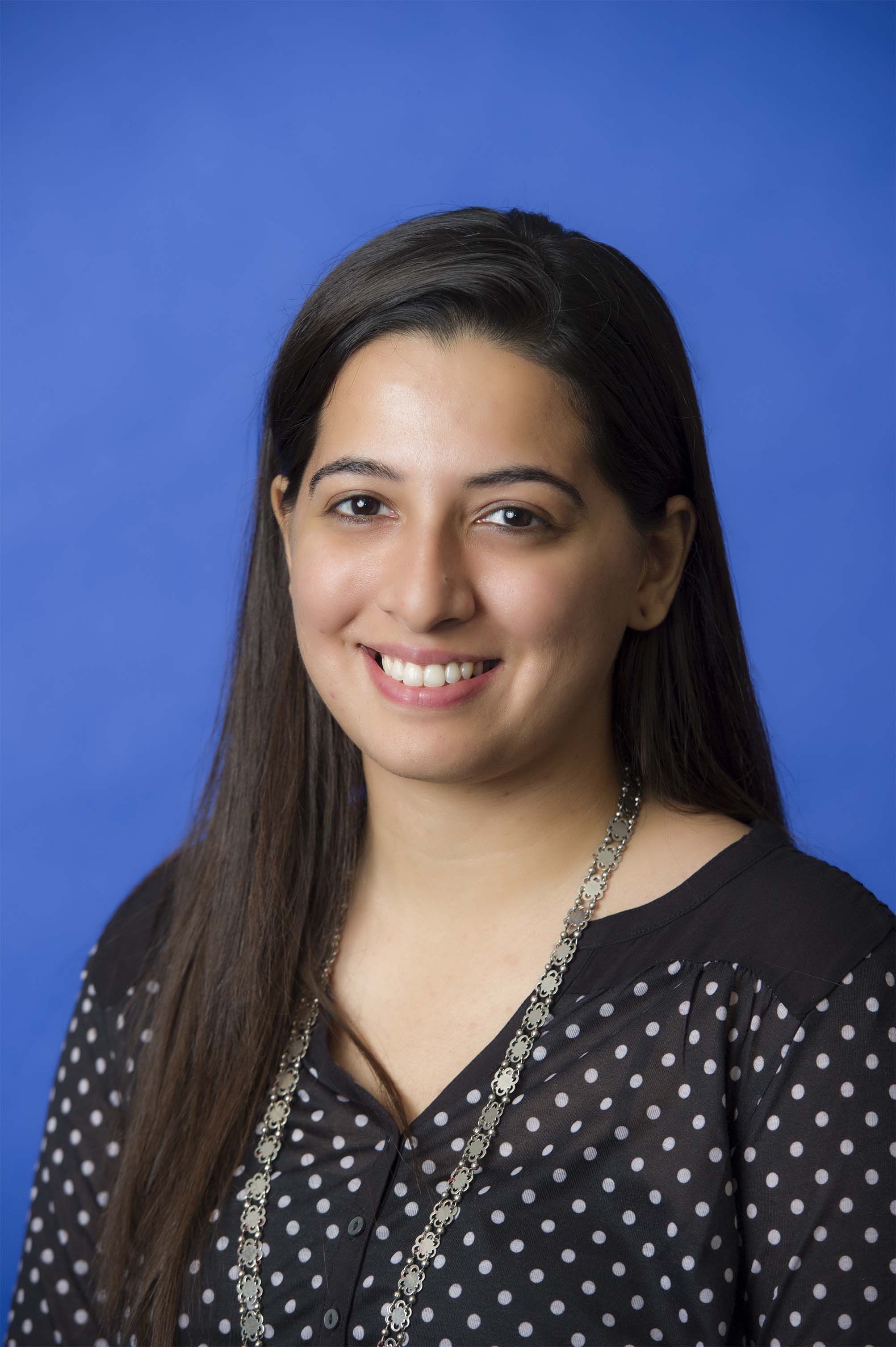
Neha Ansari is a visiting researcher in Carnegie’s Nuclear Policy Program. Her research focuses on South Asia, particularly strategic relations between Afghanistan, Pakistan, and India.

Neha Ansari
Former Visiting Researcher, Nuclear Policy Program
Neha Ansari
Foreign PolicySouth AsiaIndiaPakistan

Carnegie India does not take institutional positions on public policy issues; the views represented herein are those of the author(s) and do not necessarily reflect the views of Carnegie, its staff, or its trustees.

More Work from Carnegie India

  • Article
    Managing Divergence: India’s BRICS Presidency in 2026

    This piece argues that India’s central challenge is not managing a single flashpoint but resolving the underlying tension between expansion and institutional coherency of the BRICS grouping.

      Vrinda Sahai

  • Commentary
    India’s Semiconductor Ecosystem Is Maturing—and ASML Is Taking Notice

    The ASML MoU with Tata Electronics is an indicator of how far the Indian semiconductor ecosystem has come. This ecosystem has been years in the making and represents real commercial logic.

      Konark Bhandari

  • Paper
    A Review of India's 2023 Space Policy and Entrepreneurship Ecosystem

    This paper examines the relationship between India’s evolving space policy and the corresponding growth in private space ventures. It analyzes both the enabling factors created by recent regulatory changes and the persistent challenges facing entrepreneurs in this capital-intensive, highly regulated industry.

      Harshan Vazhakunnam

  • Article
    India–Africa Strategic Partnership: Challenges, Potential, and Possible Pathways

    A partnership between India, a country of subcontinental size, and Africa, a continent of fifty-four countries, may seem asymmetric until one notes that both are home to nearly the same number of people—1.4 billion. This essay spells out the existing challenges to the partnership, its optimal potential, and the possible pathways to realize it over the next quarter-century.

      Rajiv Bhatia

  • Commentary
    The Unresolved Challenges in U.S.–India Semiconductor Cooperation

    The U.S.–India semiconductor cooperation story is well-stocked with top-level strategic intent. What remains unresolved, however, are some underlying challenges that will determine whether the cooperation actually functions. Three such friction points stand out.

      Shruti Mittal

Get more news and analysis from
Carnegie India
Carnegie India logo, white
Unit C-4, 5, 6, EdenparkShaheed Jeet Singh MargNew Delhi – 110016, IndiaPhone: 011-40078687
  • Research
  • About
  • Experts
  • Projects
  • Events
  • Contact
  • Careers
  • Privacy
  • For Media
Get more news and analysis from
Carnegie India
© 2026 Carnegie Endowment for International Peace. All rights reserved.







