

Research
- +11
Frances Z. Brown, Nate Reynolds, Priyal Singh, …
{
  "authors": [
    "Frederic Wehrey"
  ],
  "type": "legacyinthemedia",
  "centerAffiliationAll": "dc",
  "centers": [
    "Carnegie Endowment for International Peace",
    "Malcolm H. Kerr Carnegie Middle East Center"
  ],
  "collections": [],
  "englishNewsletterAll": "menaTransitions",
  "nonEnglishNewsletterAll": "",
  "primaryCenter": "Carnegie Endowment for International Peace",
  "programAffiliation": "MEP",
  "programs": [
    "Middle East"
  ],
  "projects": [],
  "regions": [
    "North Africa",
    "Libya",
    "Maghreb"
  ],
  "topics": [
    "Security",
    "Military"
  ]
}
Source: Getty
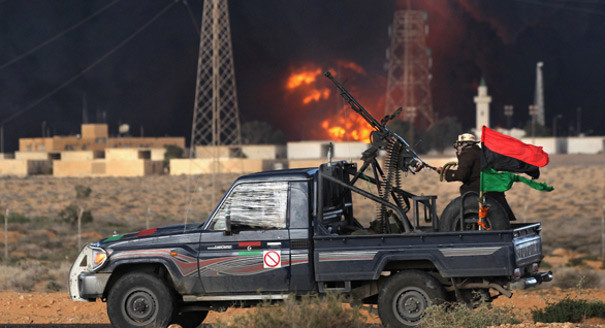
Frederic Wehrey discusses evidence of the use of cluster munitions as well as the ongoing civil war in Libya.
Source: RFI
During his recent trip to Libya, Frederic Wehrey saw evidence of cluster munitions used against a bank in Libya. The munitions were probably used by the aircraft of the Dignity camp, who obtained the munitions from the former Qaddafi regime in Libya. Preventing the use of the munitions in the future may not be easy as there is an ongoing civil war in Libya with “winner take all” mentality dominating the thinking of the fighting factions.
While both the Dawn and Dignity camps have access to heavy artillery, tanks, and grad rockets the real difference between the weapons of the two sides is that Dignity has more aircraft and has access to munitions for these aircraft from outside of Libya. While Dawn has repaired some aircraft, this side has been flying far less sorties.
But the aircraft on Dignity side, including the ones that have probably used cluster munitions, may not be all that effective. Those aircraft fly and bomb at high altitudes, making them very inaccurate. Also, historical evidence suggests that aircraft alone are not decisive in victory. As the “balance of weakness” continues in Libya, it will be hard to end the ongoing conflict in Libya. This has made the conflict particularly bloody.

Senior Fellow, Middle East Program
Frederic Wehrey is a senior fellow in the Middle East Program at the Carnegie Endowment for International Peace, where his research focuses on governance, conflict, and security in Libya, North Africa, and the Persian Gulf.
Recent Work

Frances Z. Brown, Nate Reynolds, Priyal Singh, …
Charles H. Johnson, Frederic Wehrey
Carnegie India does not take institutional positions on public policy issues; the views represented herein are those of the author(s) and do not necessarily reflect the views of Carnegie, its staff, or its trustees.

This piece examines India’s response to U.S. sanctions and tariffs, specifically assessing the immediate market consequences, such as alterations in import costs, and the broader strategic implications for India’s energy security and foreign policy orientation.
Vrinda Sahai
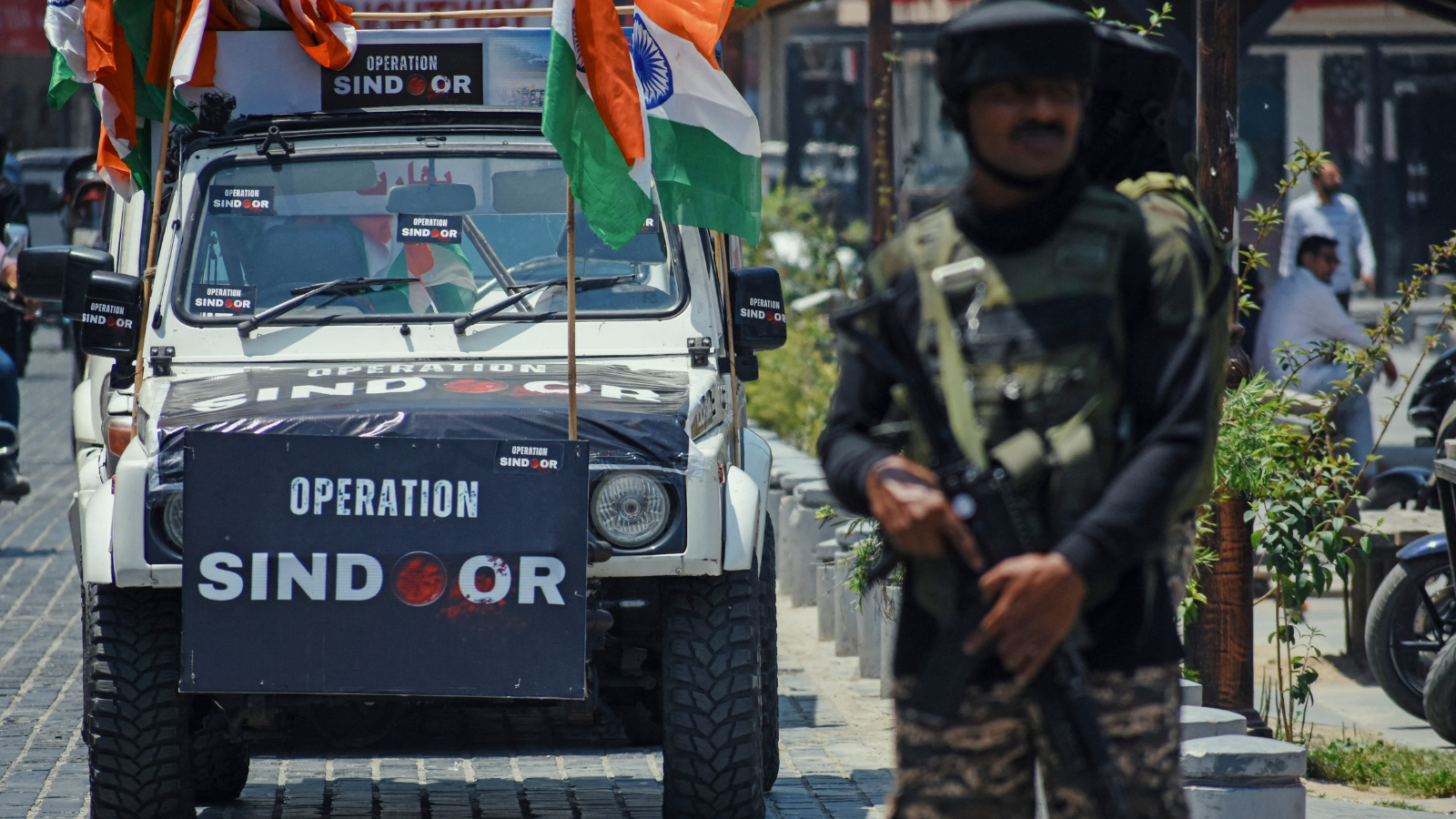
The India-Pakistan conflict that played out between May 6 and May 10, 2025, offers several military lessons. This article presents key takeaways from Operation Sindoor and breaks down how India’s preparations shaped the outcome and what more is needed to strengthen future readiness.

Dinakar Peri
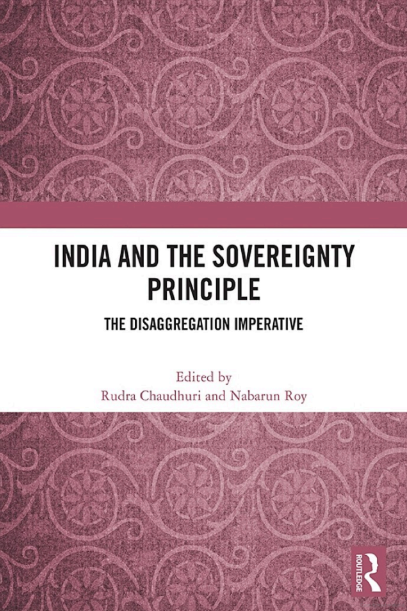
This book offers a comprehensive analysis of India's evolving relationship with sovereignty in a complex global order. Moving beyond conventional narratives, it examines how the sovereignty principle shapes India's behavior across four critical domains—from traditional military power to contemporary data governance.
Rudra Chaudhuri, Nabarun Roy
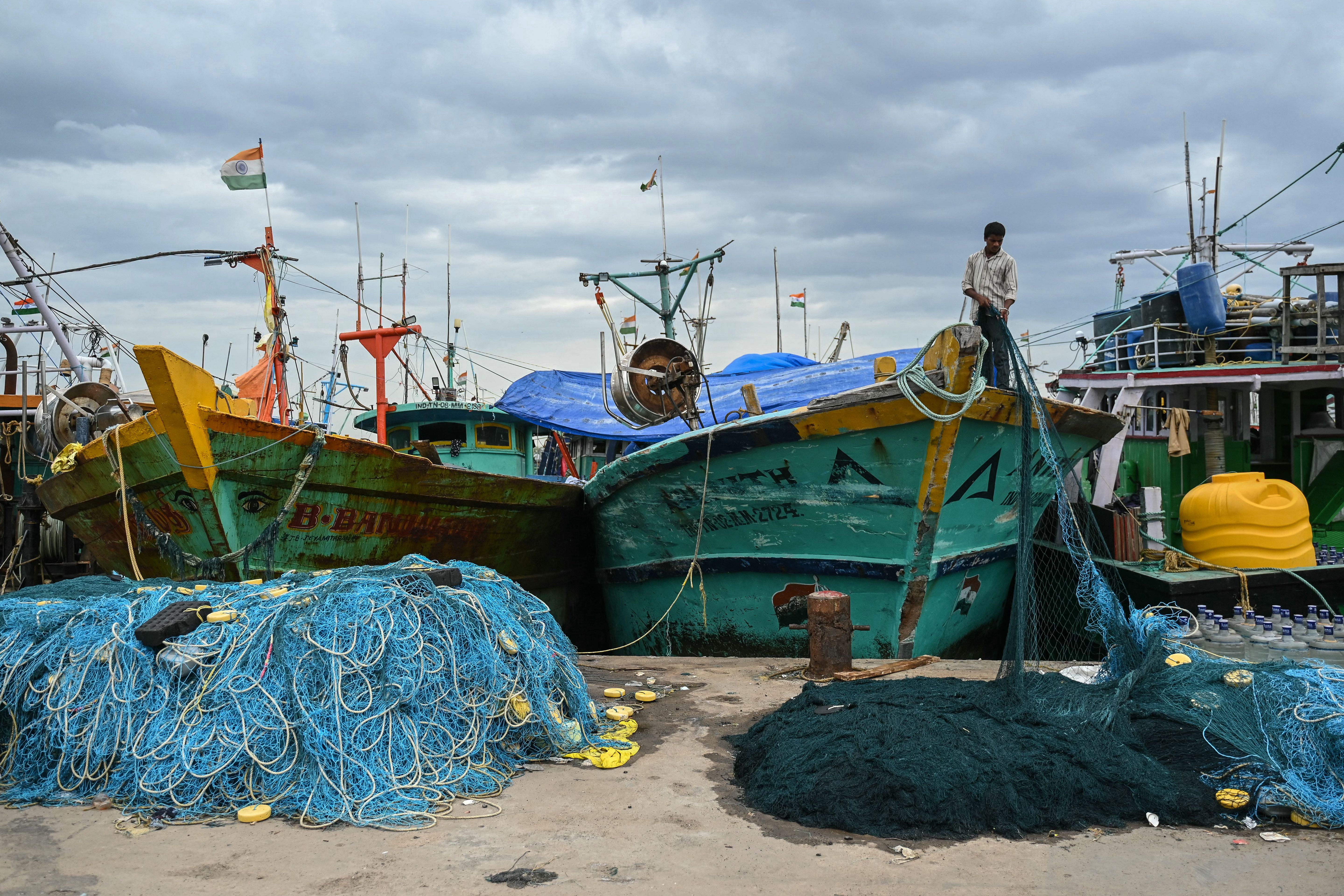
This article examines the scale and impact of Chinese IUU fishing operations globally and identifies the nature of the challenge posed by IUU fishing in the Indian Ocean Region (IOR). It also investigates why existing maritime law and international frameworks have struggled to address this growing threat.


Ajay Kumar, Charukeshi Bhatt
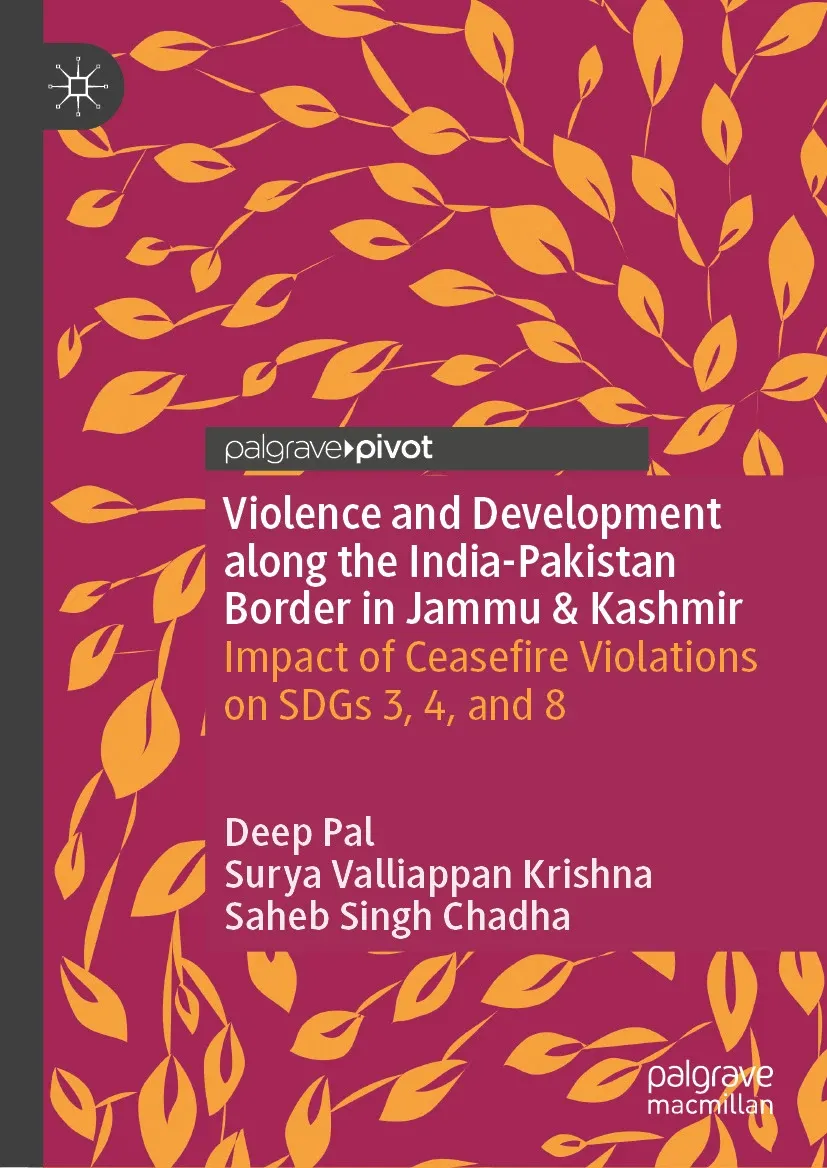
This book examines the impact of cross-border violence on communities living along the Line of Control and the International Border in Jammu and Kashmir, India.



Deep Pal, Surya Valliappan Krishna, Saheb Singh Chadha