

Research
- +10
Rosa Balfour, Frances Z. Brown, Yasmine Farouk, …
{
  "authors": [
    "Moisés Naím"
  ],
  "type": "legacyinthemedia",
  "centerAffiliationAll": "",
  "centers": [
    "Carnegie Endowment for International Peace"
  ],
  "collections": [],
  "englishNewsletterAll": "",
  "nonEnglishNewsletterAll": "",
  "primaryCenter": "Carnegie Endowment for International Peace",
  "programAffiliation": "",
  "programs": [],
  "projects": [],
  "regions": [],
  "topics": [
    "Political Reform",
    "Economy"
  ]
}
Source: Getty
From the Vatican to the military to the C-suite, power is not just dissipating—it’s decaying.
Source: Fortune
No matter if you look at the Vatican or the military or the C-suite, power is not just dissipating—it’s decaying.
That was the message from Moisés Naím, author of The End of Power, at the Fortune Global Forum on Wednesday, November 4, 2015.
It’s easier to gain power today, but it’s “harder to use and easier to lose,” said Naím, who is also a distinguished fellow at the Carnegie Endowment for International Peace in Washington.Naím outlined the three fundamental forces that he believes have created this shift—what he calls the three revolutions.
The first is the “more revolution,” meaning there are more people than ever before, more technology, more guns, more terrorists. The “mobility revolution” means that everything—from physical goods and services to ideas—travels further and faster. And the “mentality revolution” has led to a profound change in aspirations, especially from the middle class. These three revolutions work in concert to undermine power, he said.
“I would never argue that the world doesn’t have still important concentrations of power,” he said, but those in control can do less with it. He gave the example of Russian President Vladimir Putin, who he would argue has less power today than five years ago because of economic turmoil caused by sanctions and a middle class of an unprecedented size and aspirations.
Naím also pointed to examples of shake ups within corporate America, citing a statistic noted earlier in the conference by Cisco Executive Chairman John Chambers that 40% of the companies on Fortune 500 won’t exist in a decade.
To deal with this new world order, Naím said companies today have to have a laser-like focus on what they’re good at without losing sight of what’s happening on the periphery. “The threat is not from natural, normal traditional markets but from places you don’t even imagine,” he said.
The good news, Naím, said is that the world is less secure for tyrants and monopolists, and that small companies have a “shot at challenging and eating the lunch of mega-players.”
The bad news for the group of CEOs and power players in the audience? “All of you have shortest tenures than your predecessors.”

Distinguished Fellow
Moisés Naím is a distinguished fellow at the Carnegie Endowment for International Peace, a best-selling author, and an internationally syndicated columnist.
Recent Work



Rosa Balfour, Frances Z. Brown, Yasmine Farouk, …
Moisés Naím
Carnegie India does not take institutional positions on public policy issues; the views represented herein are those of the author(s) and do not necessarily reflect the views of Carnegie, its staff, or its trustees.

On March 10, 2026, India’s Union Cabinet approved amendments to Press Note 3, a regulation that mandated government approval on all foreign direct investment (FDI) from countries sharing a land border with India. This amendment raises questions primarily about whether its stated benefits will materialize and if the risks have been adequately weighed. This piece will address the same.

Konark Bhandari

This piece examines India’s response to U.S. sanctions and tariffs, specifically assessing the immediate market consequences, such as alterations in import costs, and the broader strategic implications for India’s energy security and foreign policy orientation.

Vrinda Sahai

This paper examines the evolution of India-China economic ties from 2005 to 2025. It explores the impact of global events, bilateral political ties, and domestic policies on distinct spheres of the economic relationship.

Santosh Pai
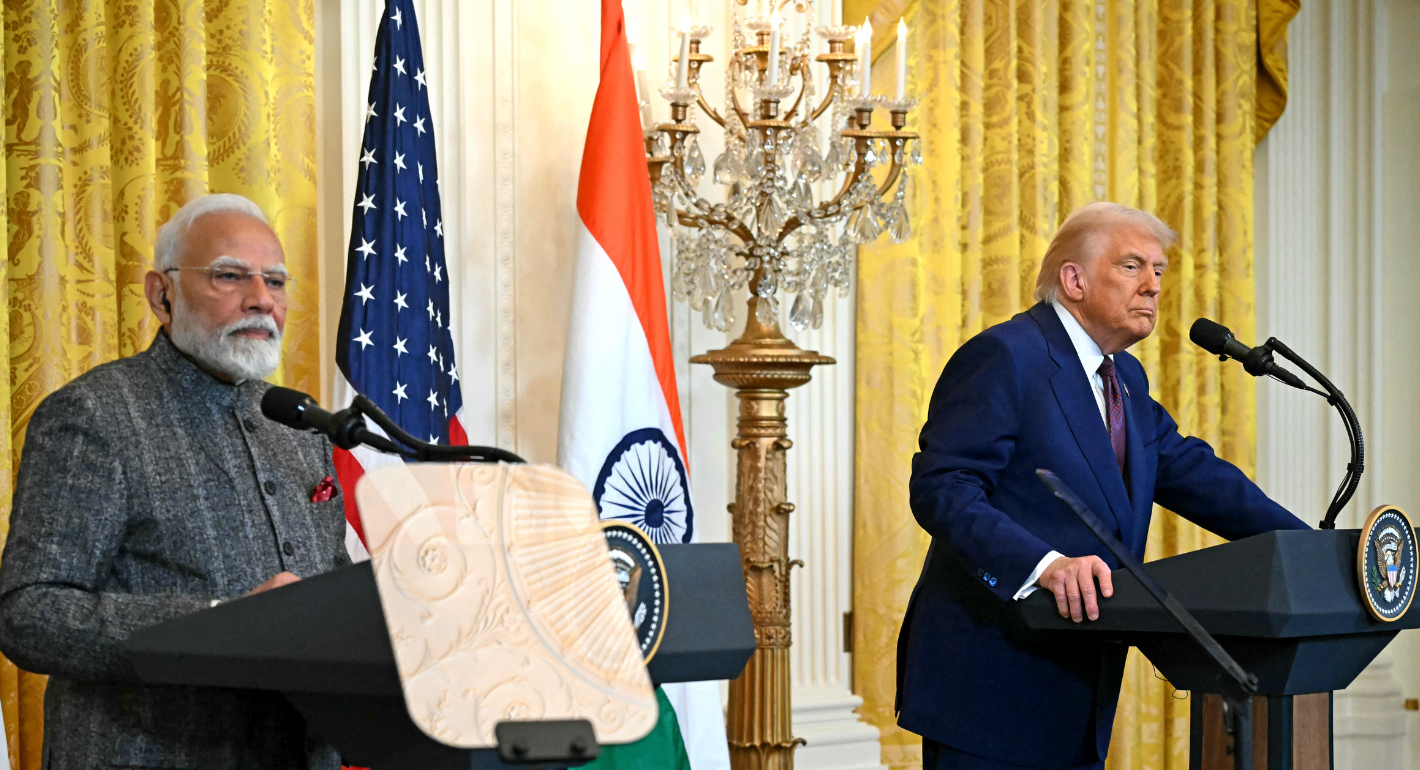
The India-U.S. relationship currently appears buffeted between three “Ts”—TRUST, Tariffs, and Trump.
Arun K. Singh
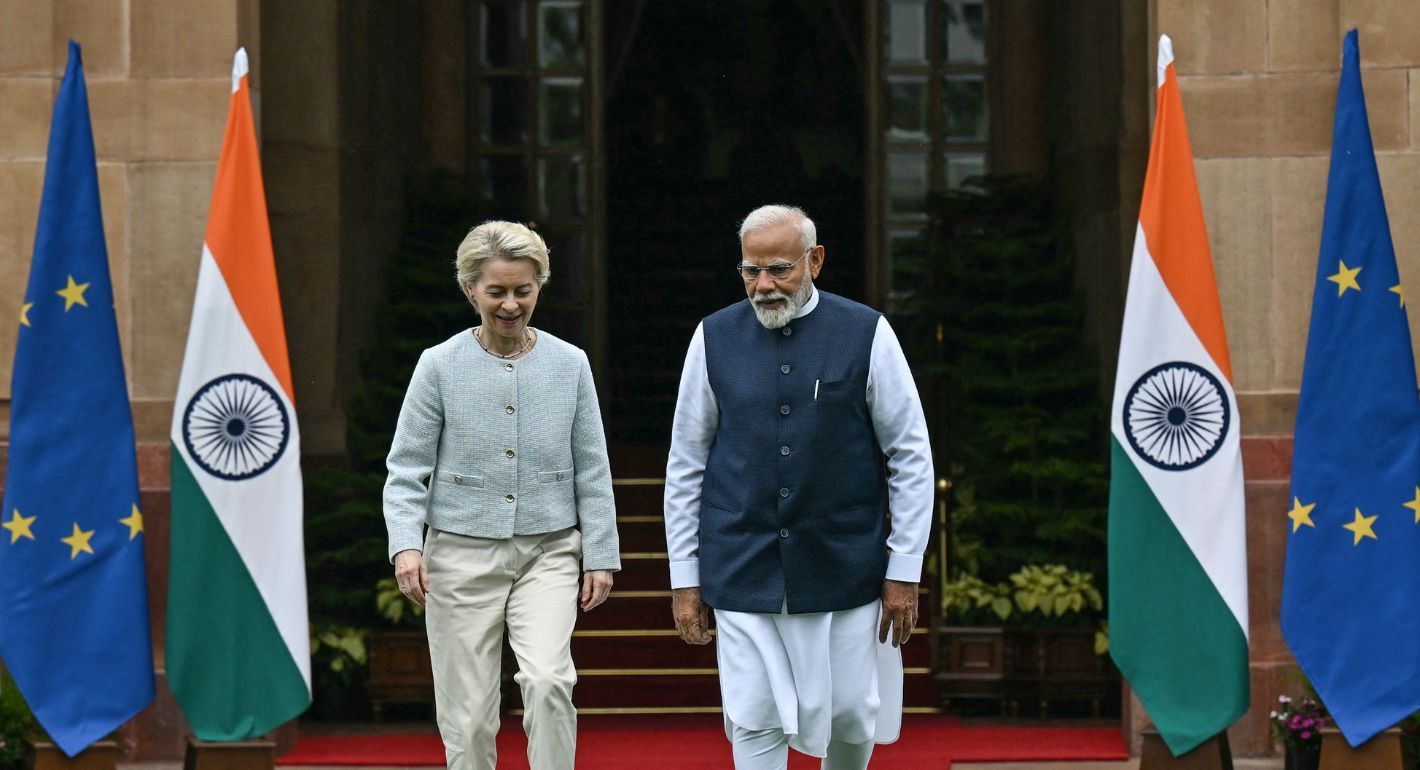
This article argues that the geopolitical circumstances have never been more conducive, not merely for the early conclusion of the free trade agreement (FTA) between India and the EU, but also for crafting a substantive and comprehensive strategic partnership.
Mohan Kumar