

Article
Frederic Grare
{
  "authors": [
    "Frederic Grare"
  ],
  "type": "legacyinthemedia",
  "centerAffiliationAll": "dc",
  "centers": [
    "Carnegie Endowment for International Peace"
  ],
  "collections": [],
  "englishNewsletterAll": "",
  "nonEnglishNewsletterAll": "",
  "primaryCenter": "Carnegie Endowment for International Peace",
  "programAffiliation": "SAP",
  "programs": [
    "South Asia"
  ],
  "projects": [],
  "regions": [
    "Middle East",
    "North Africa",
    "France"
  ],
  "topics": [
    "Security",
    "Foreign Policy"
  ]
}
Source: Getty
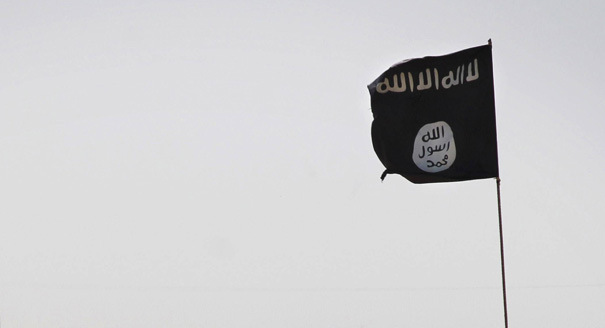
The attacks in Paris may have shocked the international community, but the French government appears quite alone in its fight against the self-proclaimed Islamic State.
Source: Indian Express
On Friday, November 13, France was struck by its second terrorist attack in less than a year. Three teams, including at least seven participants, attacked six sites in Paris, including the surroundings of the iconic Stade de France, where French President Francois Hollande was attending a soccer match; the Bataclan, a popular theatre where a concert was taking place that evening; and the terraces of several cafés where people had assembled on a particularly mild November night. The attacks left 129 people dead and 352 injured.
On Saturday, November 14, Daesh (the Arabic acronym for the Islamic State) claimed responsibility for the attacks on the French capital, indicating that they would be the “first of the storm”. The French president confirmed the IS’s responsibility, calling the attacks “the terrorism of war”. In response to the attacks, he announced the intensification of air strikes against the IS in Syria. Raqqa, the Syrian city known to shelter the IS headquarters, was immediately bombed.
Two days later, a series of measures were announced, including the reinforcement of France’s domestic security forces, the extension of the emergency to three months, and a change of the French constitution in order to better fight terrorism within the rule of law. Hollande also called for a meeting of the UN Security Council.
However, the prospects for quickly eradicating the IS seem bleak, even if, as observed by Olivier Roy, the leading French expert on political Islam, “Daesh has reached the limits of its potential territorial expansion” because there are no more areas in which it can pose as the defender of Sunni Arab populations. Blocked by the Kurds in the north, Iraqi Shiites to the east and the Alawites to the west, it has no option left but to follow in the footsteps of al-Qaeda and move into the global de-territorialised jihad, which at one point or the other will inevitably lead to its downfall for lack of support, if nothing else.
The attacks in Paris may have shocked the international community — many foreign governments have indeed expressed their solidarity with France — but the French government appears quite alone in its fight against the IS. Hollande’s hopes for a large, single coalition united against the terrorist organisation so far appear to have been dashed.
The anti-IS heteroclite coalition is based, at best, on a quid pro quo. If, in the words of the French president, the IS is now a priority — an evolution from the previous French position in which the IS and the current Syrian regimes were (rightly) seen as two faces of the same coin — it remains a secondary threat for most local actors, who are much more concerned with their regional interests. Syrian President Bashar al-Assad has nothing to gain from the potential disappearance of the IS, which makes him appear to be the last rampart against extremism.
The Turkish government, now itself a victim of the IS, is more interested in preventing Kurdish separatism and has long played with fire. The Kurds and Iran see the IS as a factor of division within the Arab world and, for different reasons, need to contain but not eliminate it. Saudi Arabia sees the IS as a useful instrument against Iran and does nothing against it.
But the main divisive question is still the role that Assad will play in Syria’s political future. Russia and Iran, operating through Hezbollah, oppose the United States and everyone else. If the Paris attacks prompted a rapprochement between these positions at the November 14 conference in Vienna, which agreed on a political transition in six months that is, in turn, supposed to lead to a new constitution and free and fair elections, there is still no agreement regarding the fate of the Syrian president.
As a result of this imbroglio, no country is ready to send boots on the ground, thus ensuring the survival of the IS. Air strikes are likely to weaken the organisation, but not eliminate it. True, the IS positions on the ground are eroding. In 2013, Abu Bakr al-Baghdadi’s organisation had managed to expel the opposition to Assad from the north of Syria and in 2014, it seized substantial parts of Iraq, including the cities of Mosul and Fallujah.
Since then, it has lost 25 to 30 per cent of the territory it held in Iraq and is under growing pressure in Syria. The attacks in Paris, which followed another terrorist strike against Hezbollah in Beirut the previous day and the bombing of a Russian commercial airline over Mount Sinai earlier in October, should be understood as an attempt to inflict costs on the countries (France, Russia) and organisations (Hezbollah and indirectly, Iran) actively involved in the struggle against the Sunni militant group
Meanwhile, the organisation is proving quite resilient, well organised and capable of causing considerable damage in the societies where it intervenes. On the one hand, the attacks generated nothing but disgust. But at the same time, an attack of this magnitude and the narrative of victory it will inevitably generate is likely to attract, rather than discourage, part of the disaffected youth who, in Europe and elsewhere, are still seduced by the IS’s nihilism.
Last but not least, the impact of the attacks will be amply seen in political debate, where questions on the place of Muslims in Western society will inevitably arise, encouraged by political parties on both sides of the spectrum, even if in support of different systems of beliefs. The negative impact on national unity is perhaps the greatest risk for most affected Western societies.
The IS is not an existential threat for Western societies and the rhetoric of war can only be counterproductive, as it confers on IS a significance and an aura that, like in the case of al-Qaeda, is disproportionate with its actual importance. But this is precisely where the main risk lies. One may hope and believe that the IS will regress and disappear and that sanity will prevail, but when this will happen is an open question, and the societal cost of the journey may ultimately prove fairly high.
This article was originally published in the Indian Express.
Former Nonresident Senior Fellow, South Asia Program
Frédéric Grare was a nonresident senior fellow at the Carnegie Endowment for International Peace, where his research focuses on Indo-Pacific dynamics, the search for a security architecture, and South Asia Security issues.
Recent Work
Frederic Grare
Frederic Grare
Carnegie India does not take institutional positions on public policy issues; the views represented herein are those of the author(s) and do not necessarily reflect the views of Carnegie, its staff, or its trustees.

This piece examines India’s response to U.S. sanctions and tariffs, specifically assessing the immediate market consequences, such as alterations in import costs, and the broader strategic implications for India’s energy security and foreign policy orientation.
Vrinda Sahai
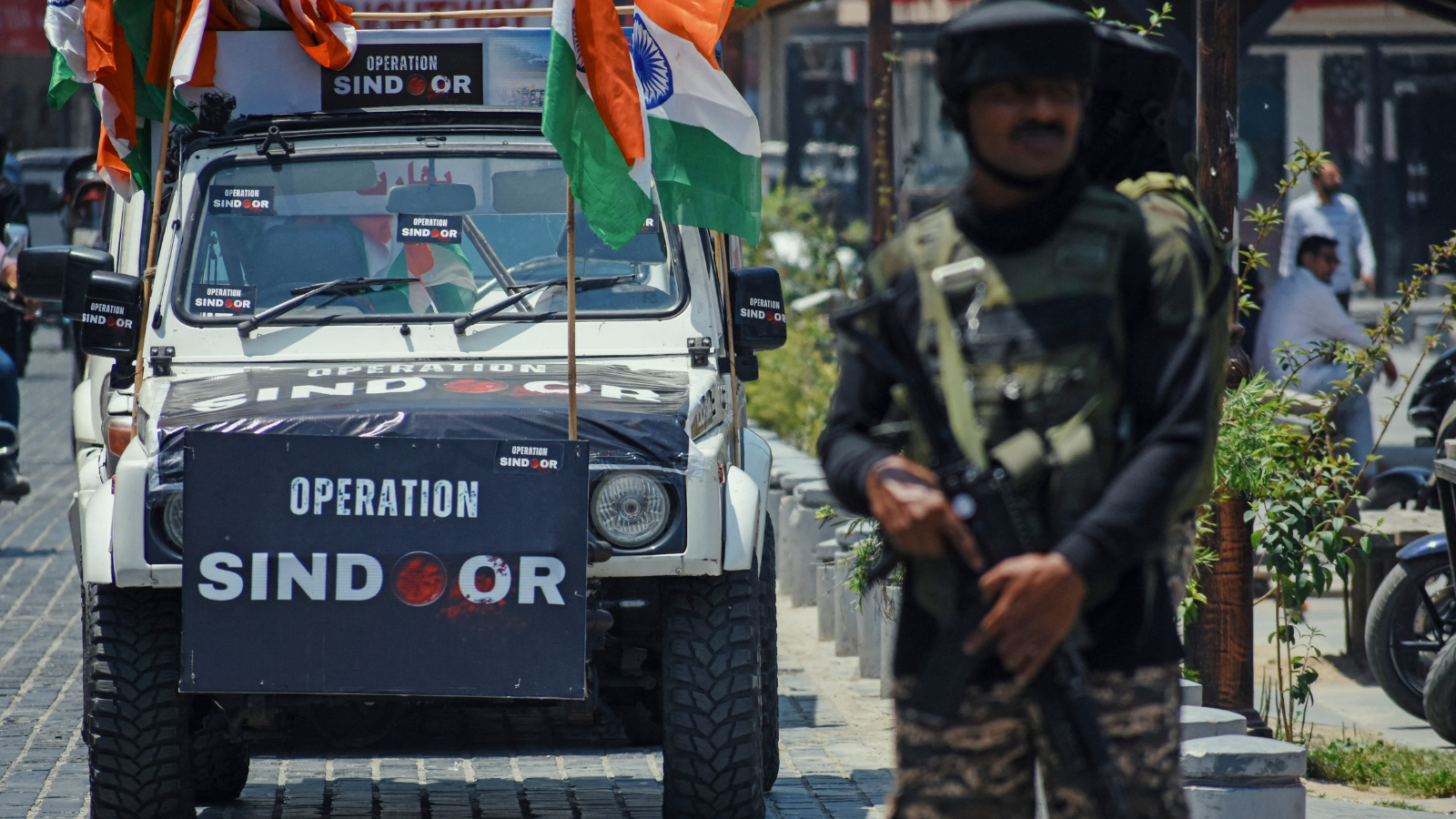
The India-Pakistan conflict that played out between May 6 and May 10, 2025, offers several military lessons. This article presents key takeaways from Operation Sindoor and breaks down how India’s preparations shaped the outcome and what more is needed to strengthen future readiness.

Dinakar Peri
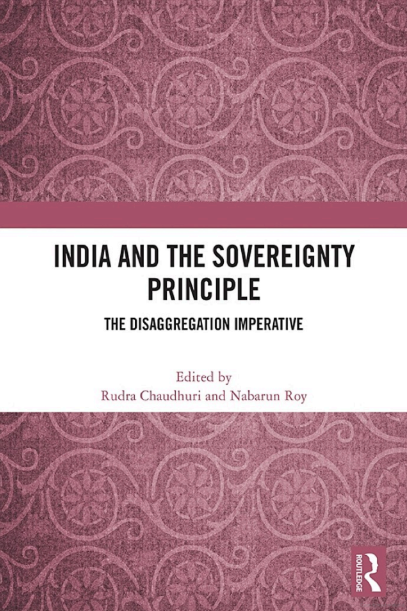
This book offers a comprehensive analysis of India's evolving relationship with sovereignty in a complex global order. Moving beyond conventional narratives, it examines how the sovereignty principle shapes India's behavior across four critical domains—from traditional military power to contemporary data governance.
Rudra Chaudhuri, Nabarun Roy
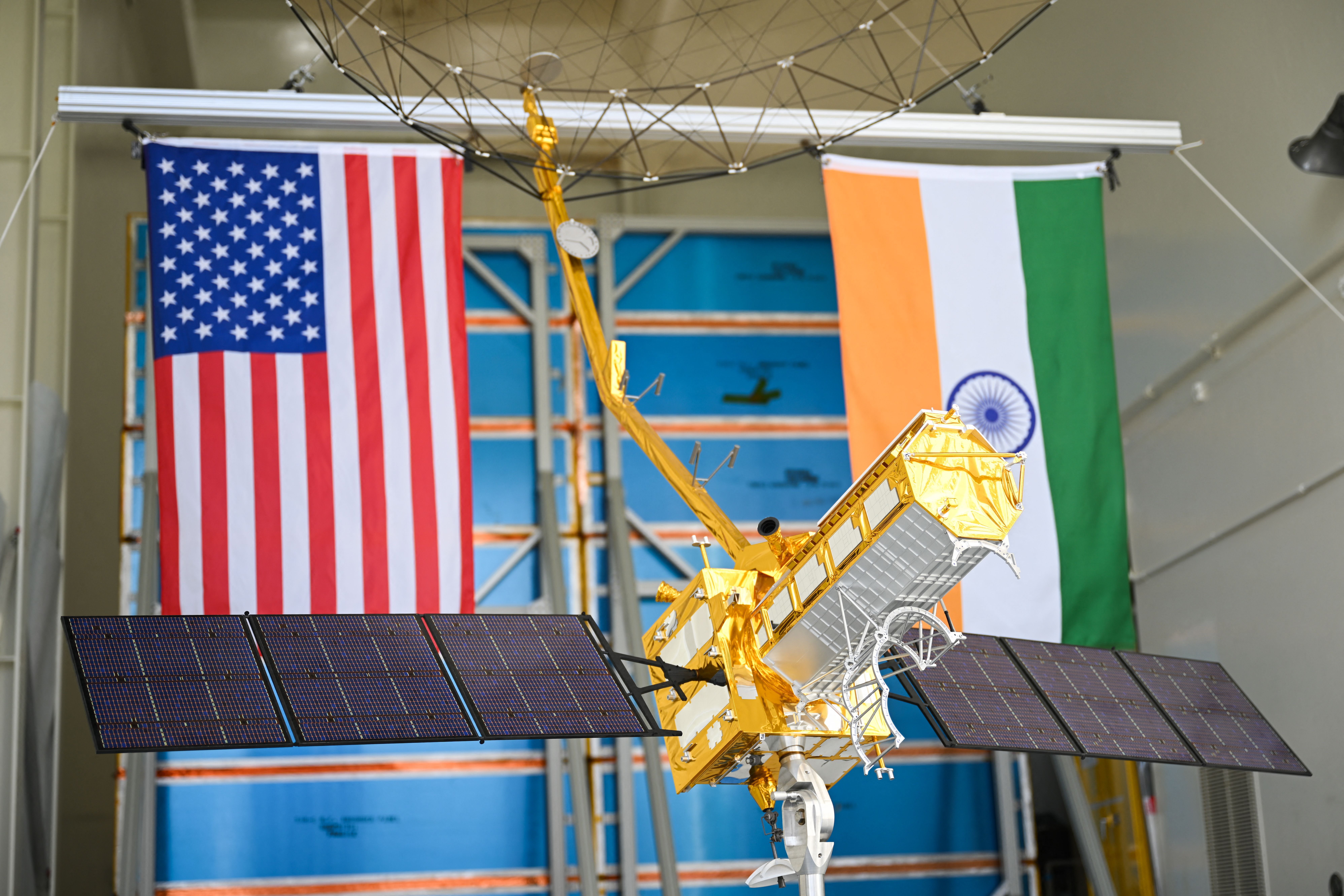
On July 30, 2025, the United States announced 25 percent tariffs on Indian goods. While diplomatic tensions simmered on the trade front, a cosmic calm prevailed at the Sriharikota launch range. Officials from NASA and ISRO were preparing to launch an engineering marvel into space—the NASA-ISRO Synthetic Aperture Radar (NISAR), marking a significant milestone in the India-U.S. bilateral partnership.

Tejas Bharadwaj
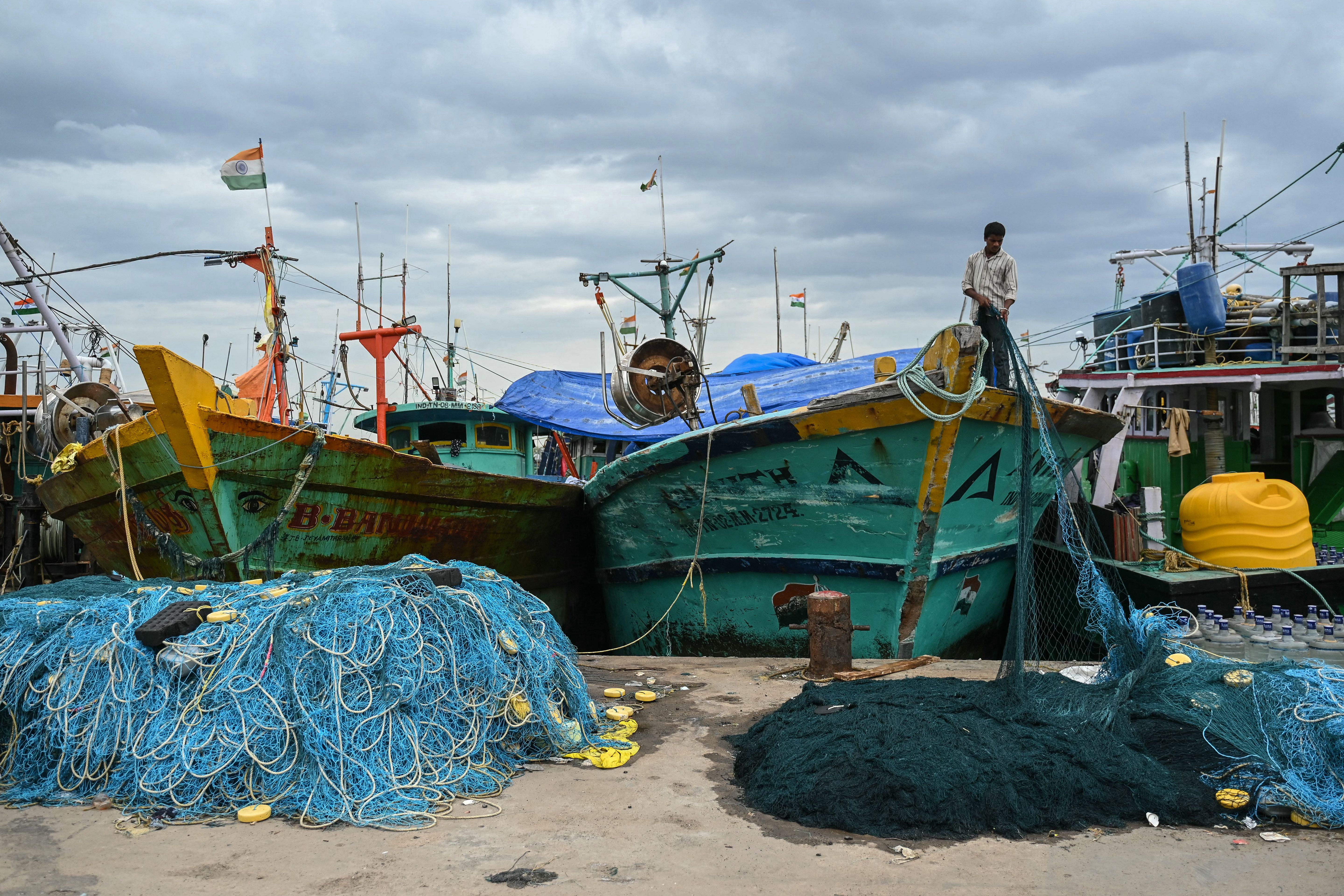
This article examines the scale and impact of Chinese IUU fishing operations globally and identifies the nature of the challenge posed by IUU fishing in the Indian Ocean Region (IOR). It also investigates why existing maritime law and international frameworks have struggled to address this growing threat.


Ajay Kumar, Charukeshi Bhatt