

Article
This piece argues that India’s central challenge is not managing a single flashpoint but resolving the underlying tension between expansion and institutional coherency of the BRICS grouping.
Vrinda Sahai
{
  "authors": [
    "Anastasia Dagaeva"
  ],
  "type": "commentary",
  "centerAffiliationAll": "",
  "centers": [
    "Carnegie Endowment for International Peace",
    "Carnegie Russia Eurasia Center"
  ],
  "collections": [
    "Inside Russia"
  ],
  "englishNewsletterAll": "",
  "nonEnglishNewsletterAll": "",
  "primaryCenter": "Carnegie Russia Eurasia Center",
  "programAffiliation": "",
  "programs": [],
  "projects": [],
  "regions": [
    "Russia"
  ],
  "topics": []
}
Source: Getty
The Russian government has ambitious plans to rebuild the country’s aviation industry. Despite state subsidies for manufacturers, leasing companies, and buyers, however, Russian planes aren’t selling abroad—even in countries like Iran, with which Moscow has strong political ties.
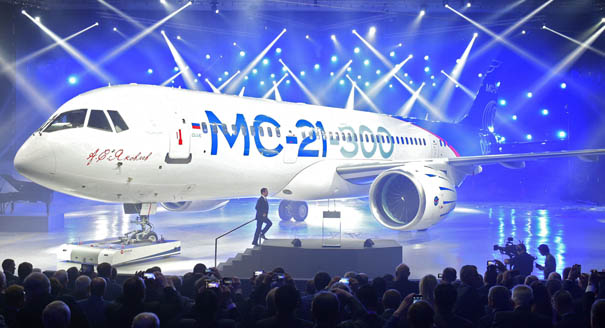
Last week, the world’s aviation industry descended on Farnborough, a small town 35 miles west of London, for one of the largest air shows in the world. Although an official Russian delegation did not attend the Farnborough International Airshow, Russia’s United Aircraft Corporation (UAC) did showcase several planes, including the Sukhoi Superjet 100 and the Irkut MC-21.
The MC-21 was the star of the Russian exposition: Russian experts claim the plane, which is expected to fly for the first time in 2017 and to be delivered at the end of 2018, will be able to compete with the Airbus 320 and the Boeing 737. The MC-21 indeed has many advantages over its competition: it has a 10 percent greater carrying capacity and is lighter and more aerodynamic.
Still, it won’t be easy to displace the A320 and 737, which currently have a stronghold on the market for single-aisle medium-haul aircraft. The fourth-generation 737 launched in January, and deliveries are expected to start next year. The A320neo is already a part of the Lufthansa fleet, and as of May Airbus had collected 4,568 orders for the plane from 65 companies.
The MC-21 will also have to compete with the Chinese C919 and the Canadian Bombardier CSeries. Since rolling out the C919 in November 2015, the Commercial Aircraft Corporation of China has collected 517 orders for the plane.
Political concerns may ultimately undermine the MC-21’s competitiveness. Because the aviation industry is extremely capital-intensive, European and American sanctions have been a nightmare for the MC-21 project, which has nearly 40 major partners, over half of which are foreign.
Unable to attract foreign investment, the project has been supported almost entirely by the Russian government. Eighty percent of the 100 billion rubles invested in the project has come from the federal budget. UAC, which is 96 percent controlled by the state, has contributed the other 20 percent. Estimates suggest that the project will require another 90 billion rubles in investment.
When Russia launched its import substitution program in 2015, Medvedev complained of the large share of foreign imports—80 percent—in civil aviation manufacturing. Though the industry has worked to develop domestic technologies, it hasn’t been able to replace foreign imports completely: the MC-21 has an engine made by Pratt & Whitney, an American manufacturer.
But even strong political relationships don’t guarantee strong sales: in December 2010, Putin met with Italian Prime Minister Silvio Berlusconi, who announced that “Italy is ready to buy a large number of Sukhoi Superjet 100 passenger aircraft from Russia.” Two weeks later, Italian national carrier Alitalia inked a contract with Embraer, a Brazilian firm.
Beyond politics, there are a number of other factors inhibiting Russian aviation. When buying airplanes, airlines are chiefly concerned with flight cost per hour, which is determined not only by the technical characteristics of an aircraft, but also by the accessibility and availability of spare parts, the speed of repairs, etc. Russia has only begun to build the infrastructure necessary to support an efficient airline industry.
Officials regularly lament the collapse of the Soviet aviation industry, which owed its massive production outputs to a planned and closed economy. The current government seems to be willing to return to Soviet-style production and is ready to finance everything: the state program to develop the aviation industry from 2013 to 2025 will cost about 1 trillion rubles, two thirds of which will come from the federal budget.
But who is actually going to buy the MC-21?
Irkut has received 175 firm orders for the MC-21. State-controlled companies Ilyushin Finance Co. (IFC), VEB-Leasing, and Rostec have all placed orders. Some of the planes they ordered, however, were earmarked for Transaero, which has filed for bankruptcy, and UTair, which barely survived bankruptcy by downsizing significantly. Other companies, including Sberbank Leasing, have only signed provisional agreements.
Aeroflot, the country’s leading airline, is set to receive 50 MC-21s. However, S7, Russia’s next largest airline, has not expressed any interest in the MC-21. Nearly ten years ago, Vladislav Filev, company’s owner, responded to a question about why his company was not buying Russian planes: “I would have loved to have bought the MiG-29 [a fighter jet], but it doesn’t carry people.”
Demand is low in part because airlines are dealing with the effects of Western sanctions and depressed oil prices: passenger traffic decreased by 1.2 percent from 2014 to 2015 and has fallen by 3.6 percent in the first four months of 2016.
One option may be to sell the MC-21 to countries where Russia has contracts for military equipment—and therefore political influence. This Soviet tactic has already been successful in Egypt, which has agreed to purchase six MC-21s.
Not so in Iran, however. Though Russia would seem to be well positioned to sell planes to the Iranians, Tehran recently signed an agreement to buy 118 aircraft from Airbus and a memorandum for 100 planes from Boeing.
Russia has lofty aspirations for its aviation industry in spite of these obstacles: UAC wrote in a 2015 report that it hoped to return the industry’s output to Soviet levels, when 244 passenger aircraft were produced per year on average. Russia hopes to be the third largest aircraft manufacturer in the world by 2025, with its civil aircraft accounting for 3.2 percent of planes worldwide (this figure is now at 1 percent). In such a complex industry, however, this goal seems quite ambitious—perhaps too ambitious.
Anastasia Dagaeva
Carnegie India does not take institutional positions on public policy issues; the views represented herein are those of the author(s) and do not necessarily reflect the views of Carnegie, its staff, or its trustees.

This piece argues that India’s central challenge is not managing a single flashpoint but resolving the underlying tension between expansion and institutional coherency of the BRICS grouping.

Vrinda Sahai
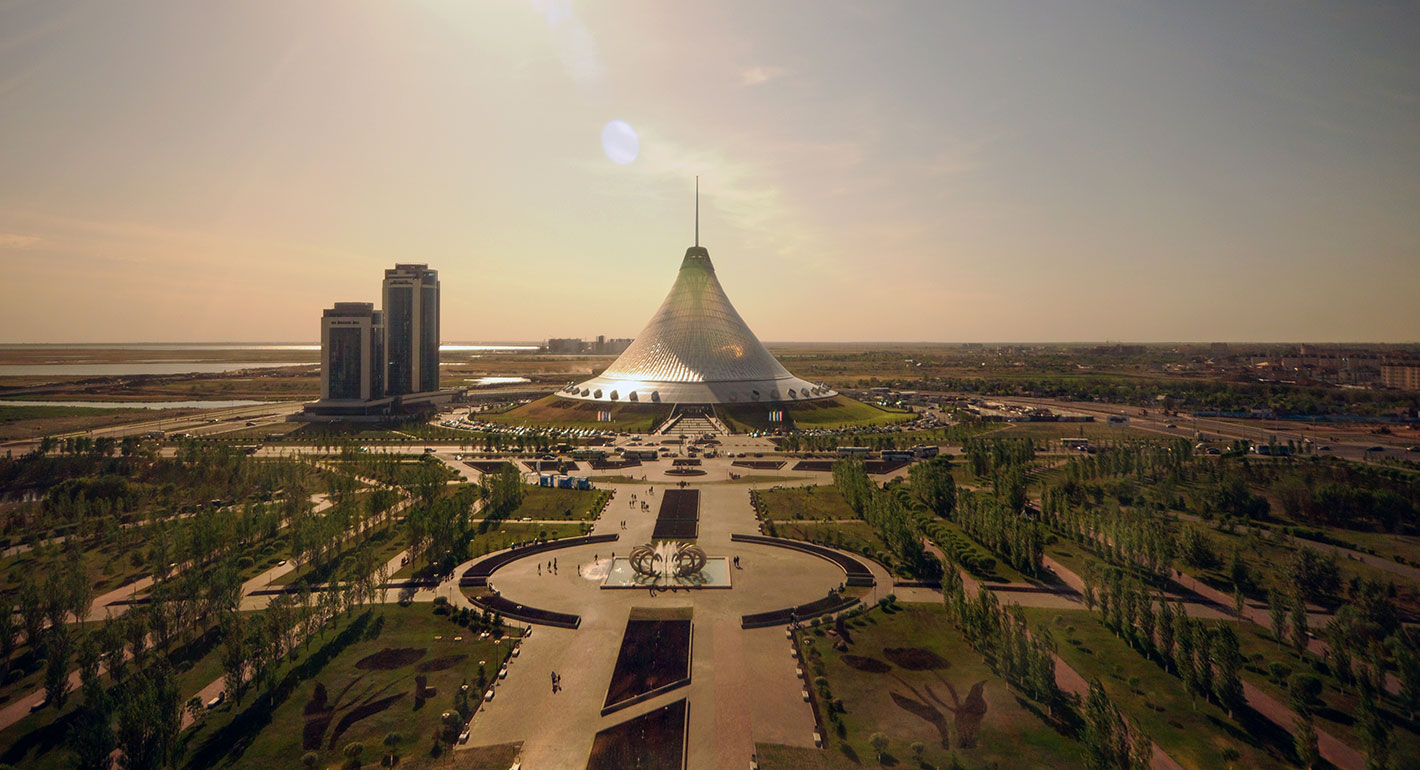
With contributors from various Central Asian nations and beyond, this issue of Seminar provides a selection of perspectives about the past, present, and future trajectory of Central Asia, and the growing role of external actors, particularly India, China, Russia, and the EU in this evolving and dynamic space.
Rhea Menon, Sharanya Rajiv, 64592
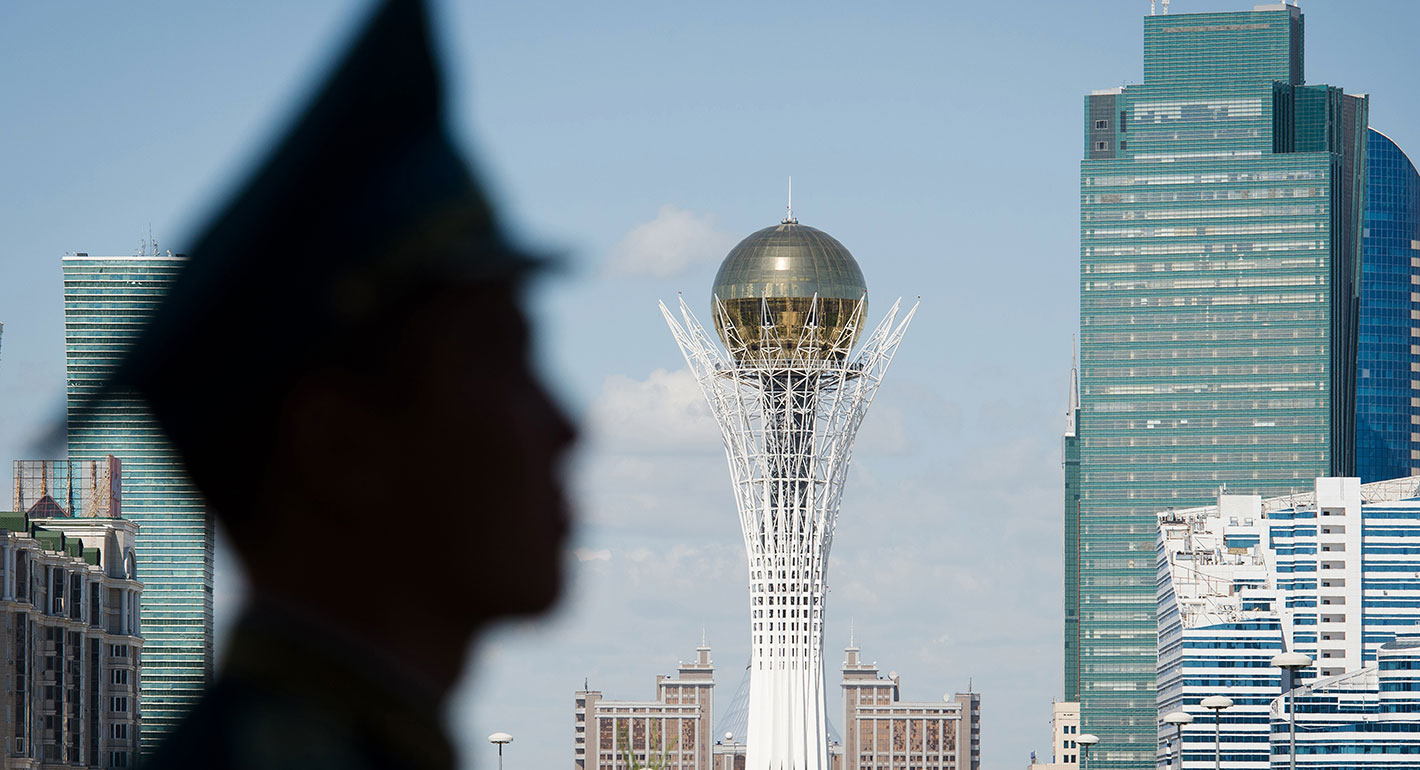
The rise of China as an economic powerhouse in Asia, along with rapid globalization, has brought Central Asia back in the limelight as a bridge connecting the established markets of the West with the emerging markets of the East.
Rhea Menon, Sharanya Rajiv
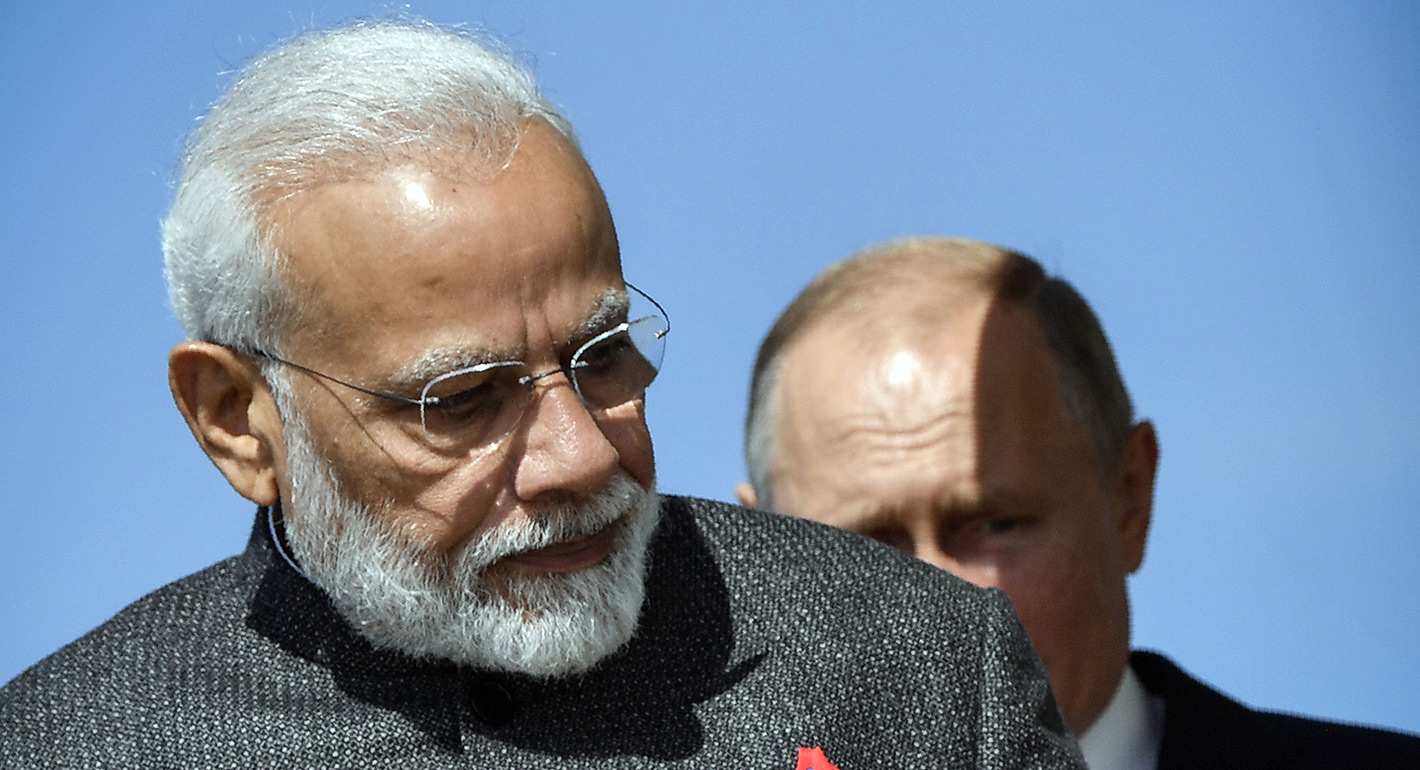
The special and privileged strategic partnership between India and Russia now spans across both Eurasia and the Indo-Pacific.
Sharanya Rajiv, 64592
The rejigging of the political relations between the United States, China, and Russia might present New Delhi with fleeting strategic opportunities that need to be seized quickly.
C. Raja Mohan