

Commentary
Marc Pierini
{
  "authors": [
    "Marc Pierini"
  ],
  "type": "legacyinthemedia",
  "centerAffiliationAll": "dc",
  "centers": [
    "Carnegie Endowment for International Peace",
    "Carnegie Europe"
  ],
  "collections": [
    "Turkey’s Transformation"
  ],
  "englishNewsletterAll": "ctw",
  "nonEnglishNewsletterAll": "",
  "primaryCenter": "Carnegie Europe",
  "programAffiliation": "EP",
  "programs": [
    "Europe"
  ],
  "projects": [],
  "regions": [
    "Europe",
    "Türkiye",
    "Middle East",
    "Iran"
  ],
  "topics": [
    "Foreign Policy",
    "Political Reform"
  ]
}
Source: Getty
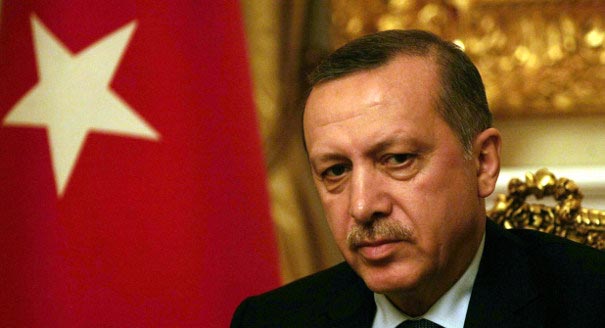
Since Turkey’s failed coup, the workings of religion in Turkish political life have become much stronger than ever before in recent years.
Source: Euronews
Following the failed coup attempt in Turkey, Euronews spoke to Marc Pierini, a visiting scholar at Carnegie Europe in Brussels, whose research focuses on developments in the Middle East and Turkey from a European perspective.
Gregory Lory, Euronews: What is going to happen in the next few hours and days in Turkey?
Marc Pierini: I would say that the power in Turkey has been visibly shaken, given that not even foreign observers were expecting it. So there is obviously a reaction, a cleansing of the army. But we can see very well that this response is much bigger than just the army. And so the concern in the West, and particularly in Europe is that this is happening outside the rule of law and reinforces the autocratic nature of the regime. At the same time, we are seeing another element, which to me is completely new on this scale – which is that during the takeover on the night of the coup – the imams of the more than 80,000 mosques in Turkey were instructed by the head of religious affairs to gather people in the street, by order of the president. So there is an upsurge of religion, and the workings of religion in Turkish political life which is much stronger than it has ever been in recent years
Lory: Could the coup threaten relations between the EU and Turkey?
Pierini: For the moment, I would say that there is a kind of crisis of confidence because all of this came just days after the Nato summit in Varsovie and at a moment where operations against ISIL are intensifying, particularly because of the attacks in France, Nice and Belgium in March. So at this moment where Nato is offering Turkey more protection, Turkey is expected to take decisive action against ISIL and not be ambivalent. The question is: will there be a delaying effect or an uncertainty over Turkish action in the coalition against ISIL?
Lory: Do the events of the weekend put in question the Migration deal between Turkey and the EU which was signed a few weeks ago?
Pierini: I don’t think so. I think that the deal over refugees will continue, but along its own path. Naturally the problem with the anti-terror laws is linked to the visa liberalisation, and Turkey is not going to accept that now, given that even several weeks ago it wouldn’t accept revising the law. So this condition is by the wayside, and the liberalisation of visas is also by the wayside. Where there is a bigger concern right now, and nothing to do with the refugee issue, is that Turkey has been talking openly in the last couple of days about bringing back the death penalty. As everyone knows the death penalty was abolished in 2004 as one of the preliminary conditions for opening negotiations with Turkey. If Turkey were to bring it back that would inevitably mean the suspension of negotiations because it is one of the conerstones of the European concept of the rule of law.
This interview was originally aired by Euronews.

Senior Fellow, Carnegie Europe
Marc Pierini is a senior fellow at Carnegie Europe, where his research focuses on developments in the Middle East and Turkey from a European perspective.
Recent Work
Marc Pierini
Marc Pierini
Carnegie India does not take institutional positions on public policy issues; the views represented herein are those of the author(s) and do not necessarily reflect the views of Carnegie, its staff, or its trustees.

This piece examines India’s response to U.S. sanctions and tariffs, specifically assessing the immediate market consequences, such as alterations in import costs, and the broader strategic implications for India’s energy security and foreign policy orientation.

Vrinda Sahai
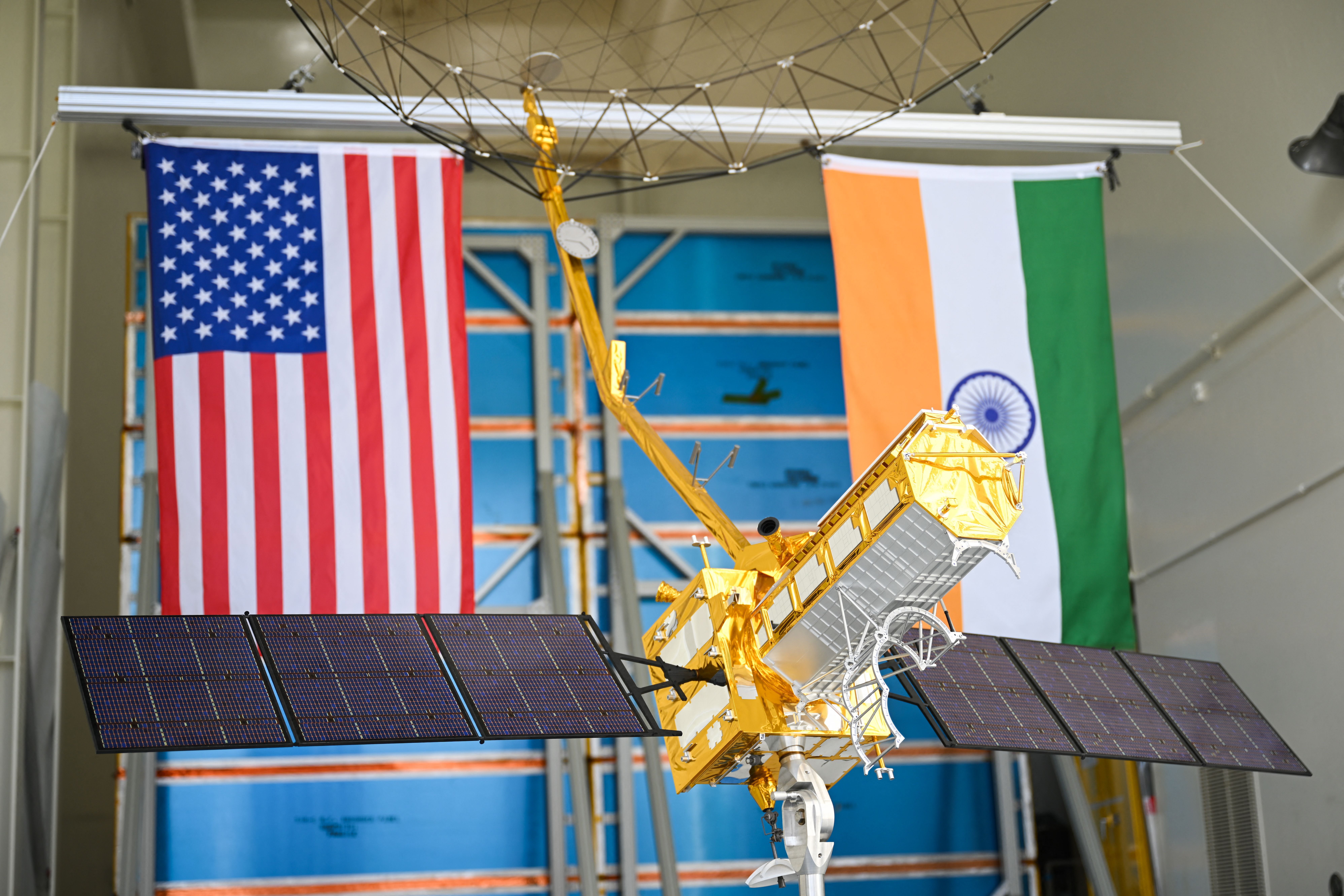
On July 30, 2025, the United States announced 25 percent tariffs on Indian goods. While diplomatic tensions simmered on the trade front, a cosmic calm prevailed at the Sriharikota launch range. Officials from NASA and ISRO were preparing to launch an engineering marvel into space—the NASA-ISRO Synthetic Aperture Radar (NISAR), marking a significant milestone in the India-U.S. bilateral partnership.

Tejas Bharadwaj
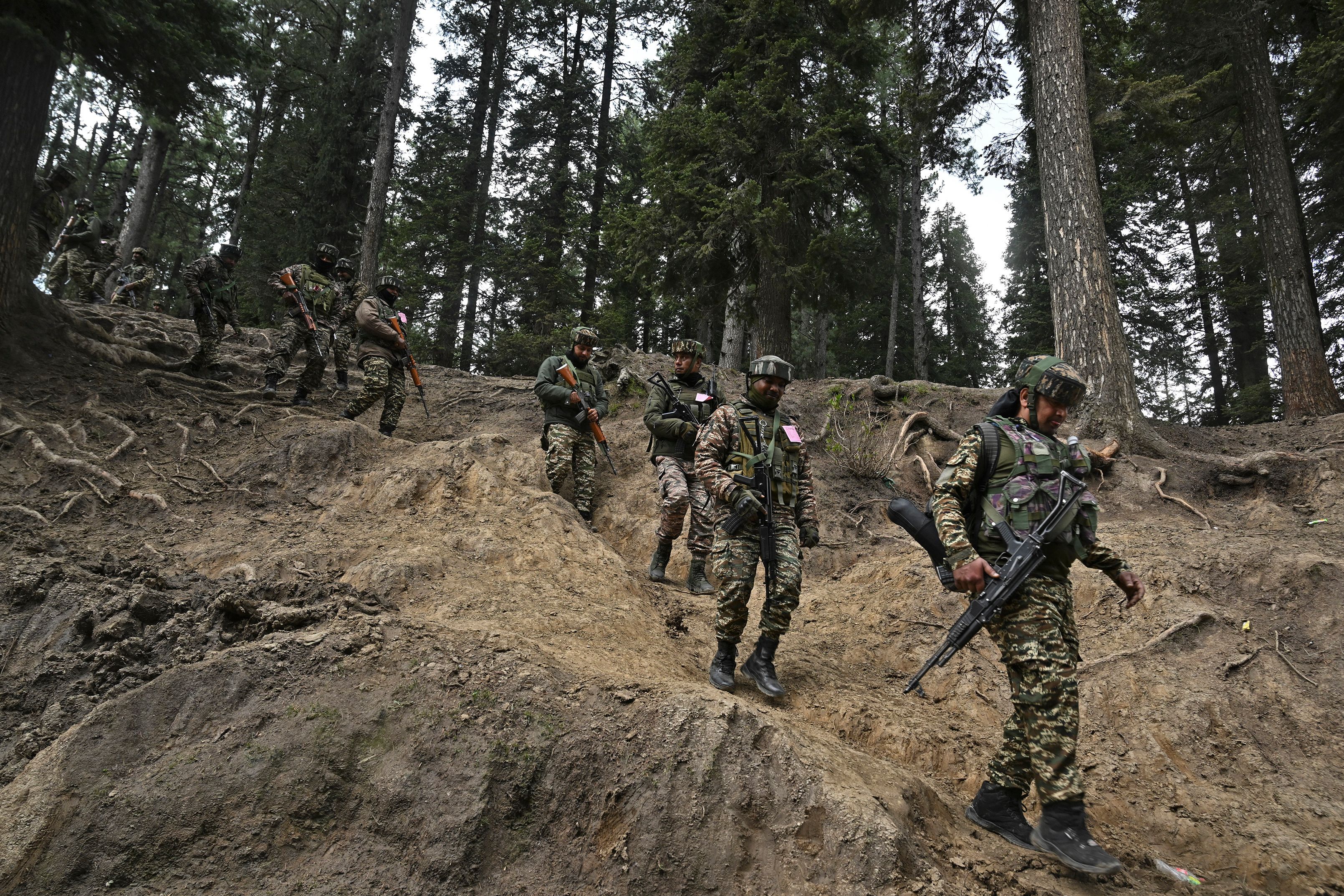
On May 7, 2025, between 1:05 and 1:30 a.m. (IST), airstrikes carried out by the Indian Air Force hit nine locations inside Pakistan and Pakistan occupied Kashmir (PoK). It was codenamed Operation Sindoor.

Rudra Chaudhuri

This compendium brings together three essays by scholars who participated in Carnegie India's Security Studies Dialogue in 2024, each examining a different aspect of China’s policies. Drawing on their expertise and research, the authors offer fresh perspectives on key geopolitical challenges.
Vijay Gokhale, Suyash Desai, Amit Kumar, …

As part of the TRUST initiative, leaders of the two countries committed to building trusted and resilient supply chains, including for semiconductors and critical minerals. India and the United States have made steady progress in this area over the years. This essay explores the takeaways from discussions on semiconductor supply chains that took place at Carnegie India’s 9th Global Technology Summit.

Konark Bhandari