

Paper
Douglas H. Paal
{
  "authors": [
    "Douglas H. Paal"
  ],
  "type": "legacyinthemedia",
  "centerAffiliationAll": "dc",
  "centers": [
    "Carnegie Endowment for International Peace"
  ],
  "collections": [],
  "englishNewsletterAll": "asia",
  "nonEnglishNewsletterAll": "",
  "primaryCenter": "Carnegie Endowment for International Peace",
  "programAffiliation": "AP",
  "programs": [
    "Asia"
  ],
  "projects": [],
  "regions": [
    "North America",
    "United States",
    "East Asia",
    "China",
    "Taiwan"
  ],
  "topics": [
    "Economy",
    "Trade",
    "Foreign Policy"
  ]
}
Source: Getty
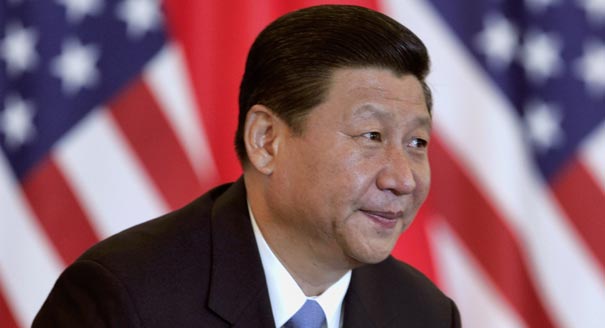
After a period of uncertainty, the Trump administration is now pursuing a more pragmatic policy toward China, at least with regards to the One China policy.
Source: CGTN
Speaking on CGTN, Carnegie’s Douglas H. Paal evaluated the prospects of future U.S.-China cooperation now that President Donald Trump has announced that he will honor the “One China” policy.
Paal welcomed the recent call between Trump and President Xi Jinping as a significant step toward stabilizing the U.S.-China after an initial period of uncertainty. He noted that if the previous Trump administration policy of openly questioning the One China policy were to continue, it would be impossible for Xi to have a constructive relationship with Trump.
The United States has now pursued a more pragmatic approach, said Paal, which matches the Chinese posture of flexibility and adaptability that Xi has adopted in the wake of Trump’s surprise election victory last November.
Paal praised the diplomacy of China’s top two “America watchers”—Yang Jiechi and Cui Tiankai—calling their efforts highly effective.
Moving forward, Paal predicted that future cooperation will depend on Trump’s perception of whether China is willing to significantly adjust trade and investment patterns to create jobs in the United States.
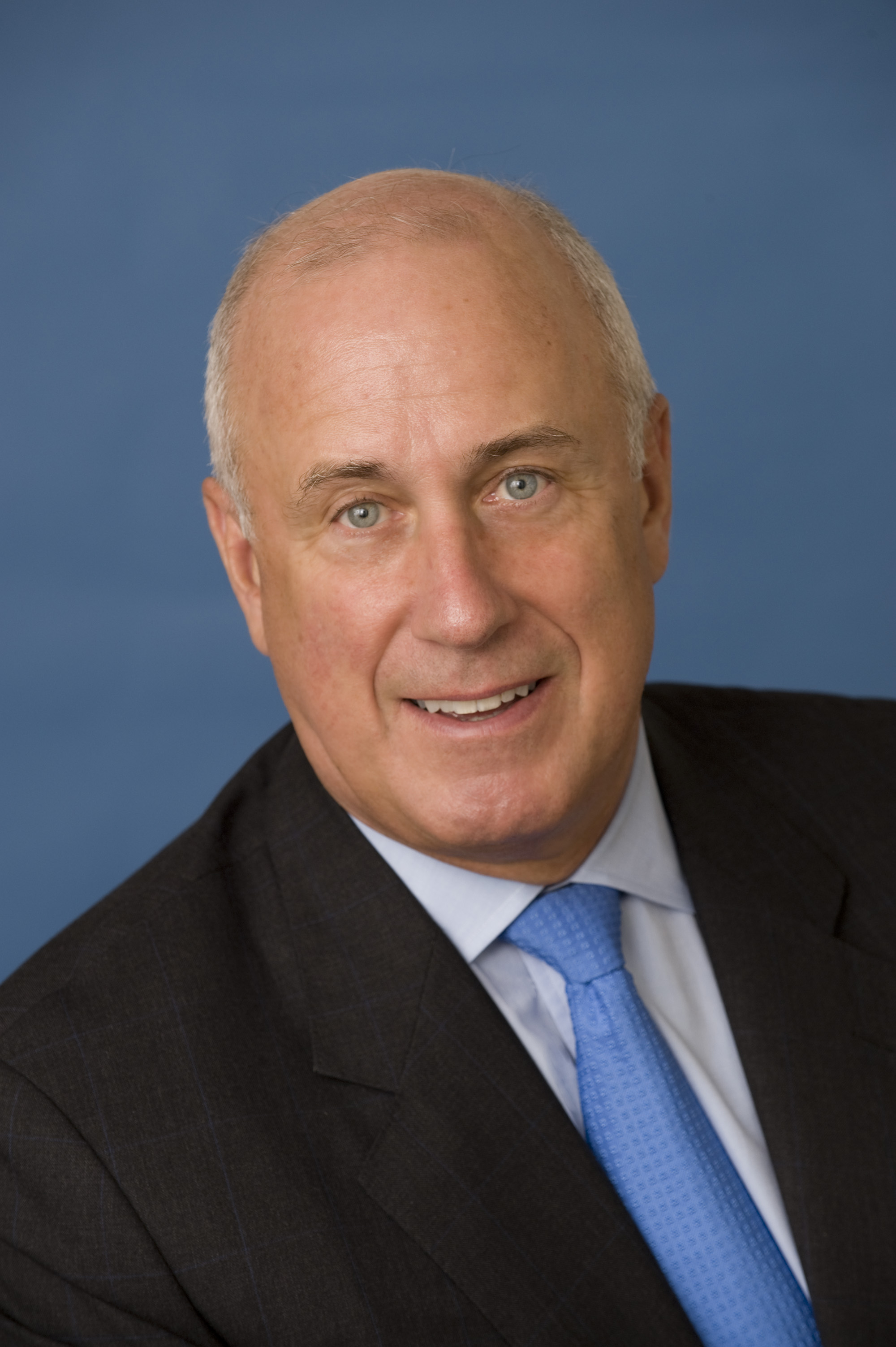
Distinguished Fellow, Asia Program
Paal previously served as vice chairman of JPMorgan Chase International and as unofficial U.S. representative to Taiwan as director of the American Institute in Taiwan.
Recent Work
Douglas H. Paal

Douglas H. Paal, Tong Zhao, Chen Qi, …
Carnegie India does not take institutional positions on public policy issues; the views represented herein are those of the author(s) and do not necessarily reflect the views of Carnegie, its staff, or its trustees.

How is AI reshaping space security, creating governance challenges, and where does international diplomacy stand today?


Tejas Bharadwaj, Almudena Azcárate Ortega

After the chill in ties between 2020 and 2024 that brought India–China relations to their lowest point in several decades, the two countries have engaged each other afresh. This paper argues that there are predominantly four imperatives guiding India’s approach to China, and they exist in an order of priority.

Saheb Singh Chadha

This piece argues that India’s central challenge is not managing a single flashpoint but resolving the underlying tension between expansion and institutional coherency of the BRICS grouping.

Vrinda Sahai

A partnership between India, a country of subcontinental size, and Africa, a continent of fifty-four countries, may seem asymmetric until one notes that both are home to nearly the same number of people—1.4 billion. This essay spells out the existing challenges to the partnership, its optimal potential, and the possible pathways to realize it over the next quarter-century.

Rajiv Bhatia

The U.S.–India semiconductor cooperation story is well-stocked with top-level strategic intent. What remains unresolved, however, are some underlying challenges that will determine whether the cooperation actually functions. Three such friction points stand out.

Shruti Mittal