

Commentary
This piece examines the strategic implications of Bhutan’s diplomatic efforts amid its border dispute with China, highlighting the thin ice it walks on to achieve a resolution without compromising its vital relationships.
Shibani Mehta
{
  "authors": [
    "Toby Dalton",
    "Jon Wolfsthal"
  ],
  "type": "other",
  "centerAffiliationAll": "dc",
  "centers": [
    "Carnegie Endowment for International Peace"
  ],
  "collections": [
    "Korean Peninsula"
  ],
  "englishNewsletterAll": "ctw",
  "nonEnglishNewsletterAll": "",
  "primaryCenter": "Carnegie Endowment for International Peace",
  "programAffiliation": "NPP",
  "programs": [
    "Nuclear Policy"
  ],
  "projects": [],
  "regions": [
    "East Asia",
    "South Korea"
  ],
  "topics": [
    "Nuclear Policy"
  ]
}
Source: Getty
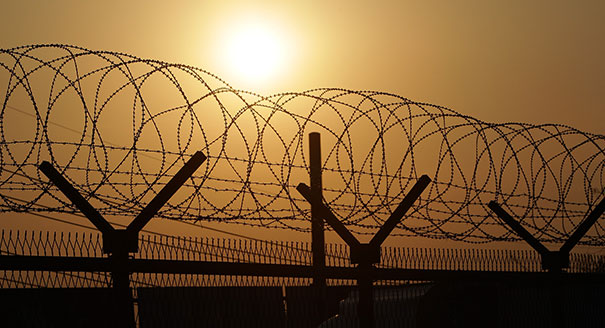
If there were real military or political benefits to redeploying nuclear weapons in South Korea, this idea would be worth a serious review, but redeploying them today makes no sense, and indeed could exacerbate the current crisis over North Korea’s nuclear threats.
Source: Foreign Policy
South Korean officials announced last month that the United States would begin to routinely deploy strategic assets on the Korean Peninsula to help deter North Korea’s nuclear capabilities. The South Korean demand for tangible signals of America’s defense commitment is unlikely to stop there, and prominent South Korean politicians are publicly pushing for the United States to return nuclear weapons to the peninsula. Some American politicians, like Sen. John McCain, have made similar suggestions.
If there were real military or political benefits to redeploying nuclear weapons in South Korea, this idea would be worth a serious review, but redeploying them today makes no sense, and indeed could exacerbate the current crisis over North Korea’s nuclear threats.
Here are seven reasons why the United States should not seek to deploy nuclear weapons in South Korea.
1. Our military does not need them. The United States can hit any target in North Korea from within the United States or elsewhere with precision conventional weapons. If a conflict escalates and requires the use of nuclear weapons, these can be delivered from a variety of existing, secure platforms far from North Korea — and both North and South Korea know it. Stationing nuclear weapons in South Korea would not deter North Korea from periodic tactical provocations, but could increase pressure on North Korea to use nuclear weapons first in a crisis. They would also make tempting targets for North Korean missiles, which can hit all of South Korea.
This article was originally published in Foreign Policy

Senior Fellow and Co-director, Nuclear Policy Program
Toby Dalton is a senior fellow and co-director of the Nuclear Policy Program at the Carnegie Endowment. An expert on nonproliferation and nuclear energy, his work addresses regional security challenges and the evolution of the global nuclear order.

Former Nonresident Scholar, Nuclear Policy Program
Jon Wolfsthal was a nonresident scholar with the Nuclear Policy Program.
Carnegie India does not take institutional positions on public policy issues; the views represented herein are those of the author(s) and do not necessarily reflect the views of Carnegie, its staff, or its trustees.

This piece examines the strategic implications of Bhutan’s diplomatic efforts amid its border dispute with China, highlighting the thin ice it walks on to achieve a resolution without compromising its vital relationships.

Shibani Mehta
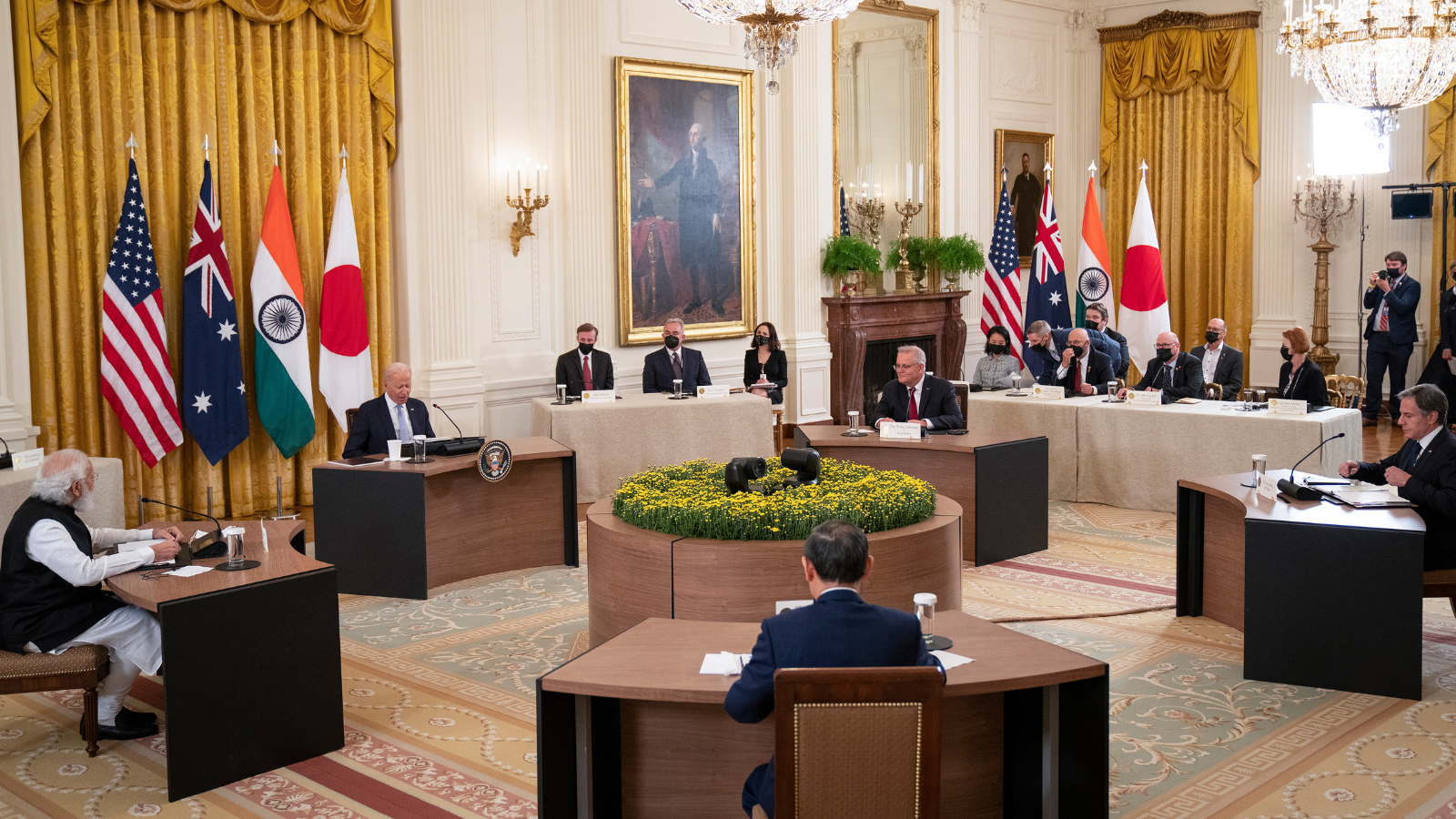
With India set to host the sixth Quad Leaders' Summit in 2024, there is every opportunity for this minilateral to not only develop a DPI initiative but also execute pilots in the Indo-Pacific. This essay shares a rationale for how the four Quad countries could achieve this goal.


Rudra Chaudhuri, Aadya Gupta

How can India navigate export control measures at a time when it is also entering into technology-centric partnerships with other nations to secure enhanced access to advanced technology?

Konark Bhandari
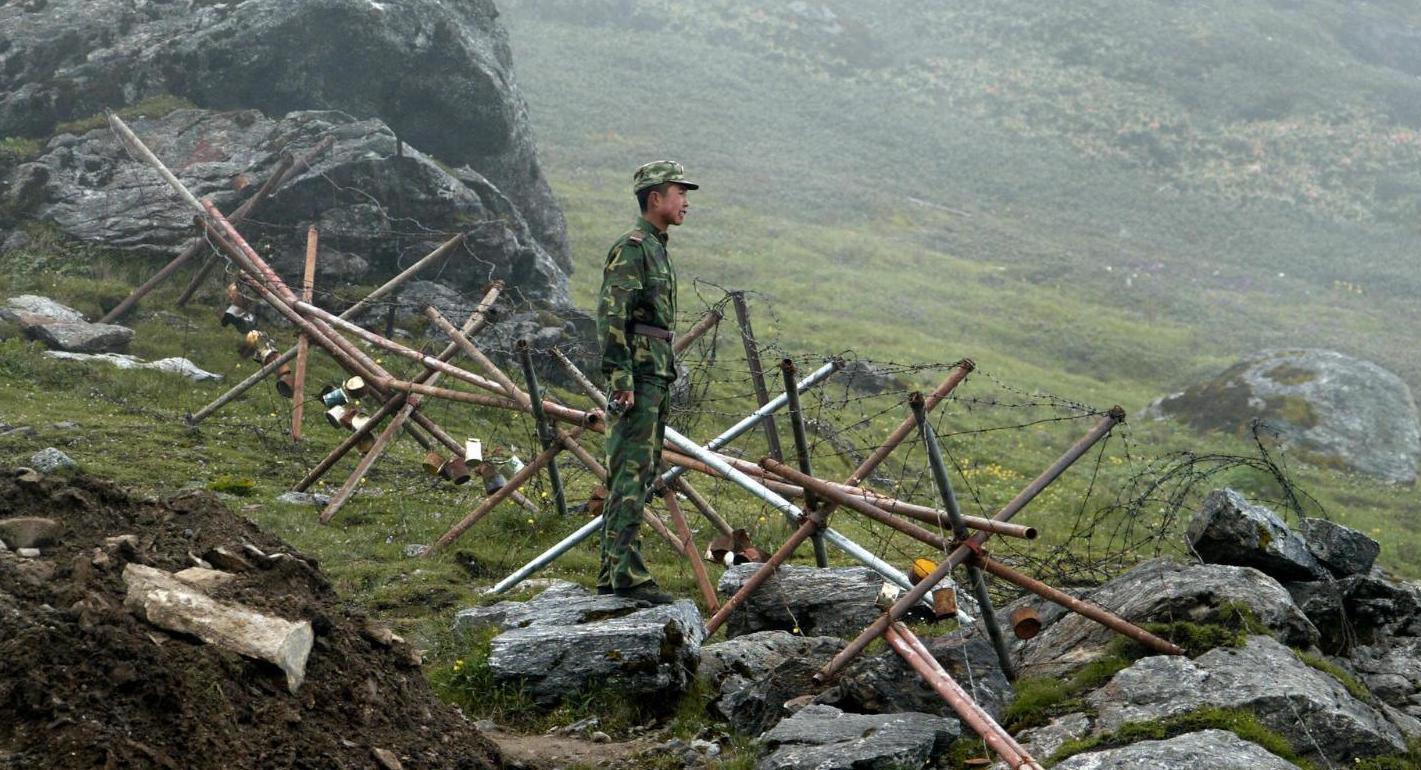
This article examines the significance of the 2013, 2014, and 2015 border standoffs between India and China. It presents a detailed account of the border crises and how the two countries tried to manage them.
Shibani Mehta
Contrary to some recent analyses, this commentary explains why a strategic détente between India and China is unlikely.

Saheb Singh Chadha