

Commentary
This piece examines the strategic implications of Bhutan’s diplomatic efforts amid its border dispute with China, highlighting the thin ice it walks on to achieve a resolution without compromising its vital relationships.
Shibani Mehta
{
  "authors": [
    "Se Young Jang"
  ],
  "type": "other",
  "centerAffiliationAll": "dc",
  "centers": [
    "Carnegie Endowment for International Peace"
  ],
  "collections": [
    "Korean Peninsula"
  ],
  "englishNewsletterAll": "ctw",
  "nonEnglishNewsletterAll": "",
  "primaryCenter": "Carnegie Endowment for International Peace",
  "programAffiliation": "NPP",
  "programs": [
    "Nuclear Policy"
  ],
  "projects": [],
  "regions": [
    "East Asia",
    "South Korea"
  ],
  "topics": [
    "Nuclear Policy"
  ]
}
Source: Getty
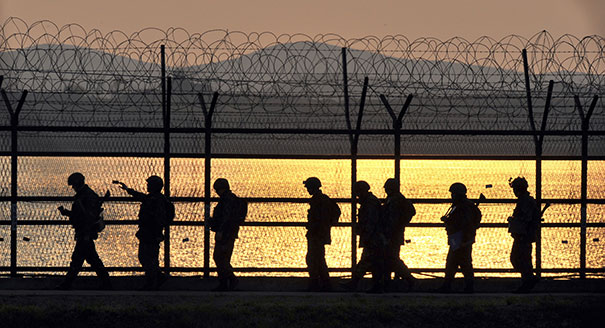
Economic factors alone cannot explain the development of South Korea’s nuclear energy industry.
Source: Chapter in Economic Development and Environmental History in the Anthropocene
How was it possible for resource- and capital-scarce South Korea to launch capital- and technology-intensive nuclear energy projects in the 1960s and 1970s, not long after the devastating Korean War? The development of South Korea’s nuclear energy industry cannot be explained only by economic factors. Jang argues in this edited volume that the political setting—sometimes combined with the external economic environment—also played a significant role in facilitating South Korea’s interests in nuclear energy and further motivating the Park Chung-hee administration to develop indigenous nuclear technology. She emphasizes three specific elements: first, the favorable external environment for nuclear technology transfer under the U.S. Atoms for Peace project in the 1950s helped South Korea gain some basic knowledge and competence in nuclear energy; second, South Korea’s military ambitions to develop nuclear weapons in the 1970s promoted civilian nuclear research and investment because of the nuclear technology’s dual-use characteristics; and last, the competition among nuclear suppliers in the world nuclear market set up a favorable environment for new customers, thereby enabling South Korea relatively easily to acquire highly advanced technology and facilities with sufficient foreign loans.
Former Nonresident Scholar, Nuclear Policy Program
Se Young Jang was a nonresident scholar in the Nuclear Policy Program at the Carnegie Endowment for International Peace.
Carnegie India does not take institutional positions on public policy issues; the views represented herein are those of the author(s) and do not necessarily reflect the views of Carnegie, its staff, or its trustees.

This piece examines the strategic implications of Bhutan’s diplomatic efforts amid its border dispute with China, highlighting the thin ice it walks on to achieve a resolution without compromising its vital relationships.

Shibani Mehta
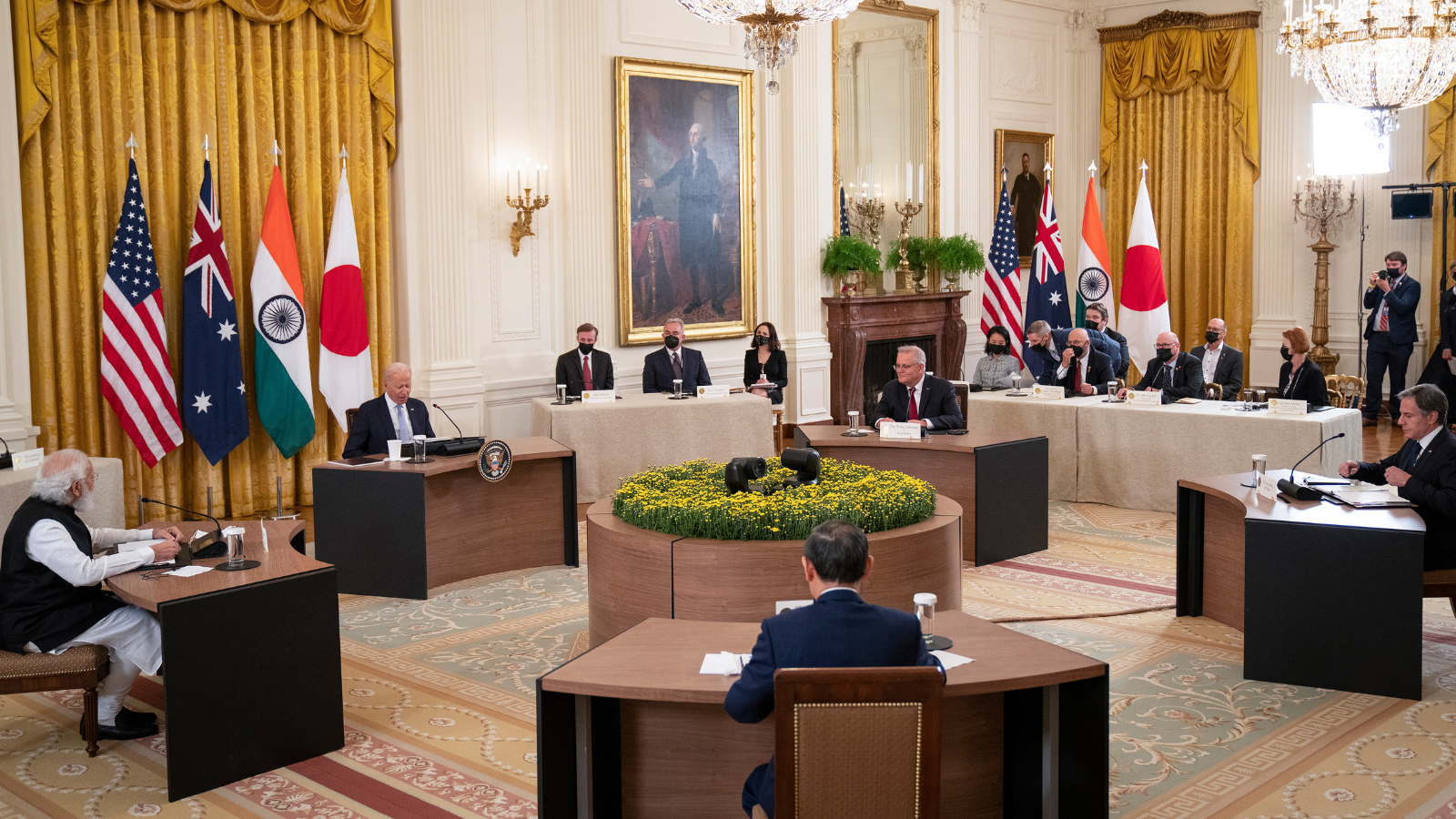
With India set to host the sixth Quad Leaders' Summit in 2024, there is every opportunity for this minilateral to not only develop a DPI initiative but also execute pilots in the Indo-Pacific. This essay shares a rationale for how the four Quad countries could achieve this goal.


Rudra Chaudhuri, Aadya Gupta

How can India navigate export control measures at a time when it is also entering into technology-centric partnerships with other nations to secure enhanced access to advanced technology?

Konark Bhandari
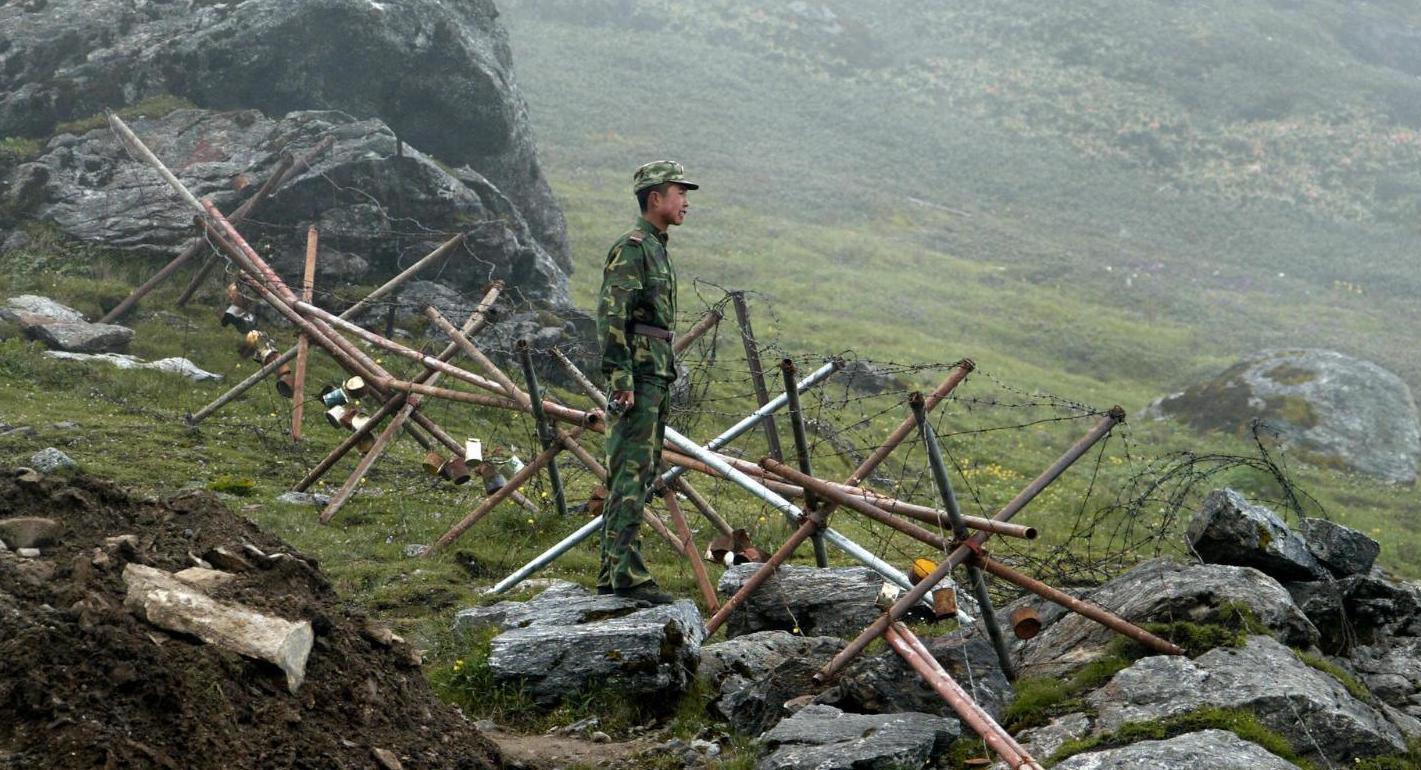
This article examines the significance of the 2013, 2014, and 2015 border standoffs between India and China. It presents a detailed account of the border crises and how the two countries tried to manage them.
Shibani Mehta
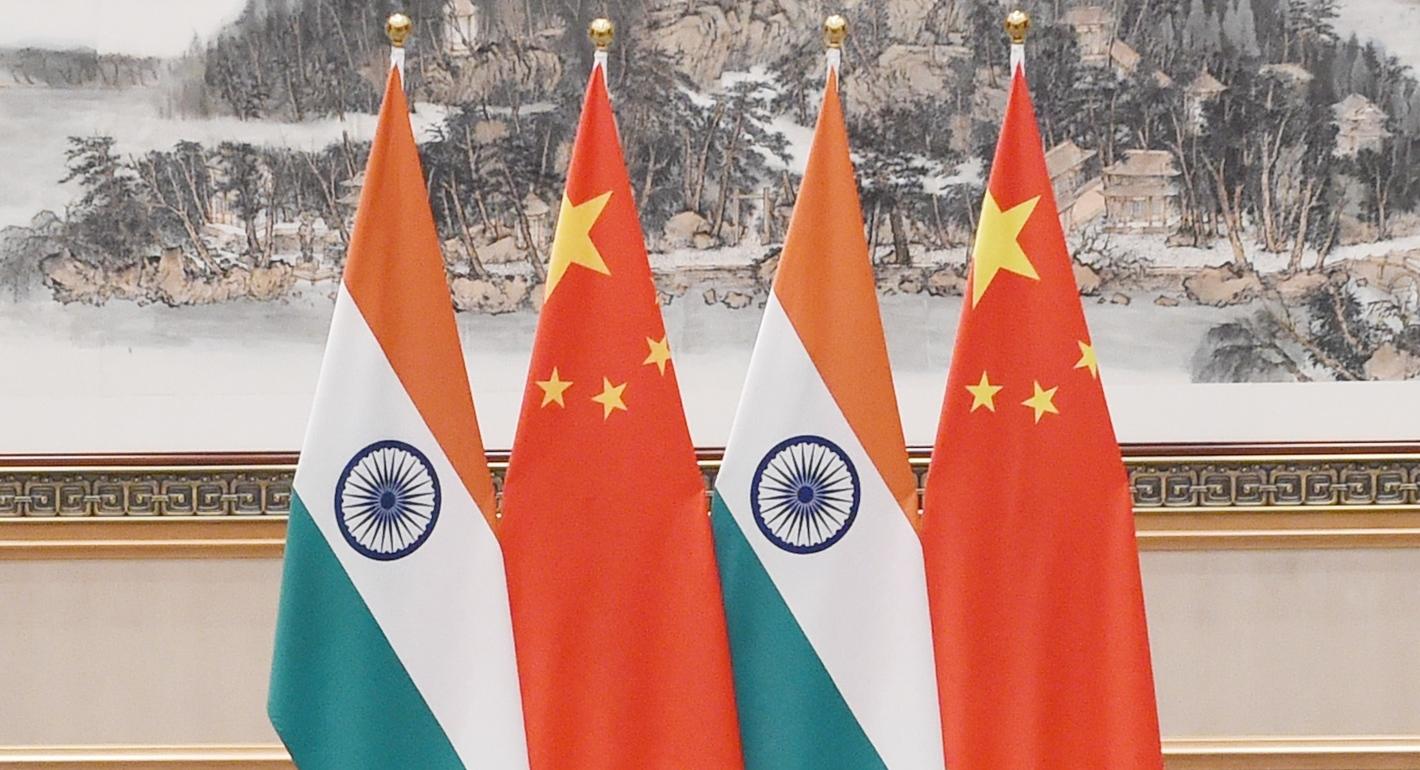
Contrary to some recent analyses, this commentary explains why a strategic détente between India and China is unlikely.

Saheb Singh Chadha