

Article
Carole Nakhle
{
  "authors": [
    "Carole Nakhle"
  ],
  "type": "legacyinthemedia",
  "centerAffiliationAll": "dc",
  "centers": [
    "Carnegie Endowment for International Peace",
    "Malcolm H. Kerr Carnegie Middle East Center"
  ],
  "collections": [],
  "englishNewsletterAll": "menaTransitions",
  "nonEnglishNewsletterAll": "",
  "primaryCenter": "Malcolm H. Kerr Carnegie Middle East Center",
  "programAffiliation": "MEP",
  "programs": [
    "Middle East"
  ],
  "projects": [
    "Carnegie Oil Initiative"
  ],
  "regions": [
    "Gulf",
    "Middle East"
  ],
  "topics": [
    "Economy",
    "Climate Change"
  ]
}
Source: Getty
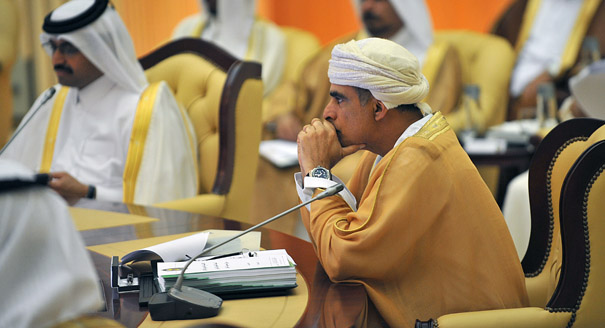
Oman recently became the first Middle Eastern country to join the very small club of unconventional oil and gas producers, currently led by the United States.
Source: Geopolitical Intelligence Services
In the global landscape of oil and gas markets, the Sultanate of Oman is dwarfed by its Middle Eastern neighbors. This is hardly surprising given that its proven oil and gas reserves are a tiny fraction of those of its peers. With a long-standing investment-friendly policy, however, the sultanate has been successful in deploying the latest technology not only to reverse its oil production decline, but also to reach record levels and tap unconventional resources trapped in some of the most complex and deepest geological formations known in the industry.
Oman has been a global leader in the application of Enhanced Oil Recovery, or EOR (also called tertiary recovery) technology. One of Petroleum Development Oman’s oil fields, the Qarn Alam, is the world’s first full-field steam injection EOR project and also the largest of its kind.Oman recently became the first Middle Eastern country to join the very small club of unconventional oil and gas producers, currently led by the United States. In September 2017, production started at its $16 billion Khazzan tight gas field, the largest-scale unconventional gas project in the Middle East.
The full article, originally published by Geopolitical Intelligence Services, is available here.
Former Nonresident Scholar, Middle East Center
Nakhle was a nonresident scholar at Carnegie Middle East Center, specializing in international petroleum contracts and fiscal regimes for the oil and gas industry, world oil and gas market developments, energy policy, and oil and gas revenue management.
Recent Work
Carole Nakhle
Carole Nakhle
Carnegie India does not take institutional positions on public policy issues; the views represented herein are those of the author(s) and do not necessarily reflect the views of Carnegie, its staff, or its trustees.

On March 10, 2026, India’s Union Cabinet approved amendments to Press Note 3, a regulation that mandated government approval on all foreign direct investment (FDI) from countries sharing a land border with India. This amendment raises questions primarily about whether its stated benefits will materialize and if the risks have been adequately weighed. This piece will address the same.

Konark Bhandari

This piece examines India’s response to U.S. sanctions and tariffs, specifically assessing the immediate market consequences, such as alterations in import costs, and the broader strategic implications for India’s energy security and foreign policy orientation.

Vrinda Sahai

This paper examines the evolution of India-China economic ties from 2005 to 2025. It explores the impact of global events, bilateral political ties, and domestic policies on distinct spheres of the economic relationship.

Santosh Pai
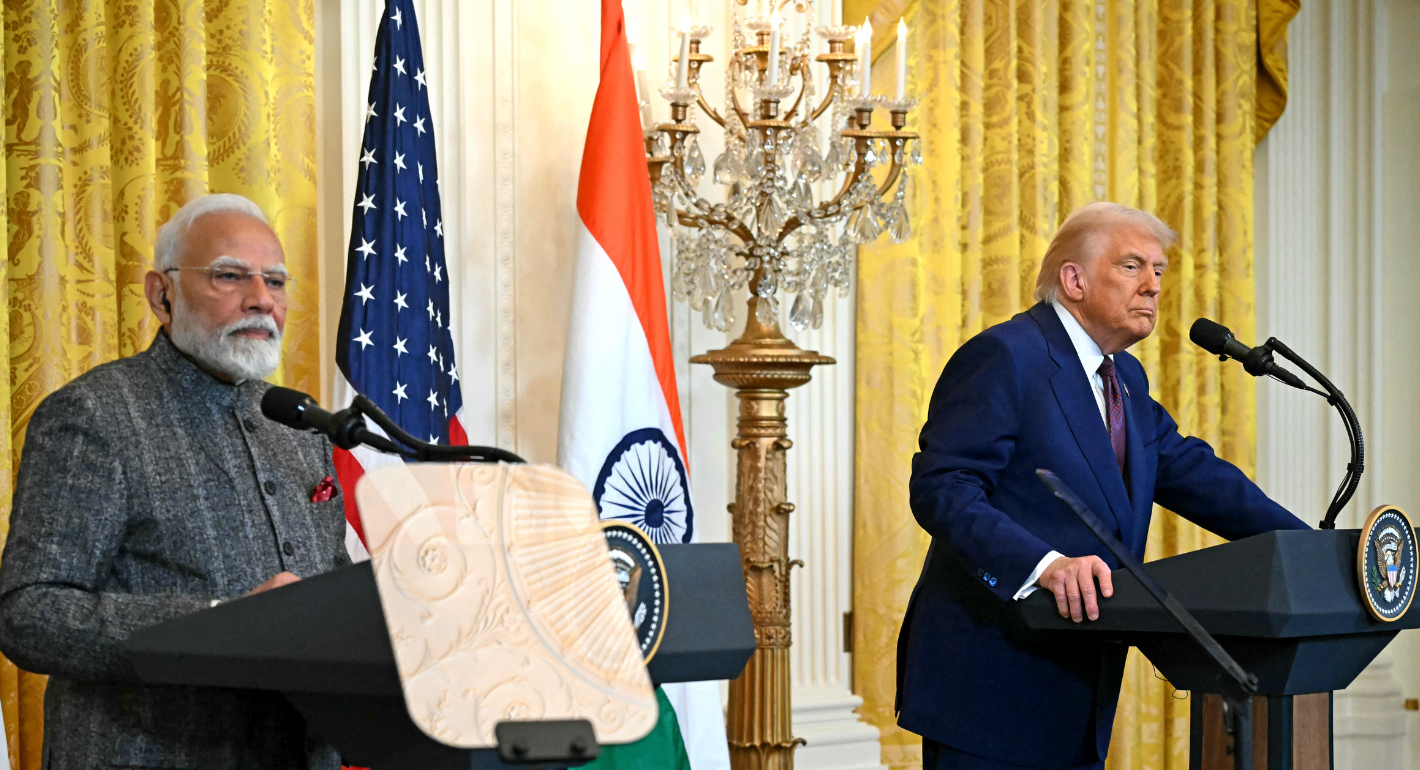
The India-U.S. relationship currently appears buffeted between three “Ts”—TRUST, Tariffs, and Trump.
Arun K. Singh
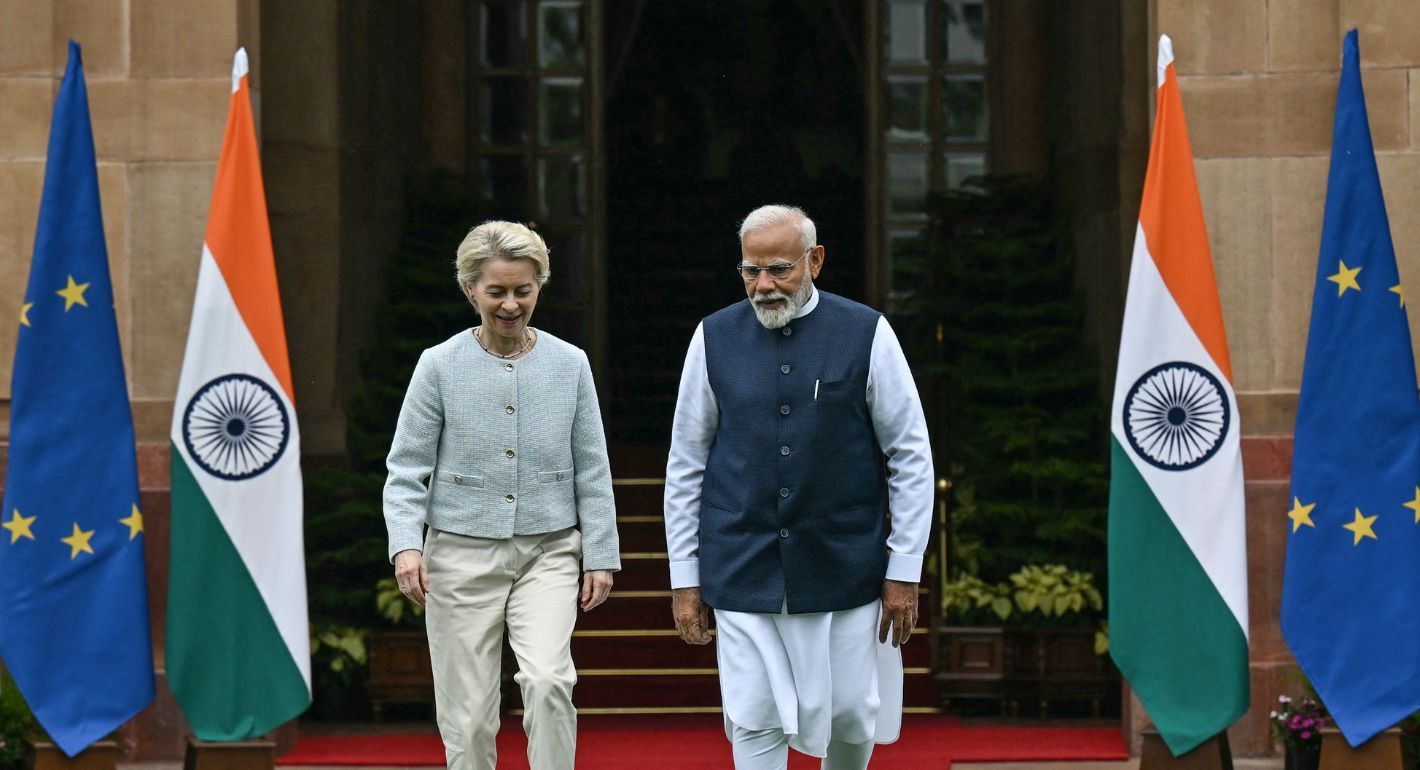
This article argues that the geopolitical circumstances have never been more conducive, not merely for the early conclusion of the free trade agreement (FTA) between India and the EU, but also for crafting a substantive and comprehensive strategic partnership.
Mohan Kumar