

Commentary
- +11
Cornelius Adebahr, Dan Baer, Rosa Balfour, …
{
  "authors": [
    "Erik Brattberg"
  ],
  "type": "other",
  "centerAffiliationAll": "dc",
  "centers": [
    "Carnegie Endowment for International Peace",
    "Carnegie Europe"
  ],
  "collections": [
    "Transatlantic Cooperation",
    "European Defense in a New Transatlantic Context"
  ],
  "englishNewsletterAll": "ctw",
  "nonEnglishNewsletterAll": "",
  "primaryCenter": "Carnegie Endowment for International Peace",
  "programAffiliation": "EP",
  "programs": [
    "Europe"
  ],
  "projects": [],
  "regions": [
    "Western Europe",
    "Europe",
    "North America",
    "Iran"
  ],
  "topics": [
    "Security",
    "Military",
    "Foreign Policy"
  ]
}
Source: Getty
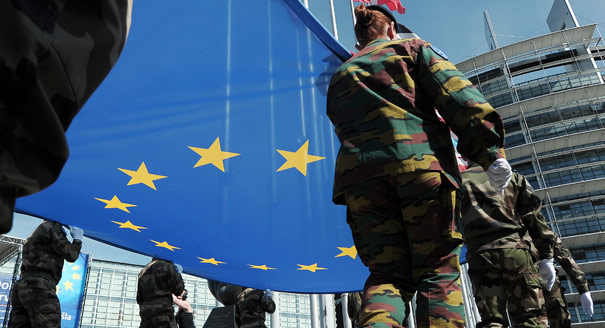
Over the past year, European defense collaboration has arguably made more progress than in the past decade.
Source: German Marshall Fund
Over the past year, European defense collaboration has arguably made more progress than in the past decade. Significantly, unlike past attempts to deepen European defense, there seems to be both genuine political will and a sense of urgency this time around. Although many of the current initiatives date back several years, the election of Donald Trump has raised questions about the continued military reliance on the United States, and Britain’s exit from the EU means less internal opposition to ambitious EU defense proposals. Meanwhile, France’s new president Emanuel Macron has turned out to be a strong proponent of deeper EU defense collaboration. Even NATO seems to welcome a stronger European pillar. Gone are the age-old theological debates about EU versus NATO. Today, it is widely recognized that both organizations play crucial and complementary roles in providing for European security. Recent European defense initiatives, such as Permanent Structured Cooperation (PESCO) and the European Defence Fund (EDF), have the potential to make a distinct contribution to transatlantic security. But success also requires that they are correctly implemented and sufficiently integrated with NATO efforts to avoid duplication. As European capitals contemplate further steps to move forward on European defense collaboration, it is essential that they take into account viewpoints from the other side of the Atlantic.
This policy brief was originally published by the German Marshall Fund.

Former Director, Europe Program, Fellow
Erik Brattberg was director of the Europe Program and a fellow at the Carnegie Endowment for International Peace in Washington. He is an expert on European politics and security and transatlantic relations.
Recent Work



Cornelius Adebahr, Dan Baer, Rosa Balfour, …

Erik Brattberg, Philippe Le Corre, Paul Stronski, …
Carnegie India does not take institutional positions on public policy issues; the views represented herein are those of the author(s) and do not necessarily reflect the views of Carnegie, its staff, or its trustees.

In any defense establishment, change is an ongoing process. However, despite the best of intentions, existing bureaucracies, bound by habit and years of socialization, have their limits in implementing transformative change.

Anit Mukherjee

After the chill in ties between 2020 and 2024 that brought India–China relations to their lowest point in several decades, the two countries have engaged each other afresh. This paper argues that there are predominantly four imperatives guiding India’s approach to China, and they exist in an order of priority.

Saheb Singh Chadha

This piece argues that India’s central challenge is not managing a single flashpoint but resolving the underlying tension between expansion and institutional coherency of the BRICS grouping.

Vrinda Sahai
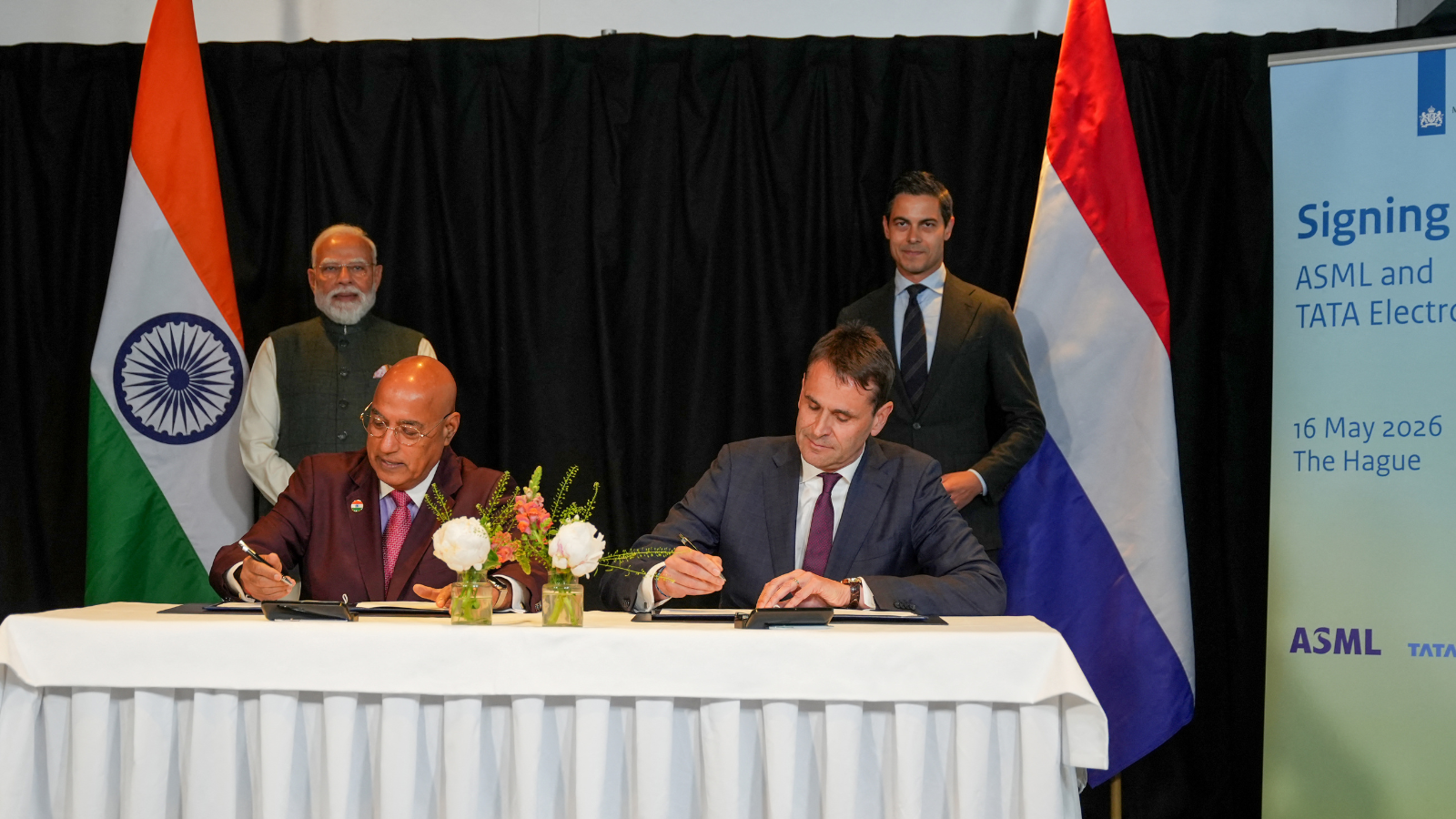
The ASML MoU with Tata Electronics is an indicator of how far the Indian semiconductor ecosystem has come. This ecosystem has been years in the making and represents real commercial logic.

Konark Bhandari

A partnership between India, a country of subcontinental size, and Africa, a continent of fifty-four countries, may seem asymmetric until one notes that both are home to nearly the same number of people—1.4 billion. This essay spells out the existing challenges to the partnership, its optimal potential, and the possible pathways to realize it over the next quarter-century.

Rajiv Bhatia