
• Research
  • About
  • Experts
Carnegie India logoCarnegie lettermark logo
AI
{
  "authors": [
    "Richard Youngs",
    "Michael H. Smith"
  ],
  "type": "other",
  "centerAffiliationAll": "dc",
  "centers": [
    "Carnegie Endowment for International Peace",
    "Carnegie Europe"
  ],
  "collections": [
    "Democracy and Governance"
  ],
  "englishNewsletterAll": "ctw",
  "nonEnglishNewsletterAll": "",
  "primaryCenter": "Carnegie Europe",
  "programAffiliation": "EP",
  "programs": [
    "Europe"
  ],
  "projects": [],
  "regions": [
    "Europe",
    "Western Europe",
    "Iran"
  ],
  "topics": [
    "Foreign Policy",
    "Democracy"
  ]
}

Source: Getty

Other
Carnegie Europe

The EU and the Global Order: Contingent Liberalism

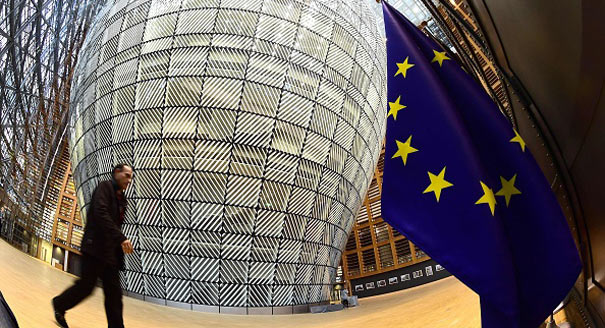
The EU’s approaches to global order and international challenges are increasingly more selective.

Link Copied
By Richard Youngs and Michael H. Smith
Published on Mar 6, 2018

Source: The International Spectator

The European Union has gained a reputation for being the strongest proponent and defender of the liberal global order. It is widely presumed that the EU defends liberal order almost reflexively, as part of its core identity and beyond rationalised cost-benefit calculation. This ostensibly involves firm support for multilateral institutions and norms; open markets and trade liberalisation; cooperative approaches to security; and human rights and democratic values. With the United States and other actors increasingly ambivalent towards the liberal global order, the EU’s commitment to these norms is of unprecedented importance. In some areas of policy, however, the EU’s record in defending the liberal order looks increasingly mixed. Compared to the other actors covered in this special issue, the EU’s trade, foreign and security policies are indeed relatively strongly imbued with liberal principles. Yet, in recent years the EU’s own approaches to global order and international challenges have adopted a more selective or contingent liberalism.

The 2016 EU Global Strategy (EUGS1) contains standard commitments to “rules-based order” but also gestures towards a more flexible or “principled pragmatism” in foreign policy. The strategy does not specify what this might mean in practice, although it does not talk of an especially thick form of liberal order. Instead of trying to second guess the meaning of the Global Strategy’s still largely unimplemented text, we look at actual EU policy changes and assess how ‘liberal’ these are in the way they approach concrete order-related challenges.

We demonstrate the shift to a more contingent liberalism by examining the EU’s recent record in relation to four different challenges: international trade; US leadership; Russian actions in the eastern neighbourhood; and security in the Middle East. We speculate on what this may portend for the EU’s self-identity, European interests and the integrity of the prevailing global order. . . .

Read Full Text

This article was originally published by The International Spectator, vol 53, no. 1 (2018)

About the Authors

Richard Youngs

Senior Fellow, Democracy, Conflict, and Governance Program

Richard Youngs is a senior fellow in the Democracy, Conflict, and Governance Program, based at Carnegie Europe. He works on EU foreign policy and on issues of international democracy.

Michael H. Smith

Authors

Richard Youngs
Senior Fellow, Democracy, Conflict, and Governance Program
Richard Youngs
Michael H. Smith
Foreign PolicyDemocracyEuropeWestern EuropeIran

Carnegie India does not take institutional positions on public policy issues; the views represented herein are those of the author(s) and do not necessarily reflect the views of Carnegie, its staff, or its trustees.

More Work from Carnegie India

  • Paper
    Threading the Needle: India’s Path Forward with China

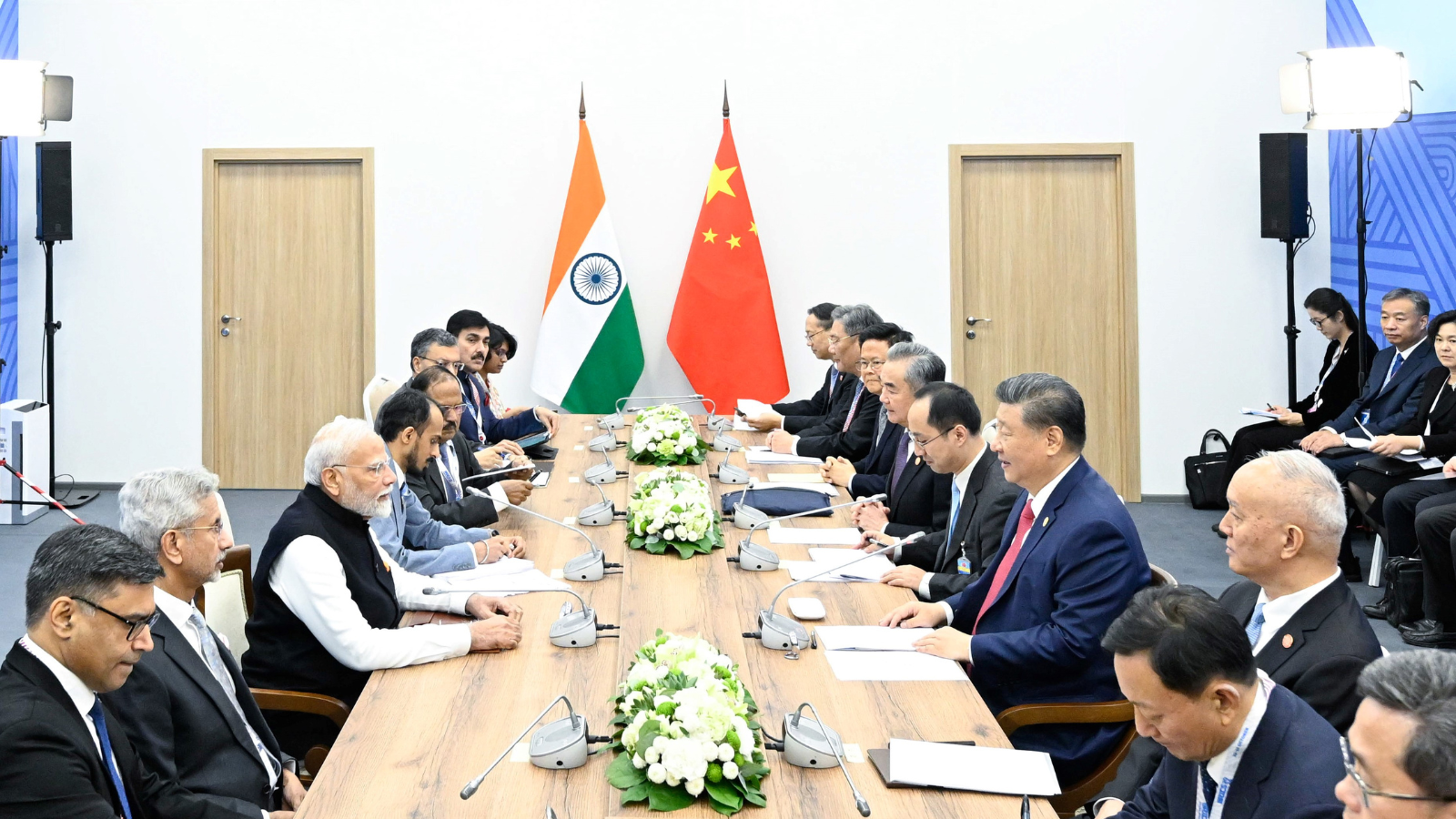
    After the chill in ties between 2020 and 2024 that brought India–China relations to their lowest point in several decades, the two countries have engaged each other afresh. This paper argues that there are predominantly four imperatives guiding India’s approach to China, and they exist in an order of priority.

      Saheb Singh Chadha
  • Article
    Managing Divergence: India’s BRICS Presidency in 2026

    This piece argues that India’s central challenge is not managing a single flashpoint but resolving the underlying tension between expansion and institutional coherency of the BRICS grouping.

      Vrinda Sahai

  • Commentary
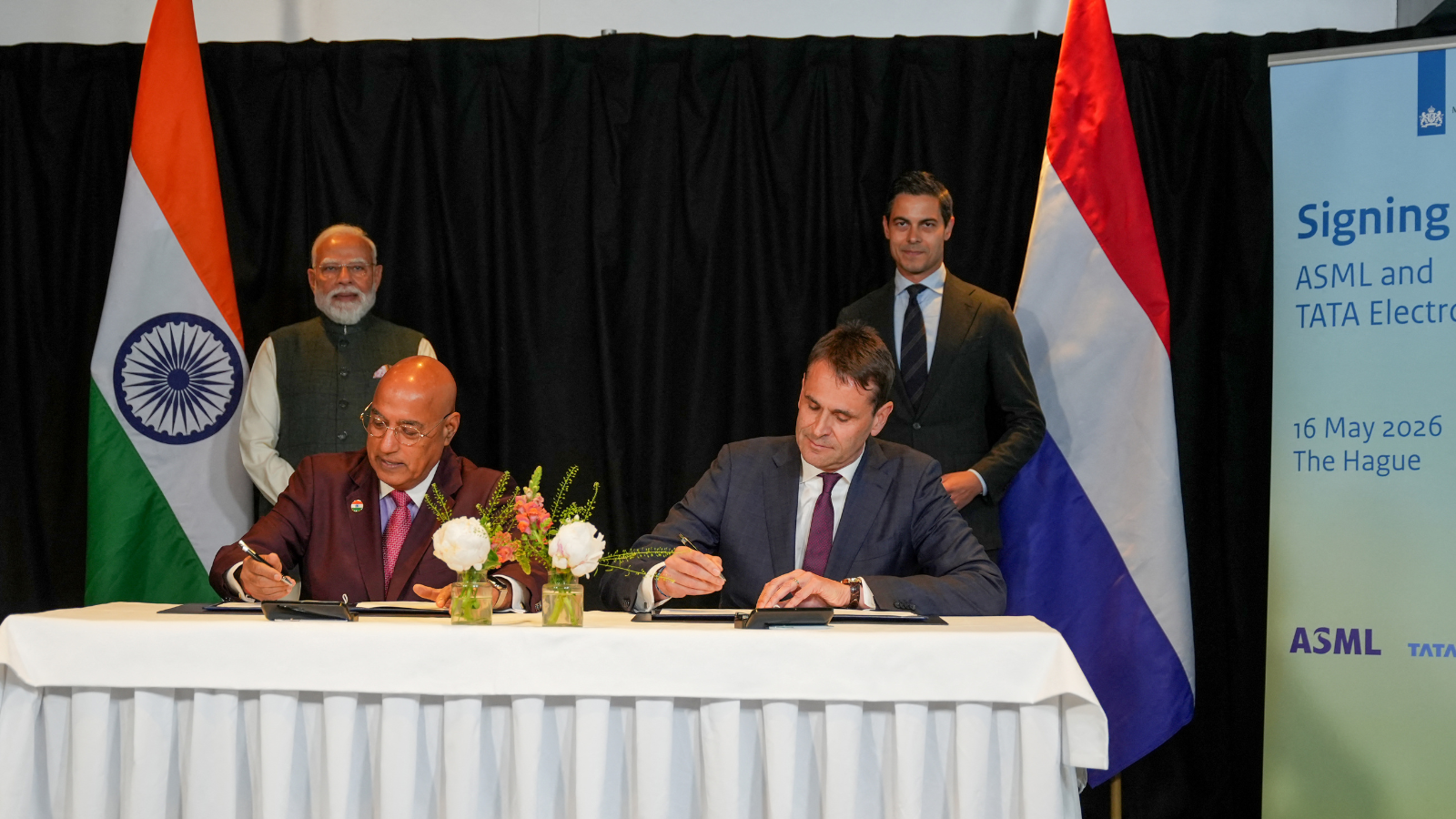
    India’s Semiconductor Ecosystem Is Maturing—and ASML Is Taking Notice

    The ASML MoU with Tata Electronics is an indicator of how far the Indian semiconductor ecosystem has come. This ecosystem has been years in the making and represents real commercial logic.

      Konark Bhandari

  • Article
    India–Africa Strategic Partnership: Challenges, Potential, and Possible Pathways

    A partnership between India, a country of subcontinental size, and Africa, a continent of fifty-four countries, may seem asymmetric until one notes that both are home to nearly the same number of people—1.4 billion. This essay spells out the existing challenges to the partnership, its optimal potential, and the possible pathways to realize it over the next quarter-century.

      Rajiv Bhatia

  • Commentary
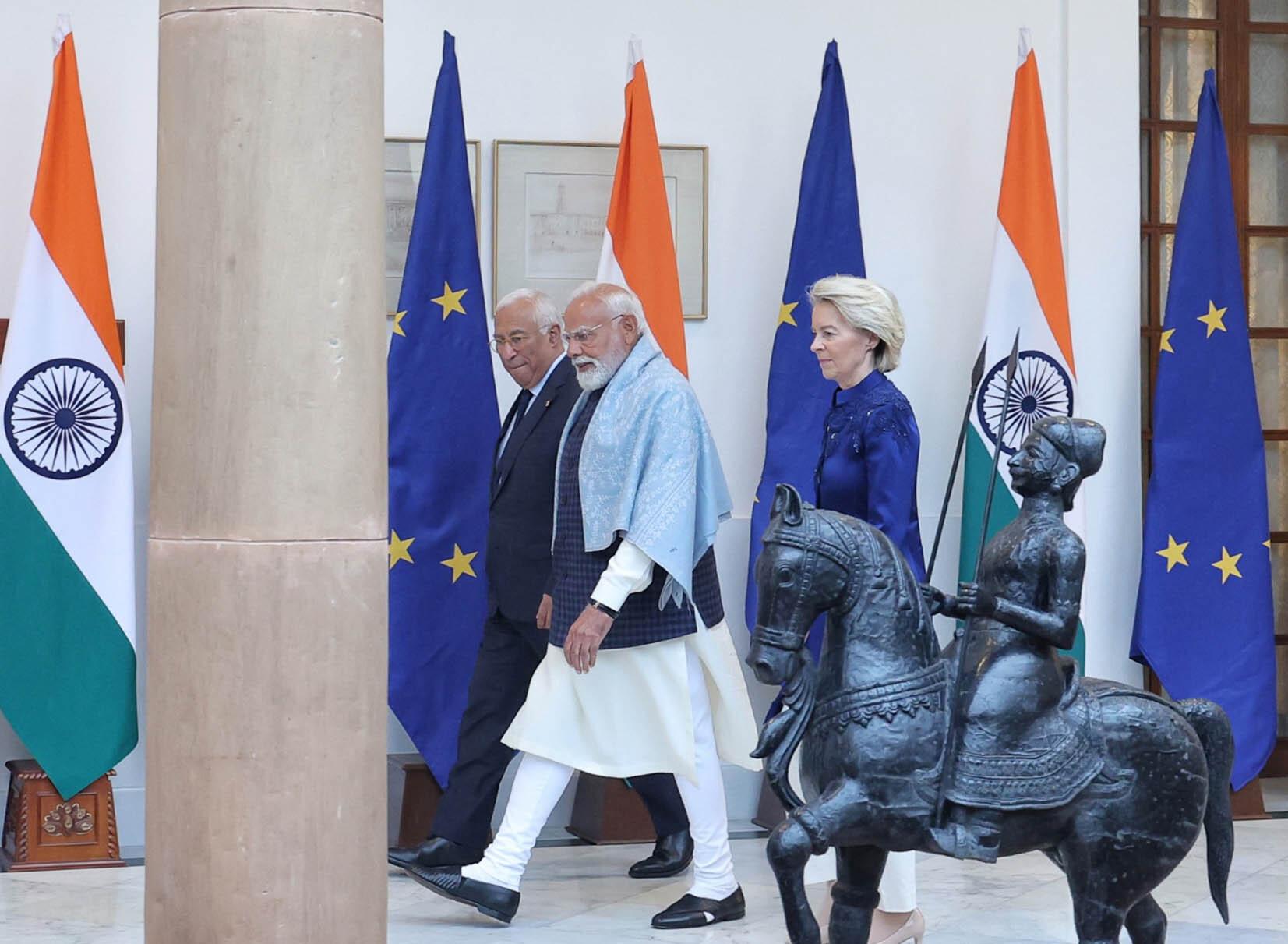
    Emerging From the “Zombie State” of Trade Agreements: The India-EU FTA

    The India–EU Free Trade Agreement (FTA) is shaping up to be one of the most consequential trade negotiations, both economically and strategically. But, what’s in the agreement, what’s missing, and what will determine its success in the years ahead

      Vrinda Sahai, Nicolas Köhler-Suzuki

Get more news and analysis from
Carnegie India
Carnegie India logo, white
Unit C-4, 5, 6, EdenparkShaheed Jeet Singh MargNew Delhi – 110016, IndiaPhone: 011-40078687
  • Research
  • About
  • Experts
  • Projects
  • Events
  • Contact
  • Careers
  • Privacy
  • For Media
Get more news and analysis from
Carnegie India
© 2026 Carnegie Endowment for International Peace. All rights reserved.