

• Research
  • About
  • Experts
Carnegie India logoCarnegie lettermark logo
{
  "authors": [
    "Wyatt Hoffman",
    "Tristan Volpe"
  ],
  "type": "other",
  "centerAffiliationAll": "dc",
  "centers": [
    "Carnegie Endowment for International Peace"
  ],
  "collections": [],
  "englishNewsletterAll": "ctw",
  "nonEnglishNewsletterAll": "",
  "primaryCenter": "Carnegie Endowment for International Peace",
  "programAffiliation": "NPP",
  "programs": [
    "Nuclear Policy"
  ],
  "projects": [],
  "regions": [],
  "topics": [
    "Nuclear Policy",
    "Technology"
  ]
}

Source: Getty

Other

An Internet of Nuclear Things: Emerging Technology and the Future of Supply Chain Security

While new manufacturing technology could increase the efficiency and visibility of nuclear supply-chain operations, the steady trend toward digitization and interconnection could result in unacceptable cyber risks, ranging from the loss of sensitive proprietary information to the spread of compromised components throughout nuclear infrastructure.

Link Copied
By Wyatt Hoffman and Tristan Volpe
Published on Jun 30, 2018

Source: Stanley Foundation

Emerging technologies enabled by digitization—notably additive manufacturing—are alluring for the nuclear industry as it works to lower financial costs and remedy quality-control concerns with aged production lines. While cyberphysical manufacturing technology could increase the efficiency and visibility of supply-chain operations, the steady trend toward digitization and interconnection could result in unacceptable cyber risks, ranging from the loss of sensitive proprietary information to the spread of compromised components throughout nuclear infrastructure.

By building security into this nascent digital ecosystem—an “Internet of Nuclear Things”—firms and other stakeholders could leverage data to mitigate risks with cyber security, intellectual property security, and proliferation. The same information visibility within an Internet of Nuclear Things that would create opportunities for cyberattacks could be harnessed by a range of novel innovations, not only to counter immediate cyber threats but to achieve greater oversight of complex and globally dispersed supply chains.

This paper, and its companion article in the Bulletin of the Atomic Scientists on the potential of an Internet of Nuclear Things for managing proliferation risks, were developed in part through a policy salon dinner that the Stanley Foundation hosted in December 2017.

Read Full Text

This content was originally published by the Stanley Foundation.

About the Authors

Wyatt Hoffman

Former Senior Research Analyst, Cyber Policy Initiative

Wyatt Hoffman was a senior research analyst with the Nuclear Policy Program and the Cyber Policy Initiative at the Carnegie Endowment for International Peace.

Tristan Volpe

Nonresident Fellow, Nuclear Policy Program

Tristan Volpe is a nonresident fellow at the Carnegie Endowment for International Peace and assistant professor of defense analysis at the Naval Postgraduate School.

Authors

Wyatt Hoffman
Former Senior Research Analyst, Cyber Policy Initiative
Tristan Volpe
Nonresident Fellow, Nuclear Policy Program
Tristan Volpe
Nuclear PolicyTechnology

Carnegie India does not take institutional positions on public policy issues; the views represented herein are those of the author(s) and do not necessarily reflect the views of Carnegie, its staff, or its trustees.

More Work from Carnegie India

  • Commentary
    India Signs the Pax Silica—A Counter to Pax Sinica?

    On the last day of the India AI Impact Summit, India signed Pax Silica, a U.S.-led declaration seemingly focused on semiconductors. While India’s accession to the same was not entirely unforeseen, becoming a signatory nation this quickly was not on the cards either.

      Konark Bhandari

  • Commentary
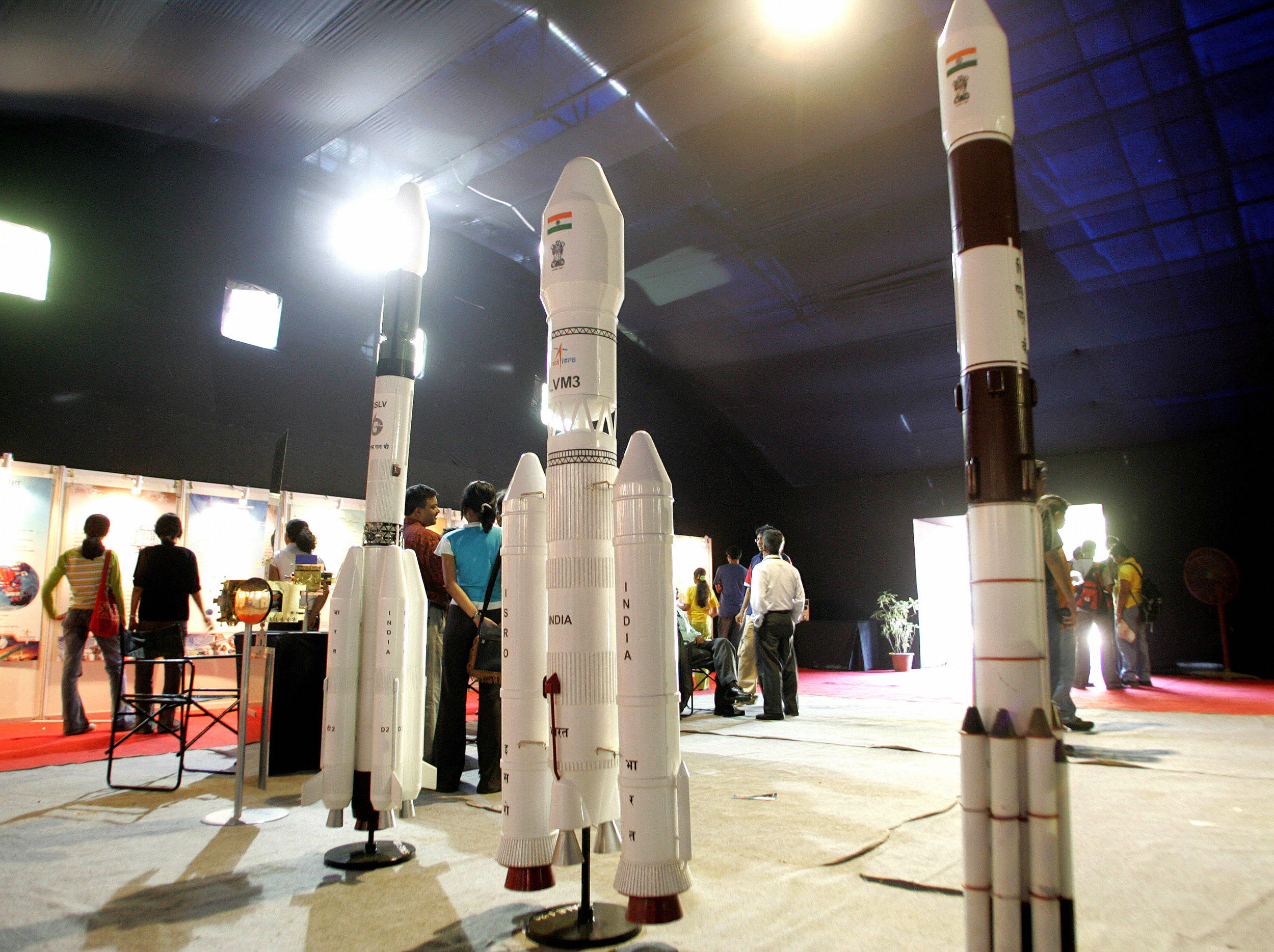
    The PSLV Setback: Restoring India’s Workhorse

    On January 12, 2026, India's "workhorse," the Polar Satellite Launch Vehicle, experienced a consecutive mission failure for the first time in its history. This commentary explores the implications of this incident on India’s space sector and how India can effectively address issues stemming from the incident.

      Tejas Bharadwaj

  • Commentary
    AI Adoption Journey for Population Scale

    Connecting real-world AI use cases across sectors such as health, education, agriculture, and livelihoods can help policymakers, innovators, and institutions align around a shared goal. This article looks at a framework ensuring that AI works for everyone.

      Shalini Kapoor, Tanvi Lall

  • Article
    The State of Digital Transformation in Pacific Island Countries

    Pacific Island Countries are at a pivotal moment in their digital journeys. Across the region, there is growing recognition of digital transformation as a key driver of economic growth, resilience, and global connectivity.

      Shruti Mittal, Adarsh Ranjan

  • Article
    Revisiting the Usage of Refurbished Equipment in India’s Semiconductor Ecosystem

    This article looks at the progress of the Semiconductor Laboratory fab modernization plan based on publicly available documents, and potential learnings for future upgrades to government-owned fabs and India’s larger semiconductor ecosystem, especially regarding the use of refurbished equipment.

      Shruti Mittal, Konark Bhandari

Get more news and analysis from
Carnegie India
Carnegie India logo, white
Unit C-4, 5, 6, EdenparkShaheed Jeet Singh MargNew Delhi – 110016, IndiaPhone: 011-40078687
  • Research
  • About
  • Experts
  • Projects
  • Events
  • Contact
  • Careers
  • Privacy
  • For Media
Get more news and analysis from
Carnegie India
© 2026 Carnegie Endowment for International Peace. All rights reserved.