

Article
Marc Pierini
{
  "authors": [
    "Marc Pierini"
  ],
  "type": "legacyinthemedia",
  "centerAffiliationAll": "dc",
  "centers": [
    "Carnegie Endowment for International Peace",
    "Carnegie Europe",
    "Malcolm H. Kerr Carnegie Middle East Center"
  ],
  "collections": [
    "Turkey’s Transformation"
  ],
  "englishNewsletterAll": "ctw",
  "nonEnglishNewsletterAll": "",
  "primaryCenter": "Carnegie Europe",
  "programAffiliation": "EP",
  "programs": [
    "Europe"
  ],
  "projects": [],
  "regions": [
    "Europe",
    "Türkiye",
    "Middle East",
    "Iran"
  ],
  "topics": [
    "EU",
    "Economy",
    "Political Reform",
    "Democracy"
  ]
}
Source: Getty
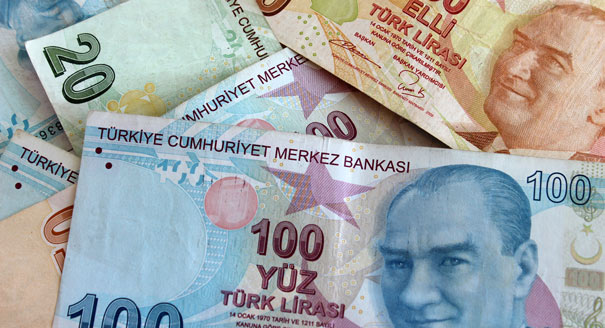
The troubles of the Turkish lira have deep roots. Turkey’s president has driven the economy into a narrow, dead-end alley.
Source: Axios
Details about the U.S–Turkey crisis have been unfolding over the past few days: a pastor as stage hostage, frozen assets for ministers on both sides, tariffs on Turkish exports of aluminum and steel to the U.S., a Trump tweet here, a fiery Erdogan speech there. But this is only the spectacular side of the story.
The big picture: The troubles of the Turkish lira have deep roots. Turkey is a structural-deficit country: It needs both short-term money on a daily basis and foreign direct investment in the long run. While the ruling Justice and Development Party (AKP) initially managed these fundamentals fairly well after it came to power in late 2002, doing so has become incompatible with President Erdogan's autocratic governance.Autocratic countries can survive the absence of rule of law if they sit on a wealth of oil or gas (Saudi Arabia, for example). But Turkey has neither, and its economic survival depends on exports, short-term funding, long-term direct investment, and extensive foreign borrowing. All of these economic lifelines presuppose confidence on international markets, especially in Europe and the U.S.
President Erdogan has done much to undermine that confidence since his first election in 2014, drastically shifting Turkey's political system away from liberal democratic fundamentals toward one-man rule. Erdogan has been fighting the Turkish Central Bank for years, at great risk, against high interest rates, while his desire to create an Islamic class of entrepreneurs has distorted public tenders. With a weakened parliament, a judiciary under political influence, a compromised media, and a permanent propensity to blame all the country’s woes on imaginary enemies, Turkey has seen its international financial rating sharply deteriorate.
The bottom line: Turkey’s president has driven the economy into a narrow, dead-end alley, where measures taken on currency and interest rates run counter to what’s needed, and where the narrative about resisting the U.S. economic “war” will only squeeze the country further.

Senior Fellow, Carnegie Europe
Marc Pierini is a senior fellow at Carnegie Europe, where his research focuses on developments in the Middle East and Turkey from a European perspective.
Recent Work
Marc Pierini
Marc Pierini
Carnegie India does not take institutional positions on public policy issues; the views represented herein are those of the author(s) and do not necessarily reflect the views of Carnegie, its staff, or its trustees.
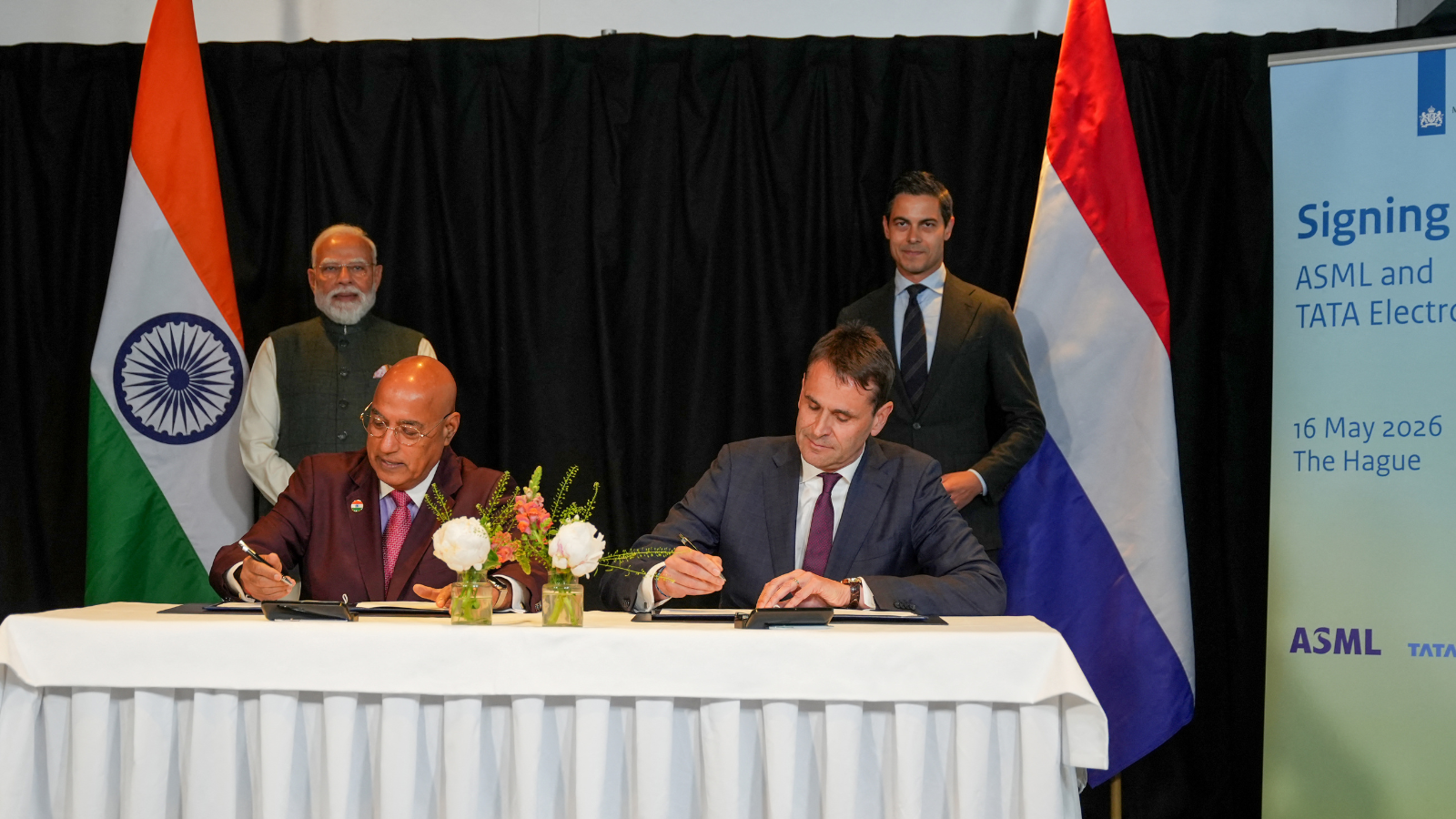
The ASML MoU with Tata Electronics is an indicator of how far the Indian semiconductor ecosystem has come. This ecosystem has been years in the making and represents real commercial logic.

Konark Bhandari

The India–EU Free Trade Agreement (FTA) is shaping up to be one of the most consequential trade negotiations, both economically and strategically. But, what’s in the agreement, what’s missing, and what will determine its success in the years ahead

Vrinda Sahai, Nicolas Köhler-Suzuki

On March 10, 2026, India’s Union Cabinet approved amendments to Press Note 3, a regulation that mandated government approval on all foreign direct investment (FDI) from countries sharing a land border with India. This amendment raises questions primarily about whether its stated benefits will materialize and if the risks have been adequately weighed. This piece will address the same.
Konark Bhandari

This piece examines India’s response to U.S. sanctions and tariffs, specifically assessing the immediate market consequences, such as alterations in import costs, and the broader strategic implications for India’s energy security and foreign policy orientation.
Vrinda Sahai

This paper examines the evolution of India-China economic ties from 2005 to 2025. It explores the impact of global events, bilateral political ties, and domestic policies on distinct spheres of the economic relationship.

Santosh Pai