

Commentary
Judy Dempsey
{
  "authors": [
    "Judy Dempsey"
  ],
  "type": "legacyinthemedia",
  "centerAffiliationAll": "dc",
  "centers": [
    "Carnegie Endowment for International Peace",
    "Carnegie Europe"
  ],
  "collections": [],
  "englishNewsletterAll": "ctw",
  "nonEnglishNewsletterAll": "",
  "primaryCenter": "Carnegie Europe",
  "programAffiliation": "EP",
  "programs": [
    "Europe"
  ],
  "projects": [],
  "regions": [
    "Europe",
    "Western Europe",
    "Germany",
    "Iran"
  ],
  "topics": [
    "EU"
  ]
}
Source: Getty
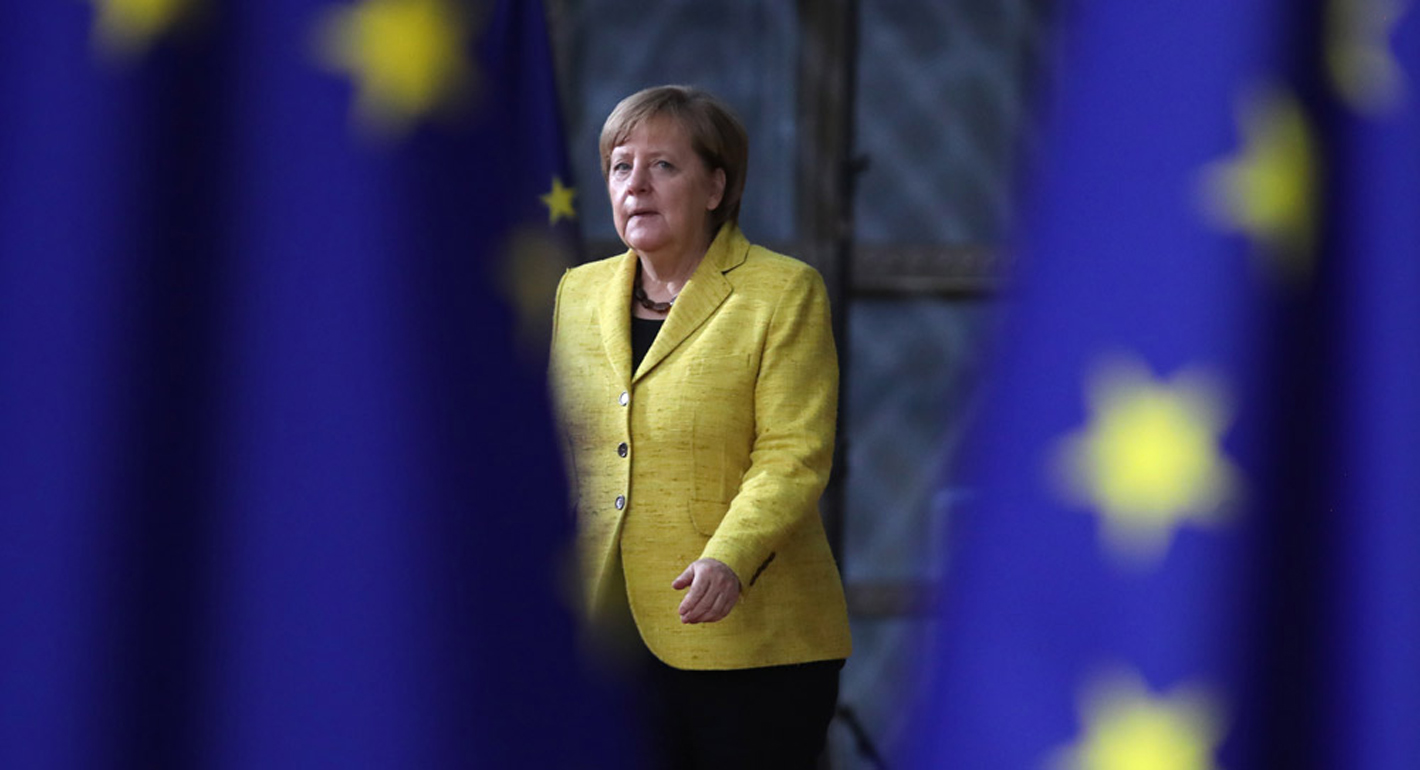
Merkel’s decisions to step down as leader of her party and to not run for reelection in 2021 will have repercussions for Germany, Europe, and the transatlantic relationship.
Source: Axios
German Chancellor Angela Merkel’s decisions to step down as leader of the Christian Democratic Union (CDU) party in December and to not run for re-election in 2021 will have repercussions for Germany, Europe and the transatlantic relationship.
The big picture: Merkel’s leadership has been marked by her commitments to decency, multilateralism and diplomacy. Even in the face of the far-right-wing Alternative für Deutschland (AfD), Germany's center will still hold, but her replacement will probably shift the CDU rightward.
Domestic politics will dominate Germany in the coming months.The CDU has been thrown into a leadership struggle to be settled in December.
Merkel has been a linchpin for the EU, keeping it united during the euro crisis and pushing all 28 member states to impose sanctions on Russia after its illegal 2014 annexation of Crimea and invasion of eastern Ukraine.
The transatlantic alliance will also be tested. There are two trends running throughout Europe:
What’s next: Unless Merkel feels liberated from the daily management of the CDU to make bold moves for Europe’s future, don’t expect any major EU integration or security initiatives from Berlin — at least not before European parliamentary elections are held next spring and a new European Commission has been chosen.

Nonresident Senior Fellow, Carnegie Europe
Judy Dempsey is a nonresident senior fellow at Carnegie Europe
Recent Work
Judy Dempsey
Judy Dempsey
Carnegie India does not take institutional positions on public policy issues; the views represented herein are those of the author(s) and do not necessarily reflect the views of Carnegie, its staff, or its trustees.

The ASML MoU with Tata Electronics is an indicator of how far the Indian semiconductor ecosystem has come. This ecosystem has been years in the making and represents real commercial logic.

Konark Bhandari

The India–EU Free Trade Agreement (FTA) is shaping up to be one of the most consequential trade negotiations, both economically and strategically. But, what’s in the agreement, what’s missing, and what will determine its success in the years ahead

Vrinda Sahai, Nicolas Köhler-Suzuki
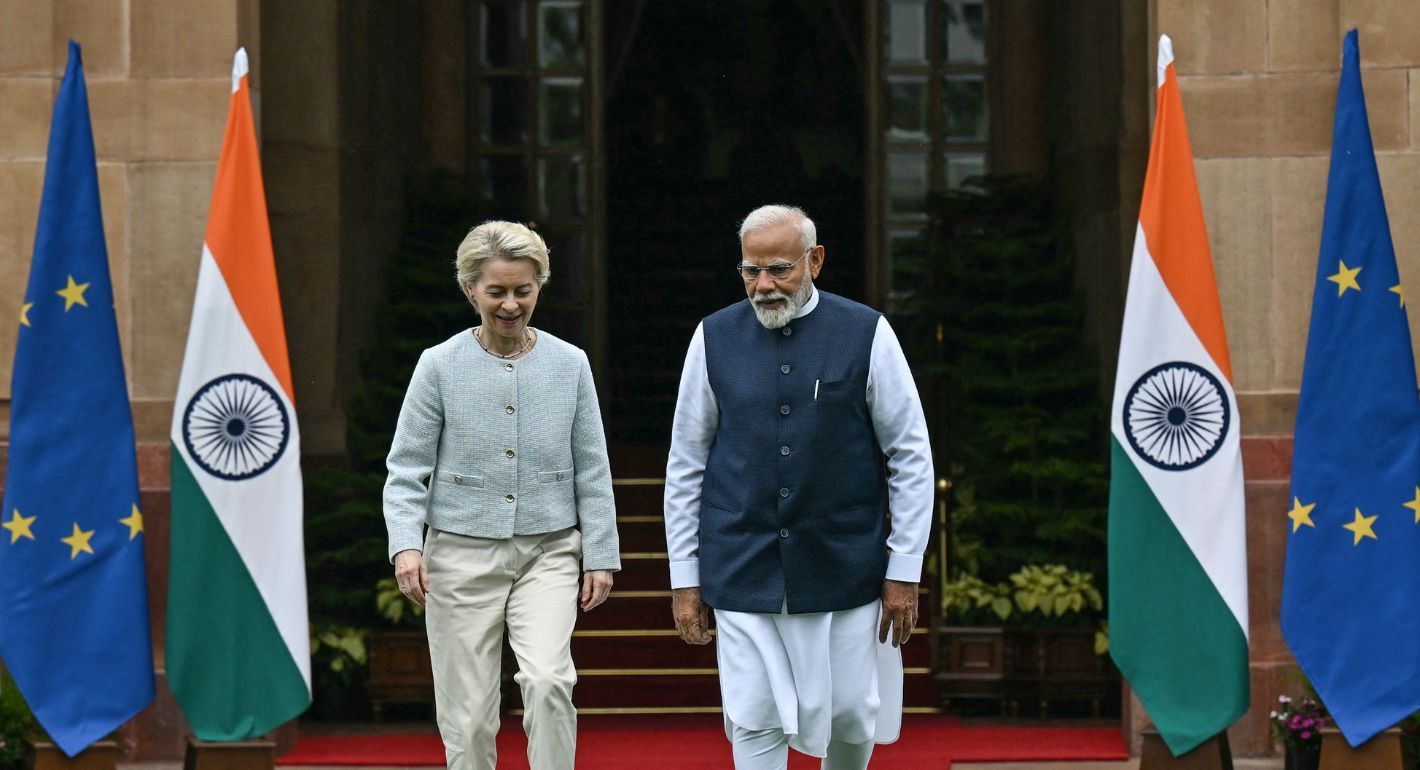
This article argues that the geopolitical circumstances have never been more conducive, not merely for the early conclusion of the free trade agreement (FTA) between India and the EU, but also for crafting a substantive and comprehensive strategic partnership.

Mohan Kumar

With monkeypox being declared a global health emergency, the WHO approach is an innovative and effective way to curb outbreaks of zoonotic diseases.

Shruti Sharma

In India, biotechnology has played an important role in helping stakeholders in academia, industry, and government develop new pandemic-related technology, from test kits to respiratory devices. But these biotechnology advancements can go further to strengthen India’s public health capacity.
Shruti Sharma