

Q&A
Matt Ferchen
{
  "authors": [
    "Matt Ferchen"
  ],
  "type": "other",
  "centerAffiliationAll": "",
  "centers": [
    "Carnegie Endowment for International Peace",
    "Carnegie China"
  ],
  "collections": [
    "China and the Developing World",
    "China’s Foreign Relations"
  ],
  "englishNewsletterAll": "",
  "nonEnglishNewsletterAll": "",
  "primaryCenter": "Carnegie China",
  "programAffiliation": "",
  "programs": [],
  "projects": [],
  "regions": [],
  "topics": [
    "Economy"
  ]
}
Source: Getty
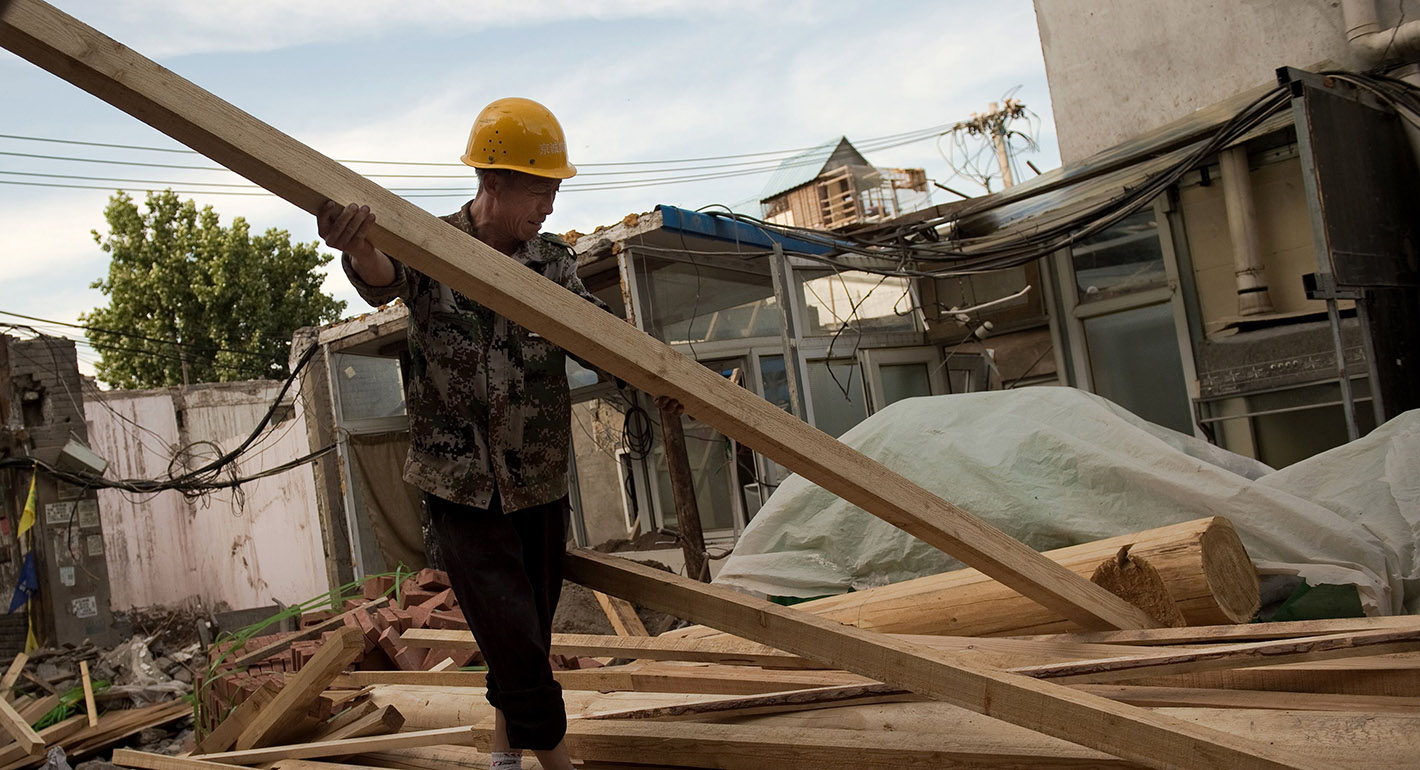
The recent expansion of China’s Belt and Road Initiative into Latin America and the Caribbean (LAC) is unlikely to bring fundamental change to China–LAC economic relations. It may, however, catalyze a more volatile LAC–China–US geopolitical relationship.
Source: International Institute of Strategic Studies
Until quite recently, Chinese officials claimed that Latin America and the Caribbean (LAC) were beyond the central geographic scope of both the continental Eurasian “belt” and the Asian and African maritime “road.” From 2017, however, an increasing number of countries in South and Central America, as well as in the Caribbean, have signed BRI-related memoranda of understanding and announced related business deals, signaling that the BRI has now extended to the Americas. Nevertheless, despite the hype and anxiety surrounding the BRI’s apparent extension to the region, it remains unclear whether its rollout there will change entrenched patterns, challenges and dysfunctions in the China–LAC relationship or merely deepen them. Moreover, at a time of growing U.S.-China strategic rivalry, the expansion of BRI-themed dealmaking in LAC is already playing into growing great power competition and tension.

Former Nonresident Scholar, Carnegie-Tsinghua Center for Global Policy
Ferchen specializes in China’s political-economic relations with emerging economies. At the Carnegie–Tsinghua Center for Global Policy, he ran a program on China’s economic and political relations with the developing world, including Latin America.
Recent Work
Matt Ferchen
Matt Ferchen, Anarkalee Perera
Carnegie India does not take institutional positions on public policy issues; the views represented herein are those of the author(s) and do not necessarily reflect the views of Carnegie, its staff, or its trustees.

On March 10, 2026, India’s Union Cabinet approved amendments to Press Note 3, a regulation that mandated government approval on all foreign direct investment (FDI) from countries sharing a land border with India. This amendment raises questions primarily about whether its stated benefits will materialize and if the risks have been adequately weighed. This piece will address the same.

Konark Bhandari

This piece examines India’s response to U.S. sanctions and tariffs, specifically assessing the immediate market consequences, such as alterations in import costs, and the broader strategic implications for India’s energy security and foreign policy orientation.

Vrinda Sahai

This paper examines the evolution of India-China economic ties from 2005 to 2025. It explores the impact of global events, bilateral political ties, and domestic policies on distinct spheres of the economic relationship.

Santosh Pai

The India-U.S. relationship currently appears buffeted between three “Ts”—TRUST, Tariffs, and Trump.

Arun K. Singh
This article argues that the geopolitical circumstances have never been more conducive, not merely for the early conclusion of the free trade agreement (FTA) between India and the EU, but also for crafting a substantive and comprehensive strategic partnership.

Mohan Kumar