

Article
Thomas Carothers
{
  "authors": [
    "Thomas Carothers"
  ],
  "type": "other",
  "centerAffiliationAll": "dc",
  "centers": [
    "Carnegie Endowment for International Peace"
  ],
  "collections": [
    "Democracy and Governance"
  ],
  "englishNewsletterAll": "democracy",
  "nonEnglishNewsletterAll": "",
  "primaryCenter": "Carnegie Endowment for International Peace",
  "programAffiliation": "DCG",
  "programs": [
    "Democracy, Conflict, and Governance"
  ],
  "projects": [],
  "regions": [
    "Eastern Europe",
    "Western Europe"
  ],
  "topics": [
    "Democracy"
  ]
}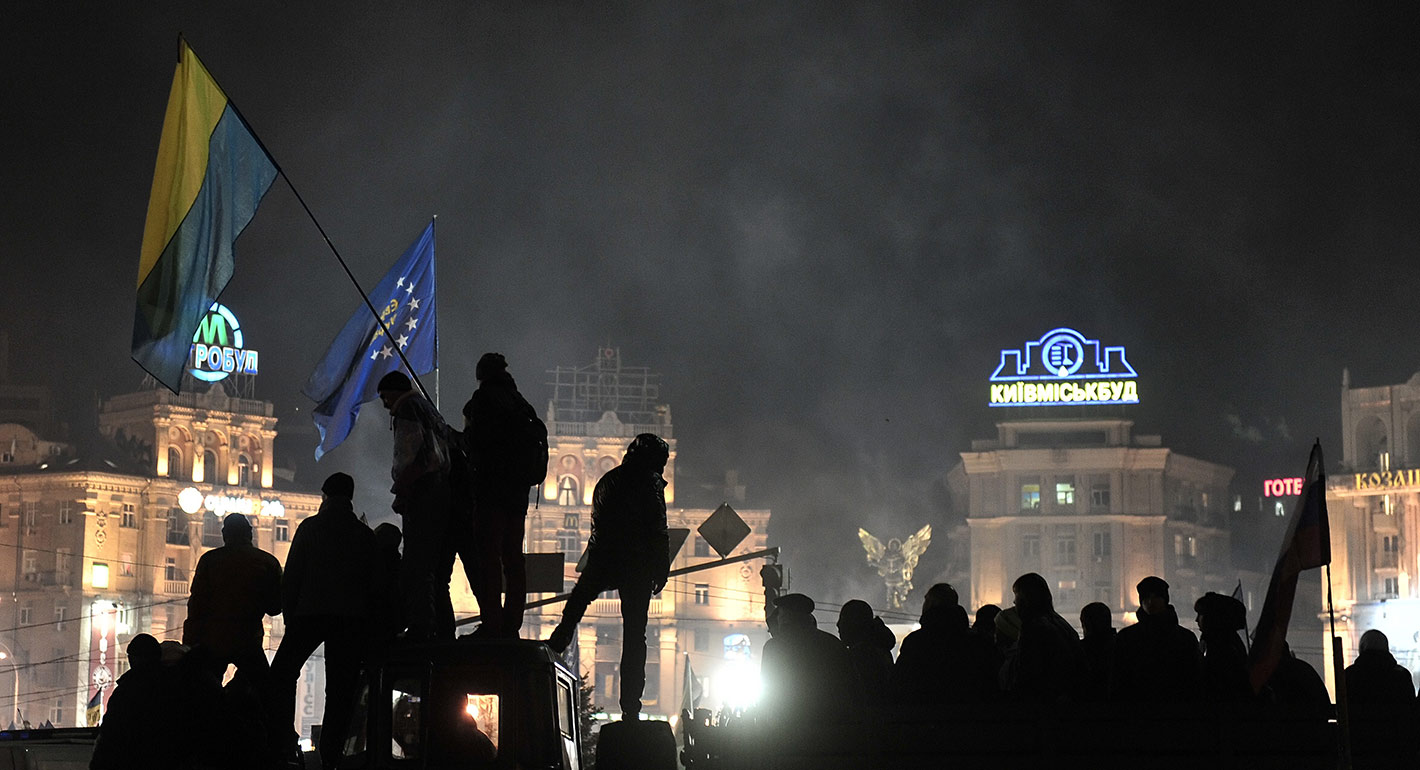
Source: Getty
Sheri Berman’s substantial new history of democracy in Europe offers useful insights on the question of why democracy sometimes succeeds but often does not. Yet Western democracies are now experiencing tectonic shifts, and history offers only a limited guide to understanding their future.
Source: Foreign Affairs
Democracy’s global travails continue to mount. What looked as recently as a decade ago to be real democratic progress in countries as diverse as Brazil, Hungary, South Africa, and Turkey has been either reversed by illiberal strongmen or unsettled by revelations of systemic corruption. Some of the most stirring recent political openings, such as those in Egypt and Myanmar, have slammed shut. The United States and several long-standing democracies in western Europe are struggling with serious democratic challenges, especially the rise of illiberal populist forces. And the two most significant nondemocratic powers, China and Russia, are strutting on the global stage.
This book review was originally published in the May/June edition of Foreign Affairs.

Harvey V. Fineberg Chair for Democracy Studies; Senior Fellow, Democracy, Conflict, and Governance Program
Thomas Carothers, a senior fellow in the Carnegie Endowment for International Peace’s Democracy, Conflict, and Governance Program, is a leading expert on comparative democratization and international support for democracy.
Recent Work
Thomas Carothers
Thomas Carothers
Carnegie India does not take institutional positions on public policy issues; the views represented herein are those of the author(s) and do not necessarily reflect the views of Carnegie, its staff, or its trustees.
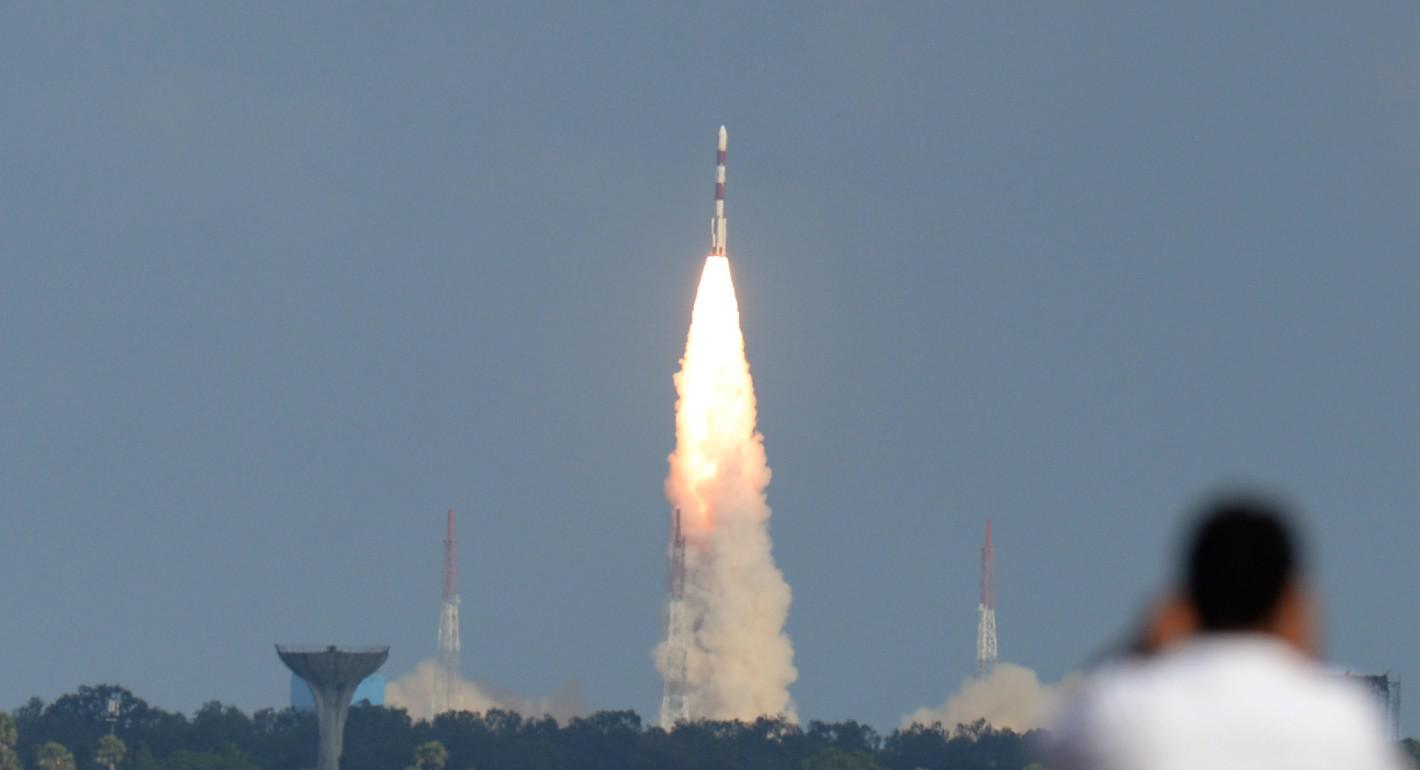
The war in Ukraine has demonstrated that India needs to establish a strong domestic space economy in order to weather geopolitical storms.

Konark Bhandari

Experts weigh in on whether the United States is too hostile toward China.


Stephen Wertheim, Evan S. Medeiros, Vijay Gokhale
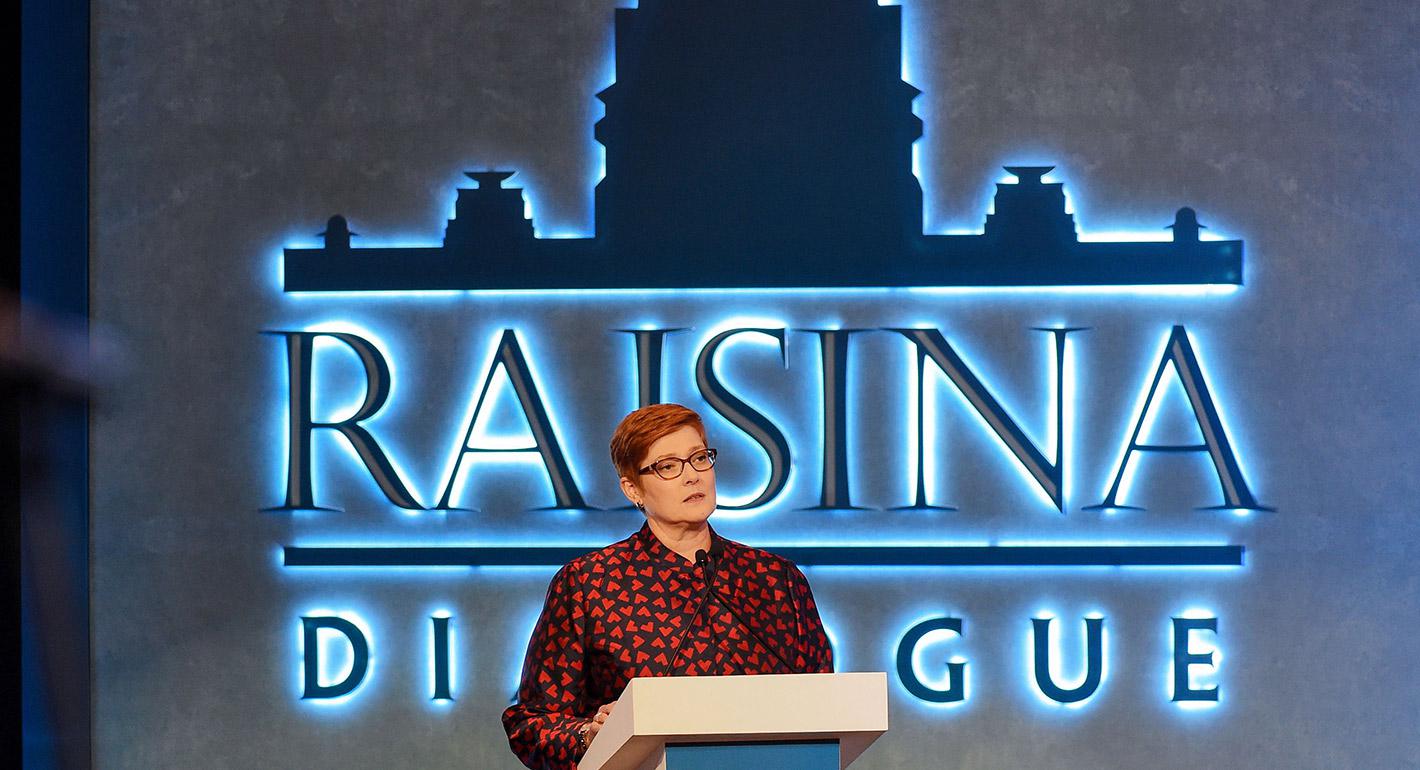
Foreign ministers from India, France, and Australia recently met (virtually) at the Raisina Dialogue, India’s flagship annual conference on geopolitics and geoeconomics. What can they get done if they work together?


Rudra Chaudhuri, Shibani Mehta
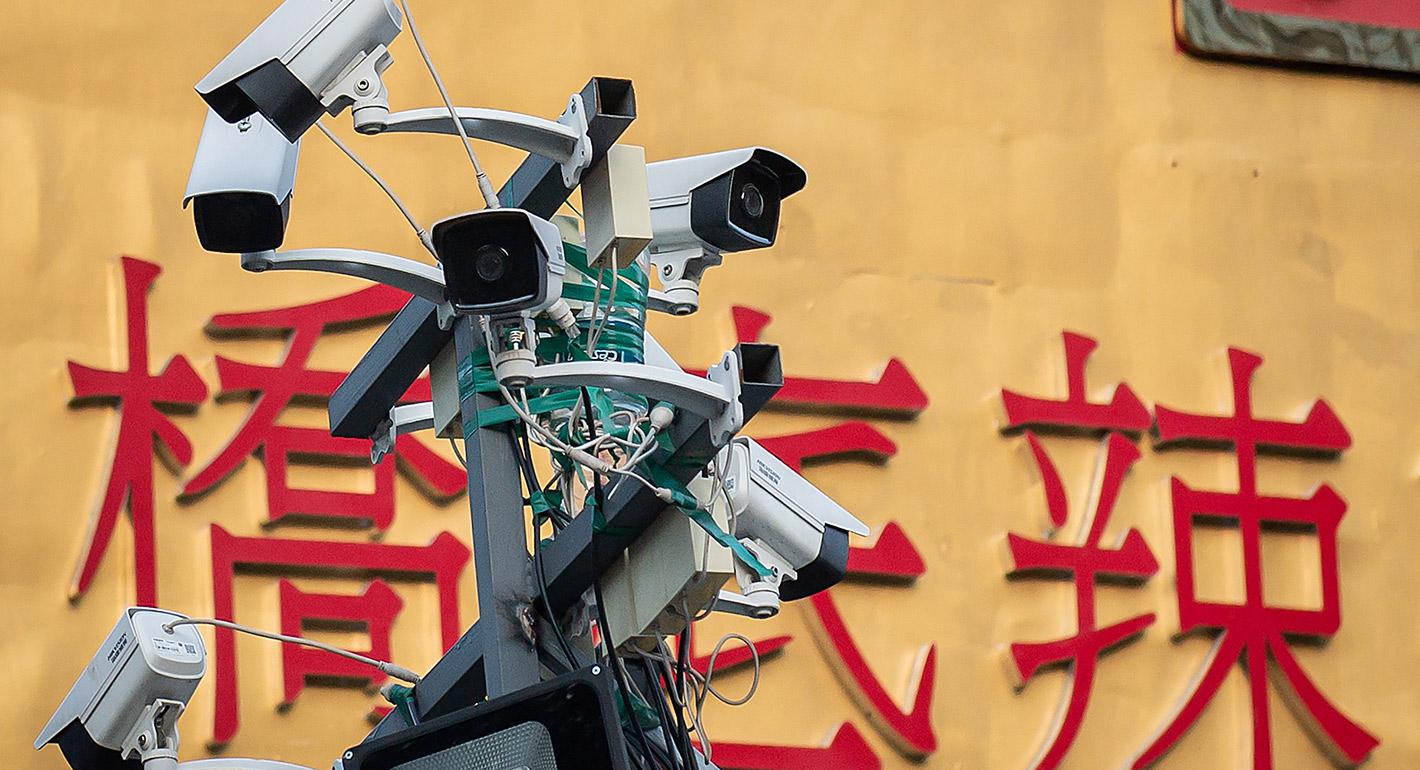
Governments around the world are turning to new forms of digital surveillance to monitor the spread of the coronavirus, though they are mostly using existing laws to do so.

Anirudh Burman
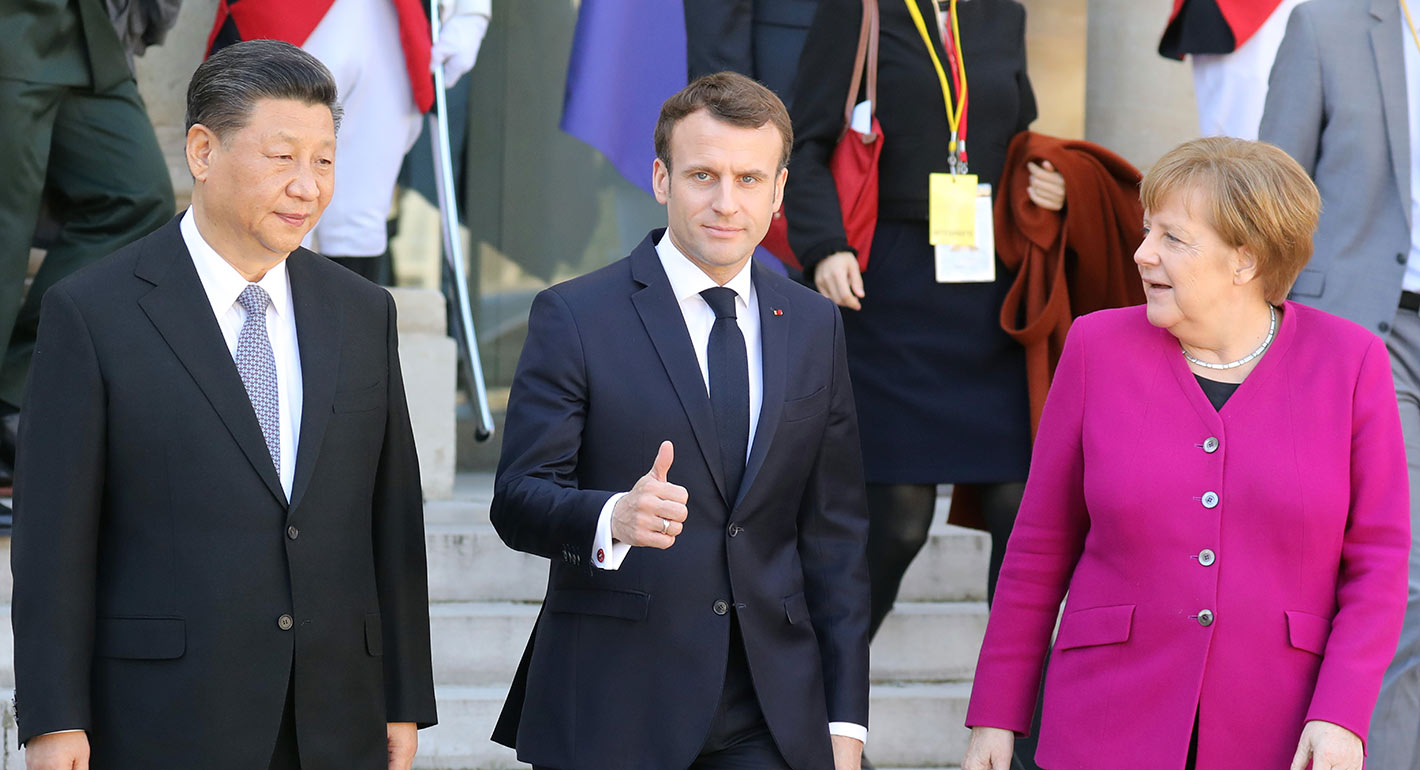
Europe’s huge stakes in the economic stability of Asia, the sea lines of communication connecting Europe and Asia through the Indo-Pacific, and threat of U.S. retrenchment may force Europe to reconsider its role in Asia. Asia needs a robust European contribution to connectivity and security.
C. Raja Mohan, John J. Vater