

Article
Frederic Wehrey, Charles H. Johnson
{
  "authors": [
    "Frederic Wehrey"
  ],
  "type": "other",
  "centerAffiliationAll": "",
  "centers": [
    "Carnegie Endowment for International Peace"
  ],
  "collections": [],
  "englishNewsletterAll": "",
  "nonEnglishNewsletterAll": "",
  "primaryCenter": "Carnegie Endowment for International Peace",
  "programAffiliation": "",
  "programs": [],
  "projects": [],
  "regions": [
    "North Africa",
    "Libya"
  ],
  "topics": [
    "Religion"
  ]
}
Source: Getty
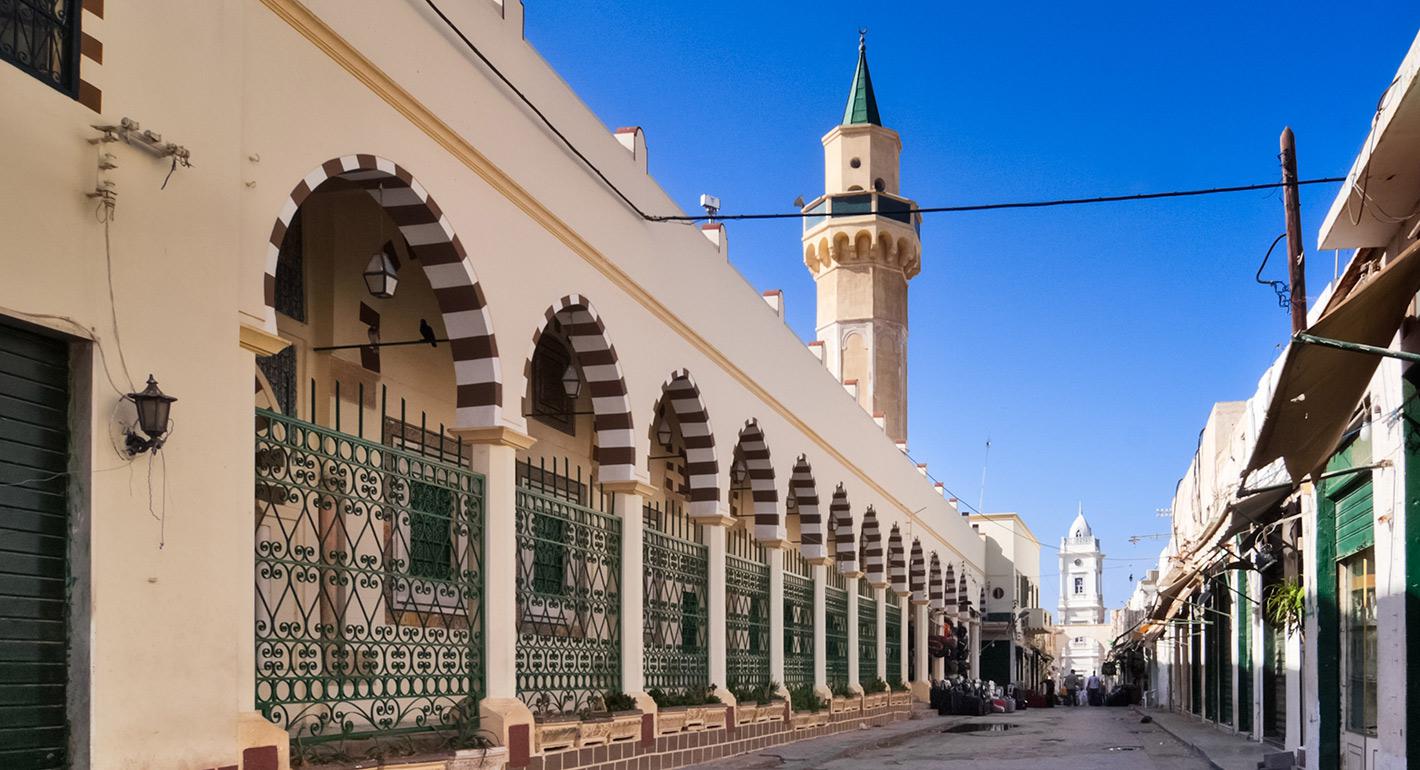
Adherents of the current of Salafism known as “Madkhalism” have emerged as a major social, religious, political, and military force across Libya. But the so-called Madkhalis remain poorly understood and are often treated as a monolithic bloc or as proxies for Saudi Arabia.
Source: Salafism in the Maghreb: Politics, Piety, and Militancy
Adherents of the current of Salafism known as “Madkhalism” have emerged as a major social, religious, political, and military force across Libya. But the so-called Madkhalis remain poorly understood and are often treated as a monolithic bloc or as proxies for Saudi Arabia. Drawing on fieldwork across the country, a book chapter explores the history of Madkhalism during and after the Qadhafi regime, its interactions with other forms of communal and political identity, its doctrinal splits, and its relationship to Saudi clerical authorities.

Senior Fellow, Middle East Program
Frederic Wehrey is a senior fellow in the Middle East Program at the Carnegie Endowment for International Peace, where his research focuses on governance, conflict, and security in Libya, North Africa, and the Persian Gulf.
Recent Work
Frederic Wehrey, Charles H. Johnson
Frederic Wehrey, Charles H. Johnson
Carnegie India does not take institutional positions on public policy issues; the views represented herein are those of the author(s) and do not necessarily reflect the views of Carnegie, its staff, or its trustees.

A partnership between India, a country of subcontinental size, and Africa, a continent of fifty-four countries, may seem asymmetric until one notes that both are home to nearly the same number of people—1.4 billion. This essay spells out the existing challenges to the partnership, its optimal potential, and the possible pathways to realize it over the next quarter-century.

Rajiv Bhatia
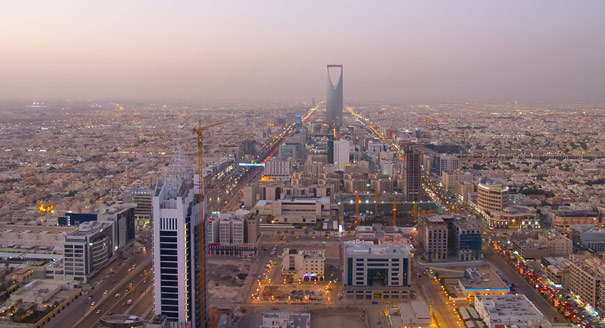
The ideas of religious moderation and social modernization have been steadily pushed on the defensive in the four decades since 1979. Any effort to reverse 1979, therefore, must be welcomed in the Subcontinent.
C. Raja Mohan

President Kovind’s visit to Djibouti and Ethiopia suggests India is finally waking up to the geopolitical significance of the Horn of Africa.
C. Raja Mohan
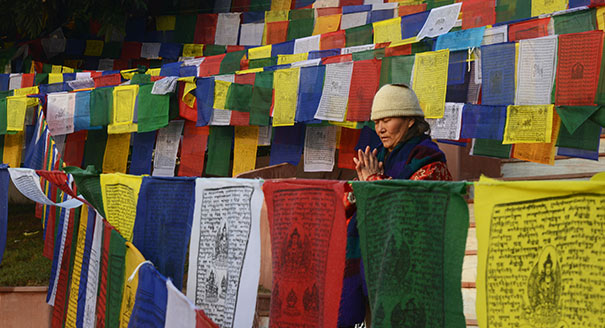
Buddhism has become part of a broader soft power rivalry between China and India for greater influence in Asia.
Jayadeva Ranade
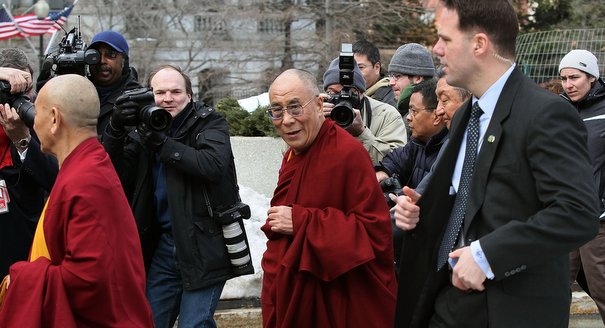
Tibet is at the very heart of the Sino-Indian disputation over territorial sovereignty and much else over the last six decades.
C. Raja Mohan