

Other
François Godement, Ashley J. Tellis
{
  "authors": [
    "François Godement"
  ],
  "type": "legacyinthemedia",
  "centerAffiliationAll": "dc",
  "centers": [
    "Carnegie Endowment for International Peace"
  ],
  "collections": [],
  "englishNewsletterAll": "asia",
  "nonEnglishNewsletterAll": "",
  "primaryCenter": "Carnegie Endowment for International Peace",
  "programAffiliation": "AP",
  "programs": [
    "Asia"
  ],
  "projects": [],
  "regions": [
    "North America",
    "United States"
  ],
  "topics": [
    "Economy",
    "Trade"
  ]
}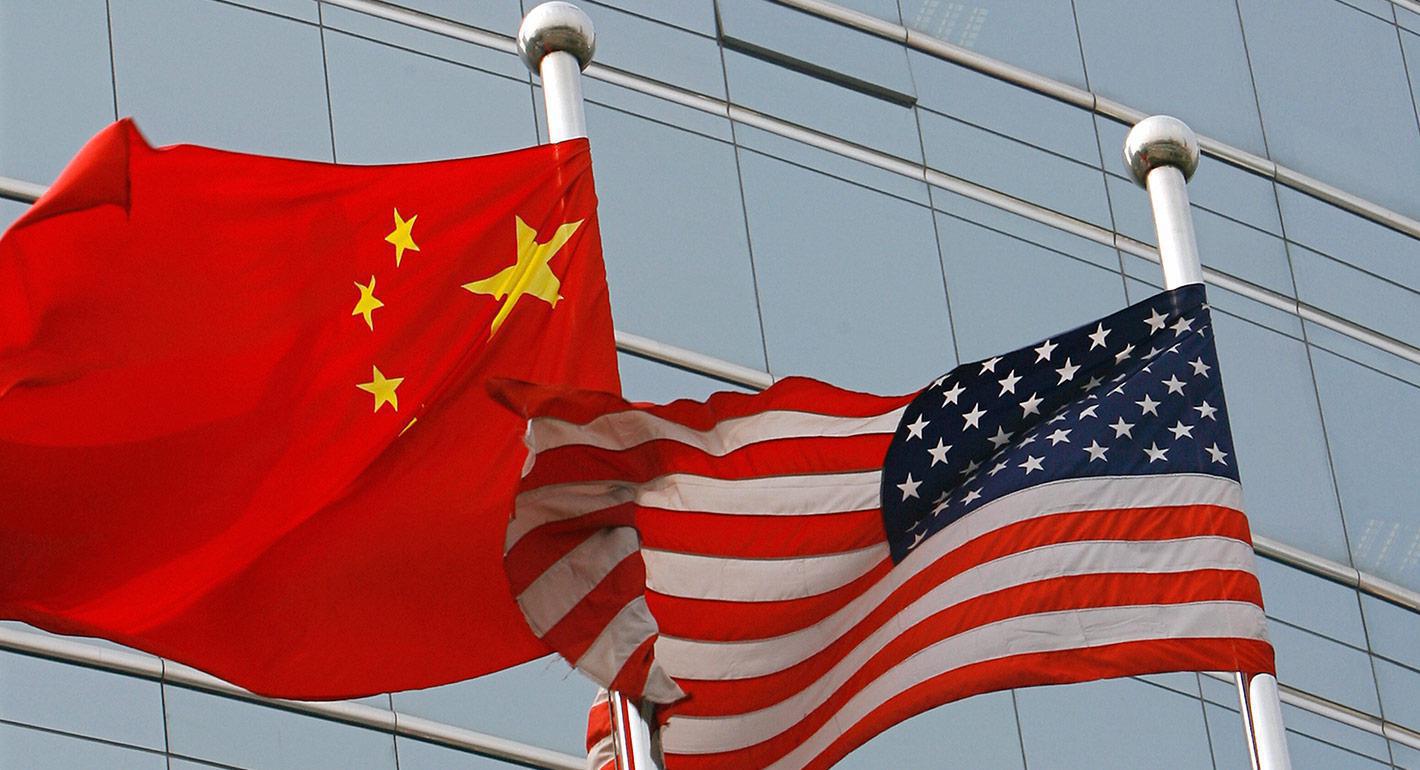
Source: Getty
Chinese sources are showing varying views on trade tensions with the United States, both from different perspectives and over time: even the Party line itself may change.
Source: Institut Montaigne
Chinese sources cannot be directly compared with the analysis and opinions of Western economists since the media and, to a lesser extent, expert opinion are controlled by the Party-state. Yet there have been varying views, both from different perspectives and over time: even the Party line itself may change. The tone can range from realist caution to war cries – indeed, one of our sources uses the term "war" 54 times in the course of one single article.
According to the CNKI (China National Knowledge Infrastructure), the largest academic online library in China, more than 3000 pieces were published on these trade frictions between 1982 and October 2018. More notably, 1800 out of 3000 were published in only nine months of 2018… Our selection runs from the spring of 2018 to the fall of 2019, covering only a tiny fraction of publications. Earlier views – from the spring of 2017, when Donald Trump raised the trade issue and the possibility of tariffs – had generally been optimistic, based on China’s economic strength and also on the belief that China could deal with a savvy businessman turned president.
In April 2018, after Donald Trump announces a 25% tariff increase on 50 billion USD of Chinese goods, the tone is more subdued. One view, taking into account rising tech barriers, explains that "the US overall strength still prevails, and there are still obvious shortcomings in China’s technologies".1 Another view underlines that China’s large trade surplus puts the country in a disadvantageous bargaining position. To minimize losses and constrain the US, explains the author, it should shift the battle field and pick the weak point in the US position: finance. For the author, the logic is simple: America is a deficit spending country, its lack of money and debt financing model are fatal weaknesses. China on the other hand has abundant capital.
This article was originally published by Institut Montaigne.

Former Nonresident Senior Fellow, Asia Program
Godement, an expert on Chinese and East Asian strategic and international affairs, was a nonresident senior fellow in the Asia Program at the Carnegie Endowment for International Peace.
Recent Work
François Godement, Ashley J. Tellis

François Godement, Abigaël Vasselier
Carnegie India does not take institutional positions on public policy issues; the views represented herein are those of the author(s) and do not necessarily reflect the views of Carnegie, its staff, or its trustees.

How is AI reshaping space security, creating governance challenges, and where does international diplomacy stand today?


Tejas Bharadwaj, Almudena Azcárate Ortega

The U.S.–India semiconductor cooperation story is well-stocked with top-level strategic intent. What remains unresolved, however, are some underlying challenges that will determine whether the cooperation actually functions. Three such friction points stand out.

Shruti Mittal

On March 10, 2026, India’s Union Cabinet approved amendments to Press Note 3, a regulation that mandated government approval on all foreign direct investment (FDI) from countries sharing a land border with India. This amendment raises questions primarily about whether its stated benefits will materialize and if the risks have been adequately weighed. This piece will address the same.

Konark Bhandari

India and the United States are close to concluding a Reciprocal Defense Procurement Agreement (RDPA) that will allow firms from the two countries to sell to each other’s defense establishments more easily. While this may not remedy the specific grievances both sides may have regarding larger bilateral issues, an RDPA could restore some momentum, following the trade deal announcement.
Konark Bhandari

On the last day of the India AI Impact Summit, India signed Pax Silica, a U.S.-led declaration seemingly focused on semiconductors. While India’s accession to the same was not entirely unforeseen, becoming a signatory nation this quickly was not on the cards either.
Konark Bhandari