

Research
- +10
Rosa Balfour, Frances Z. Brown, Yasmine Farouk, …
{
  "authors": [
    "Moisés Naím"
  ],
  "type": "legacyinthemedia",
  "centerAffiliationAll": "",
  "centers": [
    "Carnegie Endowment for International Peace"
  ],
  "collections": [],
  "englishNewsletterAll": "",
  "nonEnglishNewsletterAll": "",
  "primaryCenter": "Carnegie Endowment for International Peace",
  "programAffiliation": "",
  "programs": [],
  "projects": [],
  "regions": [],
  "topics": []
}
Source: Getty
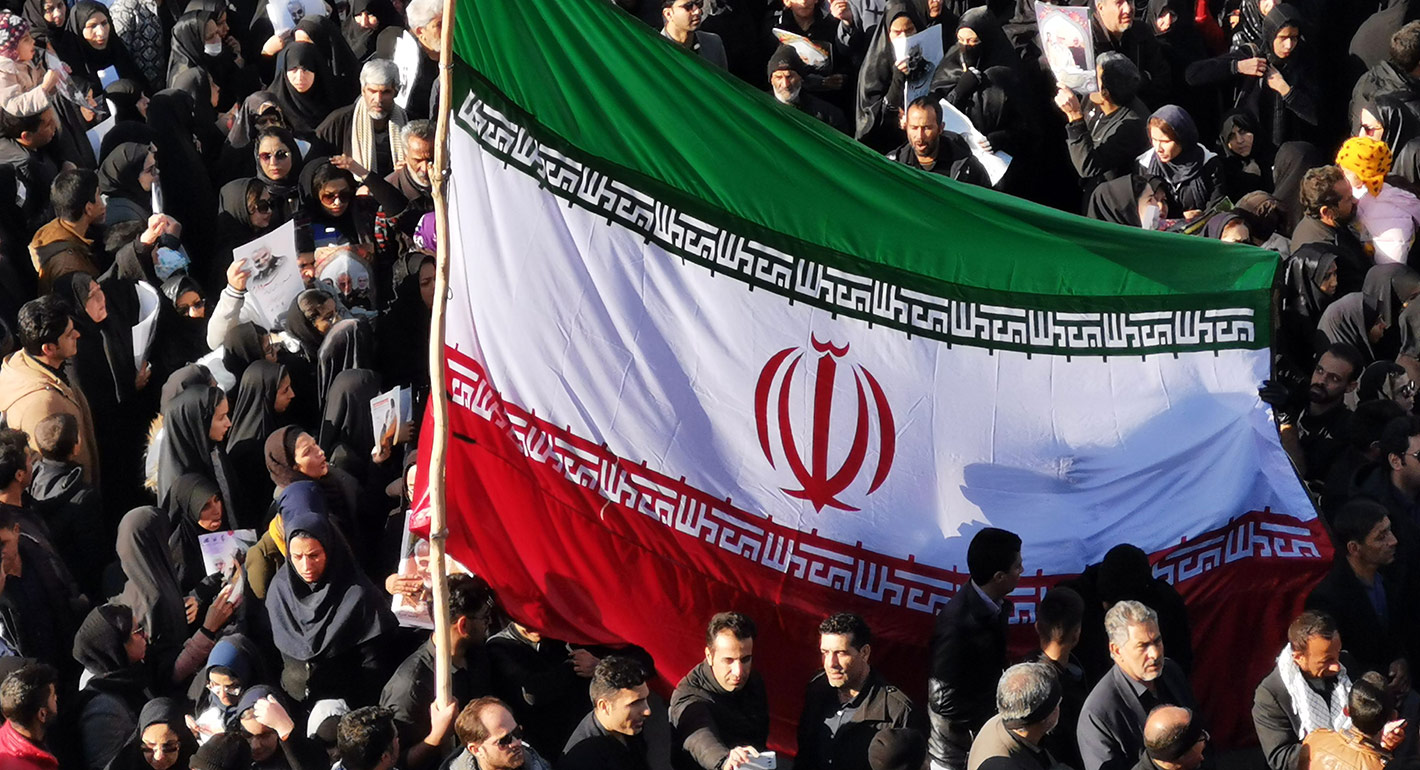
History shows that, most of the time, the reactions of great powers to attacks have more lasting consequences than the attacks themselves.
Source: El País
Each year, about half-a-million people are murdered worldwide. Naturally, these deaths have devastating effects on the victims’ families and loved ones. But there are also killings that reach far beyond friends and family and change the world. These transcendental murders can turn out to be very expensive. The iconic case is the 1914 assassination of the Austrian Archduke Franz Ferdinand in Sarajevo. His death set off a chain of events that led to the outbreak of World War I and the deaths of 40 million people.

Distinguished Fellow
Moisés Naím is a distinguished fellow at the Carnegie Endowment for International Peace, a best-selling author, and an internationally syndicated columnist.
Recent Work



Rosa Balfour, Frances Z. Brown, Yasmine Farouk, …
Moisés Naím
Carnegie India does not take institutional positions on public policy issues; the views represented herein are those of the author(s) and do not necessarily reflect the views of Carnegie, its staff, or its trustees.