

Paper
Richard Youngs, Thomas Carothers
{
  "authors": [
    "Thomas Carothers"
  ],
  "type": "legacyinthemedia",
  "centerAffiliationAll": "",
  "centers": [
    "Carnegie Endowment for International Peace"
  ],
  "collections": [],
  "englishNewsletterAll": "",
  "nonEnglishNewsletterAll": "",
  "primaryCenter": "Carnegie Endowment for International Peace",
  "programAffiliation": "",
  "programs": [],
  "projects": [],
  "regions": [],
  "topics": [
    "Political Reform"
  ]
}
Source: Getty
What the world is witnessing is less a crisis of democracy than a broader crisis of governance. The likely result is increased political flux across all types of political systems.
Source: Foreign Affairs
Gloom about the state of democracy pervades Washington and other Western capitals. Restless, insecure, and alienated citizens in many democracies are challenging their leaders on the streets, electing illiberal demagogues, or simply rejecting all of the political choices available to them. Meanwhile, China, Russia, and several other authoritarian powers are growing more assertive and self-confident, claiming that democracy’s time has passed and working to bolster fellow autocrats.
Yet all this attention on the decline of democracy has obscured a story that is just as important: many authoritarians, dictators, and other nondemocratic leaders are also in trouble. Just like their peers in free countries, many citizens in nondemocracies are deeply frustrated with their political systems and have in the last several years been acting on that unhappiness by challenging those in power. The central political dynamic of the current moment is thus not the gradual eclipsing of democracy by authoritarianism. It is, rather, the growing difficulty of political elites in all types of regimes to satisfy the demands of their citizens.

Harvey V. Fineberg Chair for Democracy Studies; Director, Democracy, Conflict, and Governance Program
Thomas Carothers, director of the Carnegie Endowment for International Peace’s Democracy, Conflict, and Governance Program, is a leading expert on comparative democratization and international support for democracy.
Recent Work

Richard Youngs, Thomas Carothers

Thomas Carothers, McKenzie Carrier
Carnegie India does not take institutional positions on public policy issues; the views represented herein are those of the author(s) and do not necessarily reflect the views of Carnegie, its staff, or its trustees.
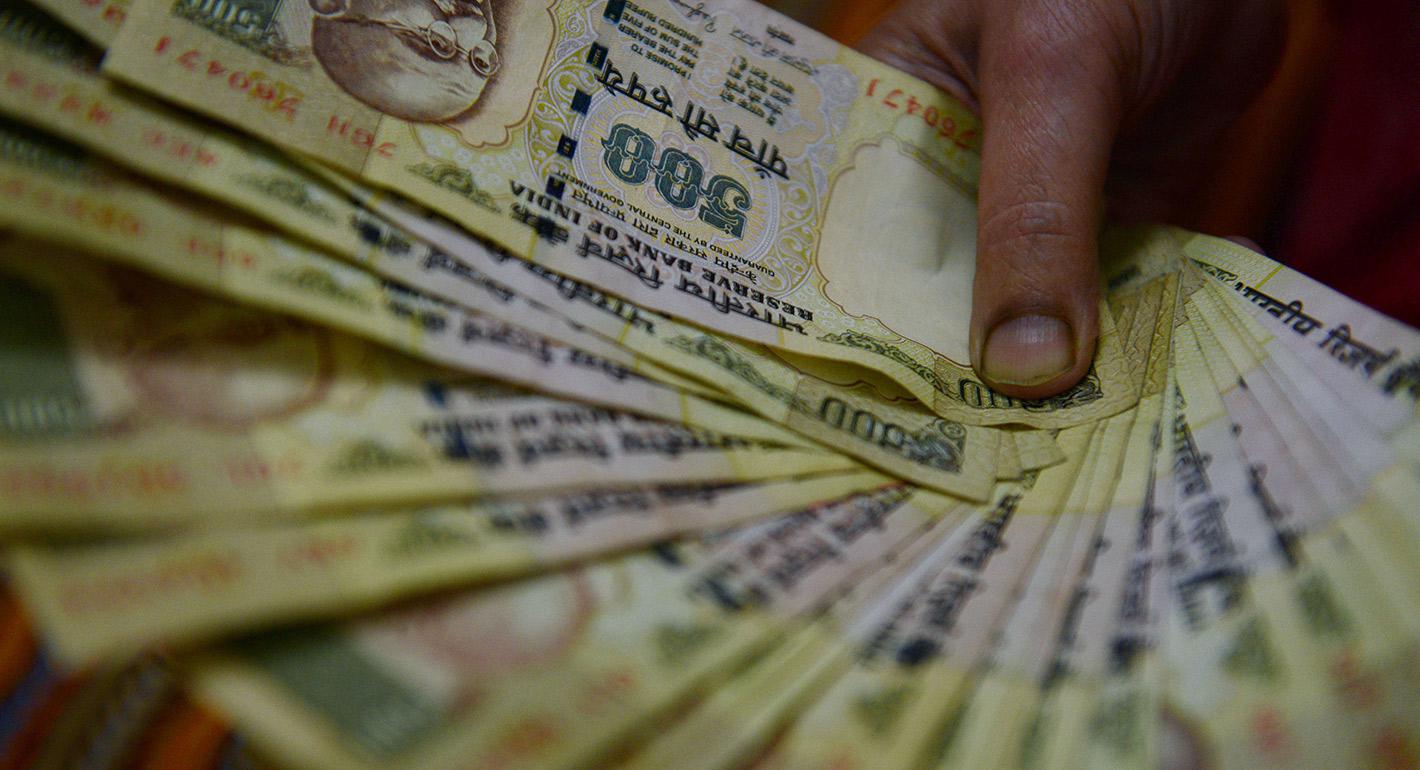
As India’s economy recovers from the coronavirus pandemic, Indian businesses need efficient financial structures to regain their ground. Key reforms to India’s Insolvency and Bankruptcy Code could fill these gaps.

Anirudh Burman

Access to cross-border data is an integral piece of the law enforcement puzzle. India is well placed to lead the discussions on international data agreements subject to undertaking necessary surveillance reforms.
Smriti Parsheera, Prateek Jha
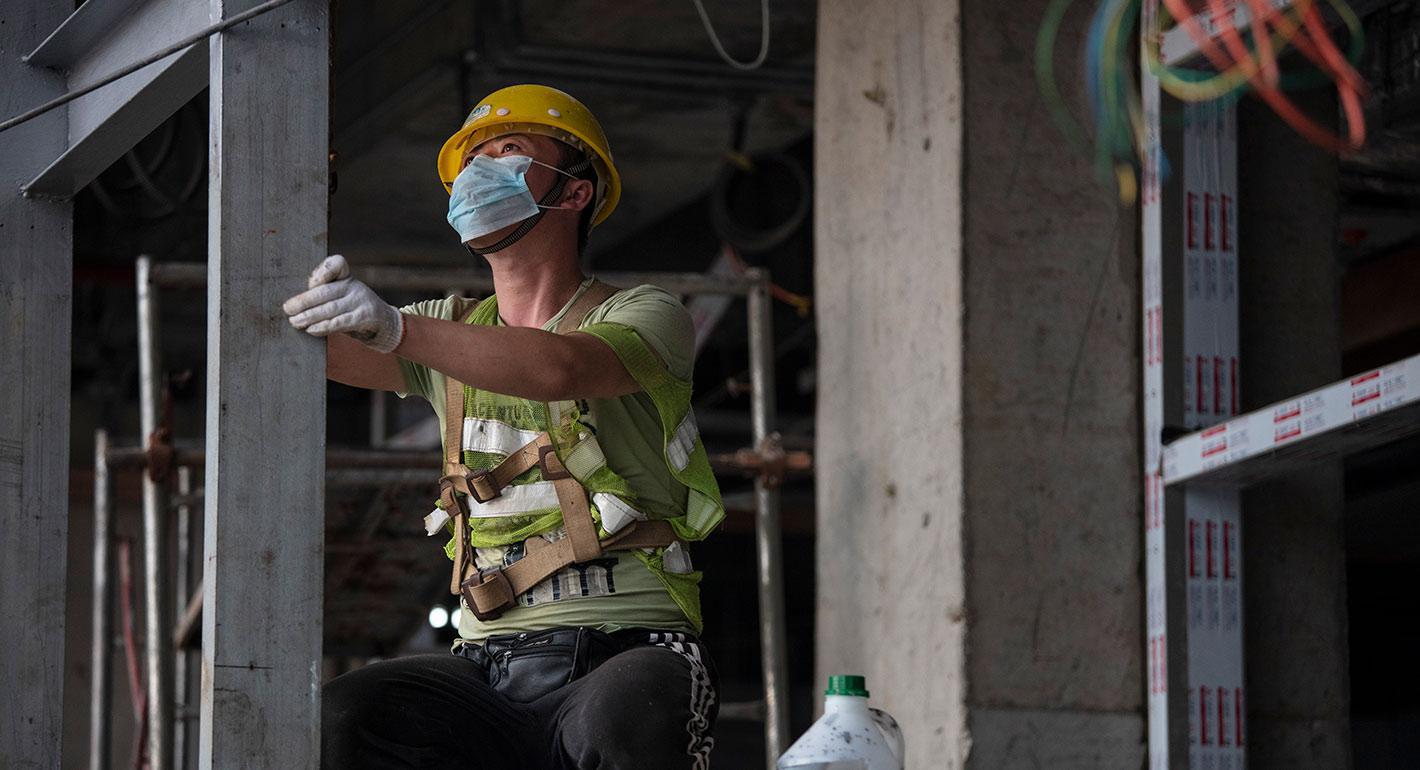
After the coronavirus pandemic wanes, how will China’s reorientation of the Belt and Road Initiative to address global health concerns influence its relationships with South Asian countries?
Deep Pal, Rahul Bhatia
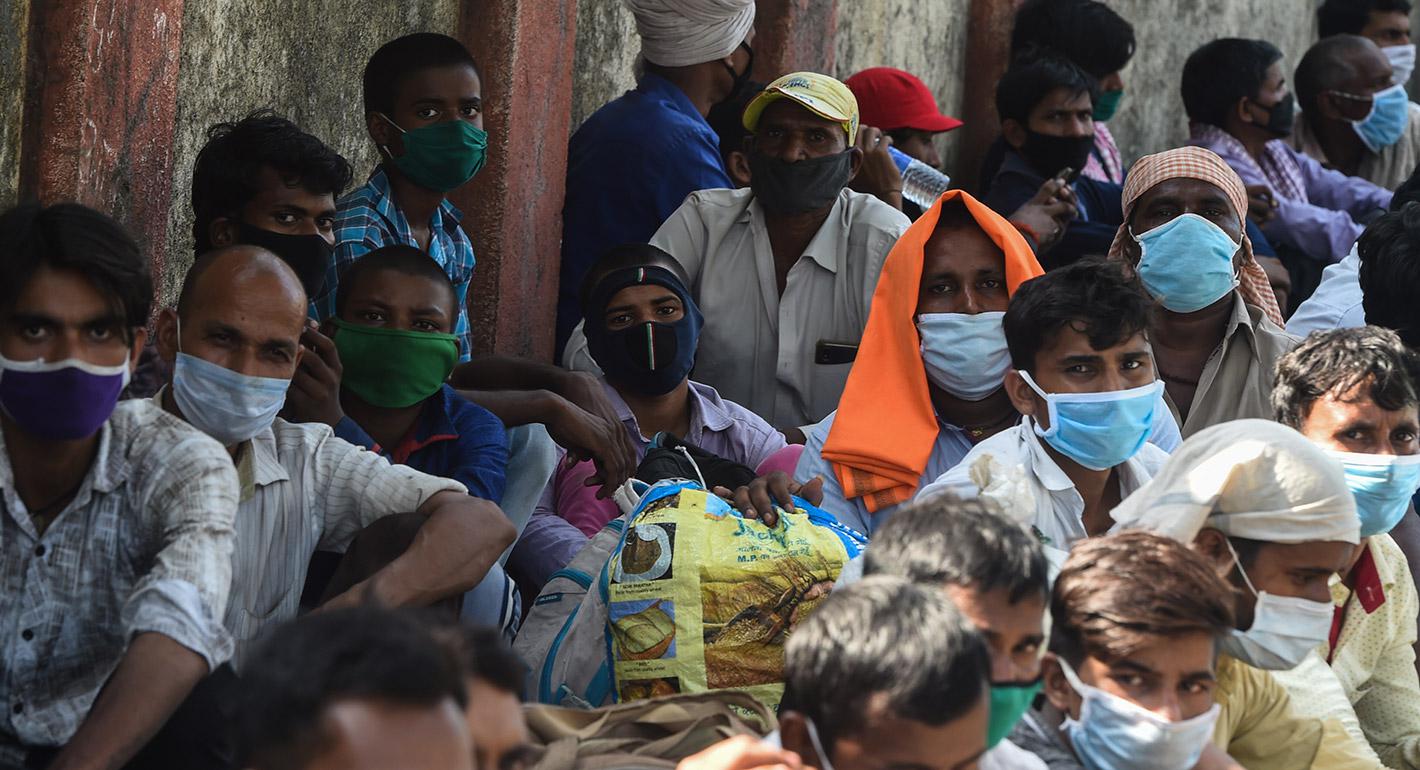
Early in the outbreak, government researchers forecast several high-risk scenarios that were downplayed or ignored in public messaging.
Gautam I. Menon
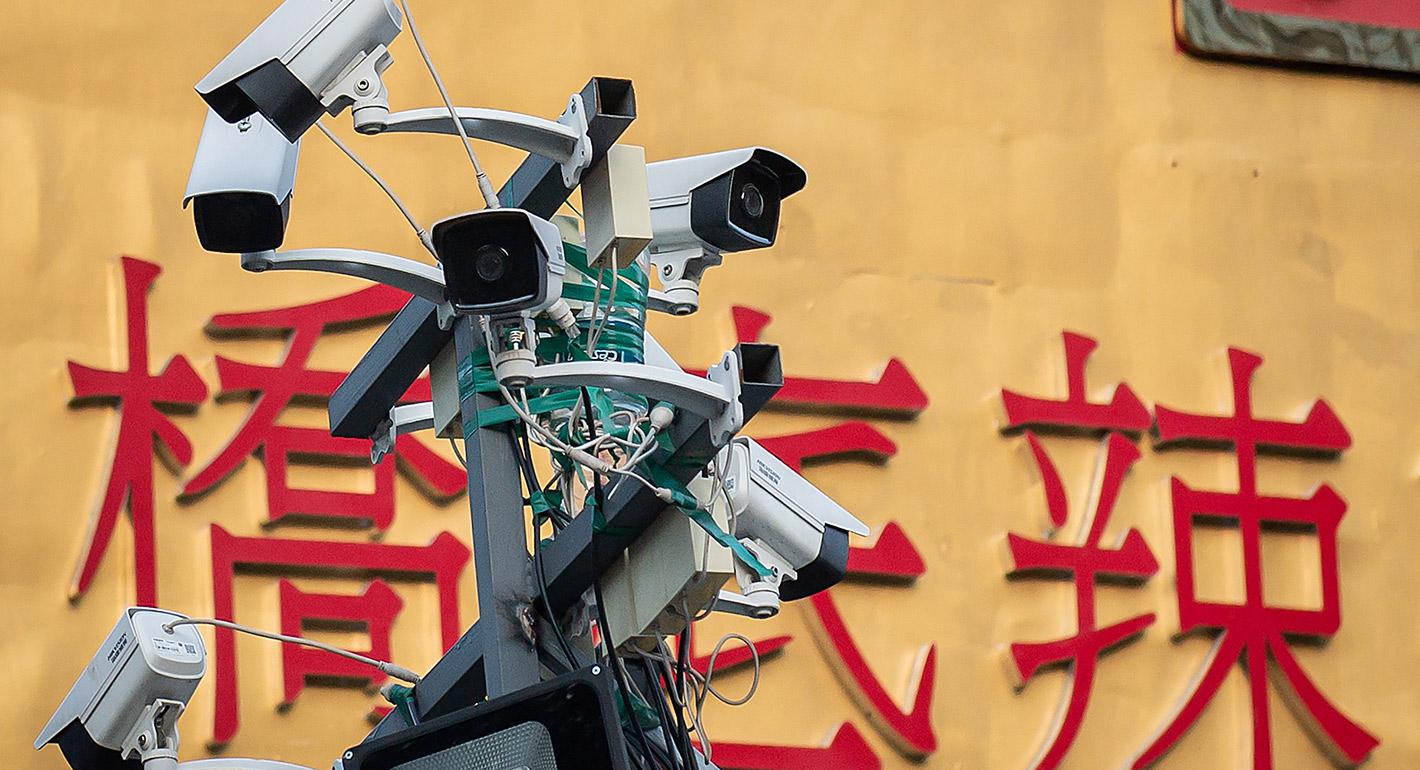
Governments around the world are turning to new forms of digital surveillance to monitor the spread of the coronavirus, though they are mostly using existing laws to do so.
Anirudh Burman