

Article
This piece argues that India’s central challenge is not managing a single flashpoint but resolving the underlying tension between expansion and institutional coherency of the BRICS grouping.
Vrinda Sahai
{
  "authors": [
    "James L. Schoff",
    "Satoru Mori"
  ],
  "type": "other",
  "centerAffiliationAll": "dc",
  "centers": [
    "Carnegie Endowment for International Peace"
  ],
  "collections": [],
  "englishNewsletterAll": "asia",
  "nonEnglishNewsletterAll": "",
  "primaryCenter": "Carnegie Endowment for International Peace",
  "programAffiliation": "AP",
  "programs": [
    "Asia"
  ],
  "projects": [],
  "regions": [
    "North America",
    "United States",
    "East Asia",
    "China",
    "Japan"
  ],
  "topics": [
    "Security",
    "Foreign Policy",
    "Technology"
  ]
}
Source: Getty
Techno-nationalism is resurgent in the world today, and it comes at a time of more intense strategic friction between the United States and China, compared to the U.S.-Japan trade battles and technology competition from three decades ago.
Source: Sasakawa Peace Foundation
Techno-nationalism is resurgent in the world today, and it comes at a time of more intense strategic friction between the United States and China, compared to the U.S.-Japan trade battles and technology competition from three decades ago. That was a relatively short-lived era of rivalry between allies, but this is likely to be a longer-term and intense competition with China that sees the United States and Japan on the same side for the most part, due to their wide range of shared interests.
This memo assesses the scope of evolving technology development challenges to the United States and Japan, summarizes some of the steps that both countries are taking to address these challenges—through a combination of access restriction and collaborative innovation—and recommends additional measures they can consider for protecting national and economic security without risking technological isolation. The memo focuses heavily on the unique role that the U.S-Japan alliance can play with regard to these challenges, given the two countries’ science and technology strengths, their shared regional and global interests, and their track record of basic science collaboration that spans more than fifty years.
This policy memorandum was originally published by the Sasakawa Peace Foundation.

Former Senior Fellow, Asia Program
James L. Schoff was a senior fellow in the Carnegie Asia Program. His research focuses on U.S.-Japan relations and regional engagement, Japanese technology innovation, and regional trade and security dynamics.
Satoru Mori
Satoru Mori is a professor in the Faculty of Law at Hosei University. He specializes in international relations, U.S. foreign policy and Cold War history.
Carnegie India does not take institutional positions on public policy issues; the views represented herein are those of the author(s) and do not necessarily reflect the views of Carnegie, its staff, or its trustees.

This piece argues that India’s central challenge is not managing a single flashpoint but resolving the underlying tension between expansion and institutional coherency of the BRICS grouping.

Vrinda Sahai
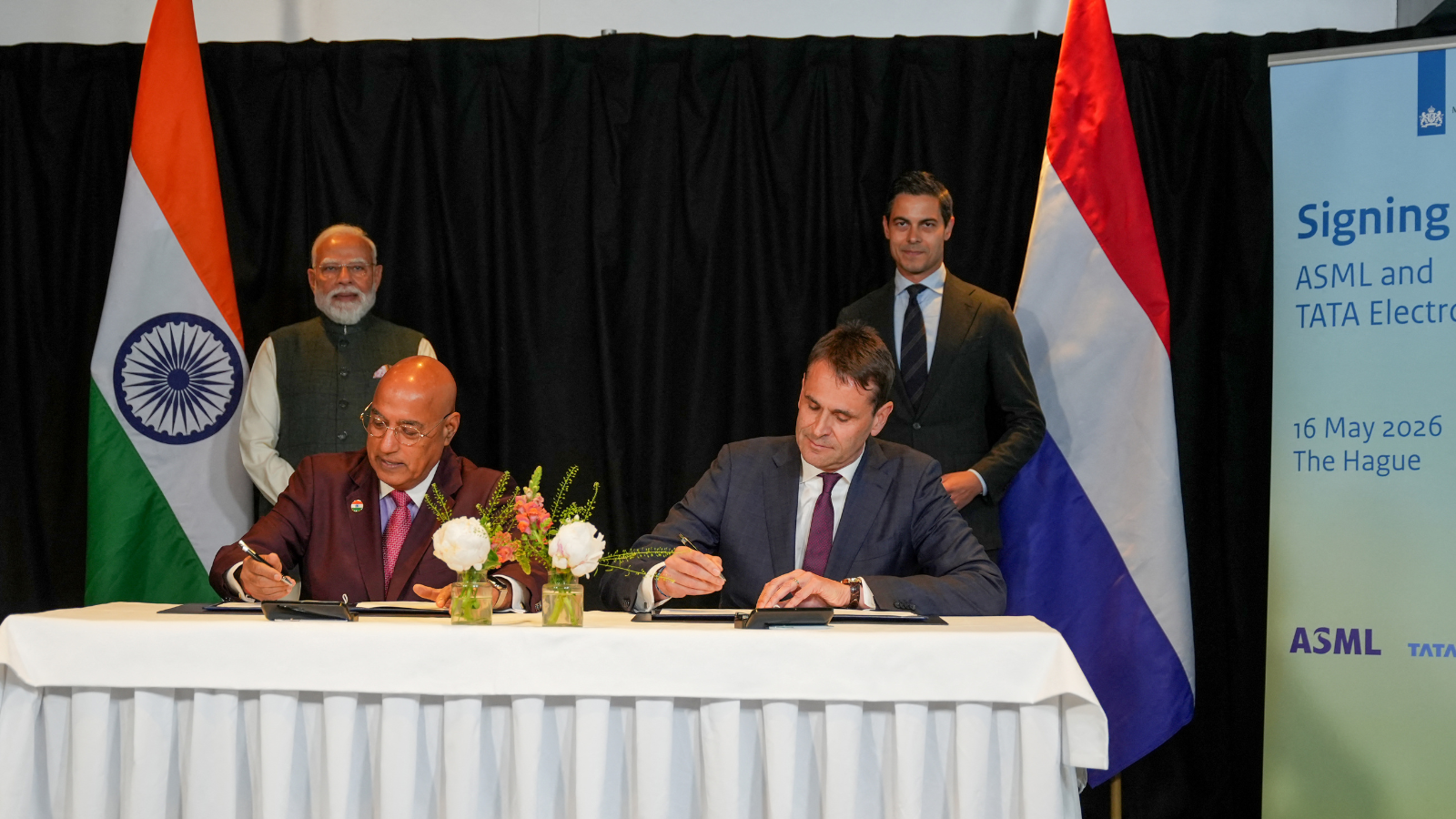
The ASML MoU with Tata Electronics is an indicator of how far the Indian semiconductor ecosystem has come. This ecosystem has been years in the making and represents real commercial logic.

Konark Bhandari
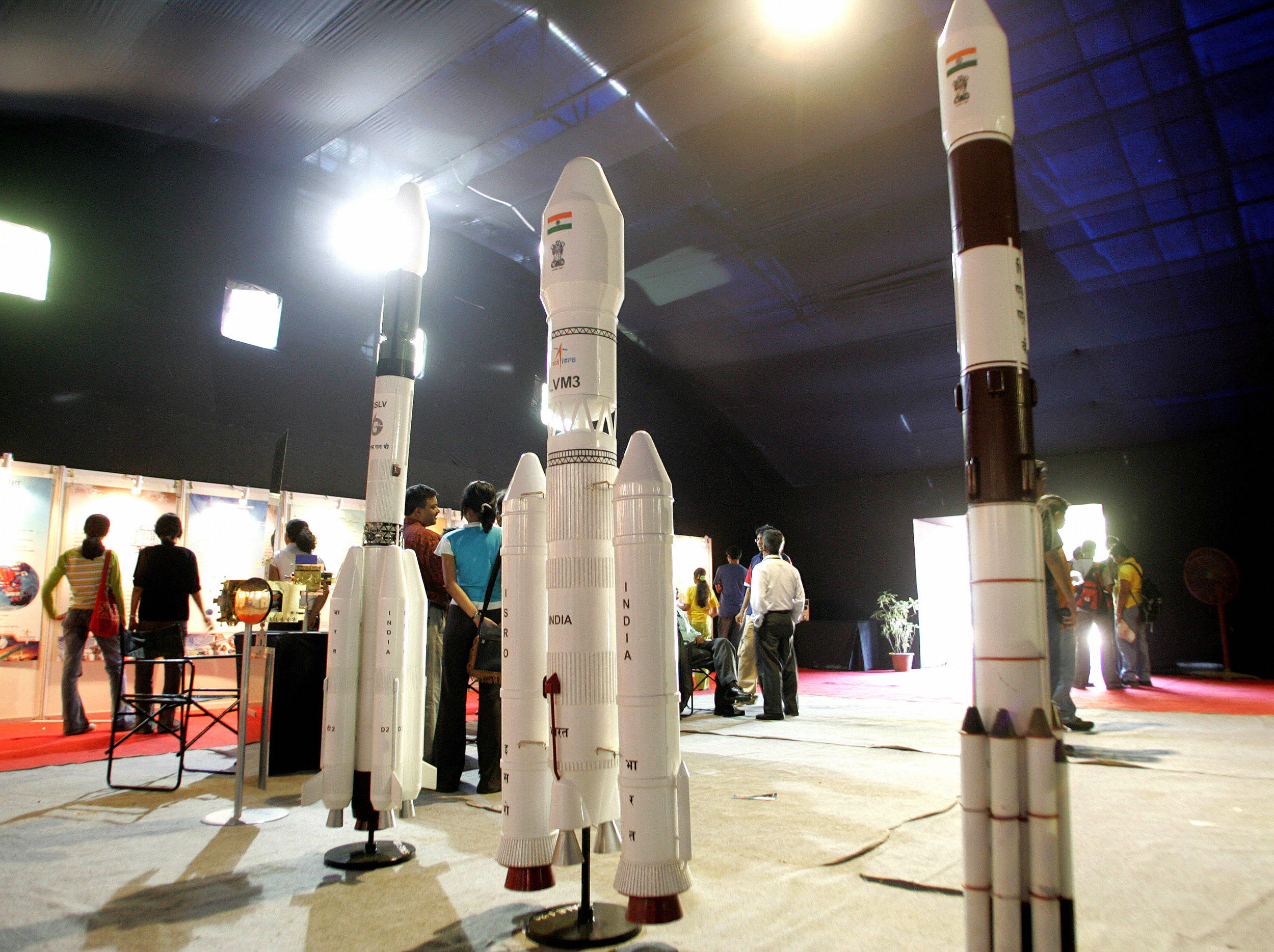
This paper examines the relationship between India’s evolving space policy and the corresponding growth in private space ventures. It analyzes both the enabling factors created by recent regulatory changes and the persistent challenges facing entrepreneurs in this capital-intensive, highly regulated industry.
Harshan Vazhakunnam

A partnership between India, a country of subcontinental size, and Africa, a continent of fifty-four countries, may seem asymmetric until one notes that both are home to nearly the same number of people—1.4 billion. This essay spells out the existing challenges to the partnership, its optimal potential, and the possible pathways to realize it over the next quarter-century.

Rajiv Bhatia

The U.S.–India semiconductor cooperation story is well-stocked with top-level strategic intent. What remains unresolved, however, are some underlying challenges that will determine whether the cooperation actually functions. Three such friction points stand out.

Shruti Mittal