

Commentary
Peter Kellner
{
  "authors": [
    "Peter Kellner"
  ],
  "type": "legacyinthemedia",
  "centerAffiliationAll": "dc",
  "centers": [
    "Carnegie Endowment for International Peace",
    "Carnegie Europe"
  ],
  "collections": [
    "Brexit and UK Politics",
    "Coronavirus"
  ],
  "englishNewsletterAll": "ctw",
  "nonEnglishNewsletterAll": "",
  "primaryCenter": "Carnegie Europe",
  "programAffiliation": "EP",
  "programs": [
    "Europe"
  ],
  "projects": [],
  "regions": [
    "Europe",
    "Western Europe",
    "United Kingdom",
    "Iran"
  ],
  "topics": [
    "EU",
    "Political Reform"
  ]
}
Source: Getty
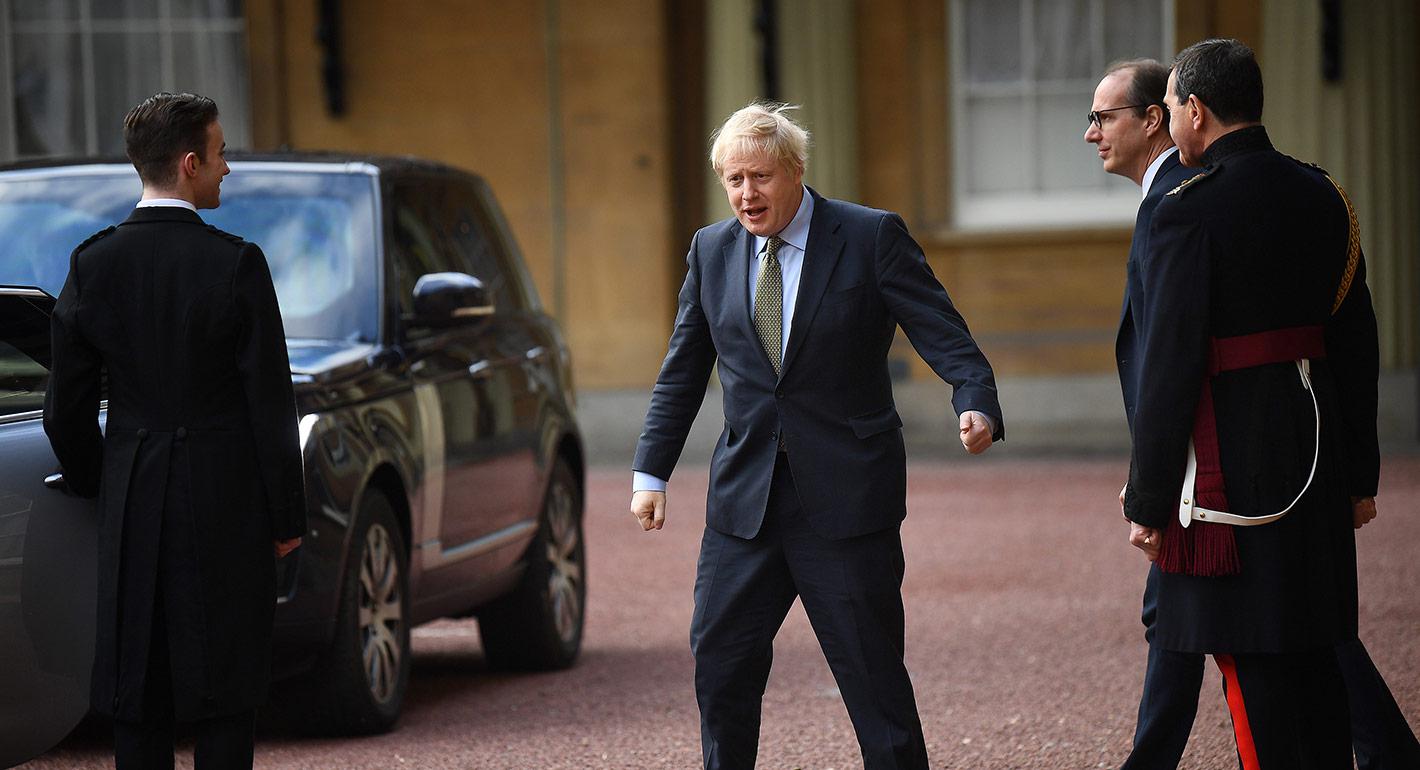
While the coronavirus crisis has helped UK Prime Minister Boris Johnson’s approval rating, it hasn’t helped his party, and British voters are now losing faith in the government’s handling of it.
Source: Prospect Magazine
Politico reports that Downing Street has commissioned private polls to track the public mood through the coronavirus crisis. What are they telling Boris Johnson?
The separate, published, surveys that have been conducted suggest something like the analysis below. It is worth delving into the numbers for they show how and why ministers are losing the overwhelming public backing they enjoyed just seven weeks ago.The public strongly backed the lockdown when it was introduced. During the week when it came into effect, fully 96 per cent told Opinium that they supported it; only 4 per cent disagreed. Indeed, 57 per cent would have been prepared to go further, for example by banning all public transport. One reason why voters backed the lockdown was that they understood what it meant: more than four in five voters thought the rules were clear.
Voters have reacted very differently to this week’s change in policy. YouGov finds that the public are evenly divided on the new rules: 44 per cent support them, while 43 per cent oppose them. YouGov also reports that only 30 per cent think the new instruction, “stay alert, control the virus, save lives” is clear—in contrast to the 91 per cent who now say the old slogan was clear—“stay home, protect the NHS, save lives.”

Former Nonresident Scholar, Carnegie Europe
Kellner was a nonresident scholar at Carnegie Europe, where his research focused on Brexit, populism, and electoral democracy.
Recent Work
Peter Kellner
Peter Kellner
Carnegie India does not take institutional positions on public policy issues; the views represented herein are those of the author(s) and do not necessarily reflect the views of Carnegie, its staff, or its trustees.

The ASML MoU with Tata Electronics is an indicator of how far the Indian semiconductor ecosystem has come. This ecosystem has been years in the making and represents real commercial logic.

Konark Bhandari

The India–EU Free Trade Agreement (FTA) is shaping up to be one of the most consequential trade negotiations, both economically and strategically. But, what’s in the agreement, what’s missing, and what will determine its success in the years ahead

Vrinda Sahai, Nicolas Köhler-Suzuki

The Technology and Security Initiative (TSI) ought to be more strategic, especially at a time of geopolitical displacement. This is an opportunity to fuse two deep technology ecosystems to co-produce and co-innovate solutions, products, and emerging technologies of the future.


Rudra Chaudhuri, Tejas Bharadwaj, Konark Bhandari, …
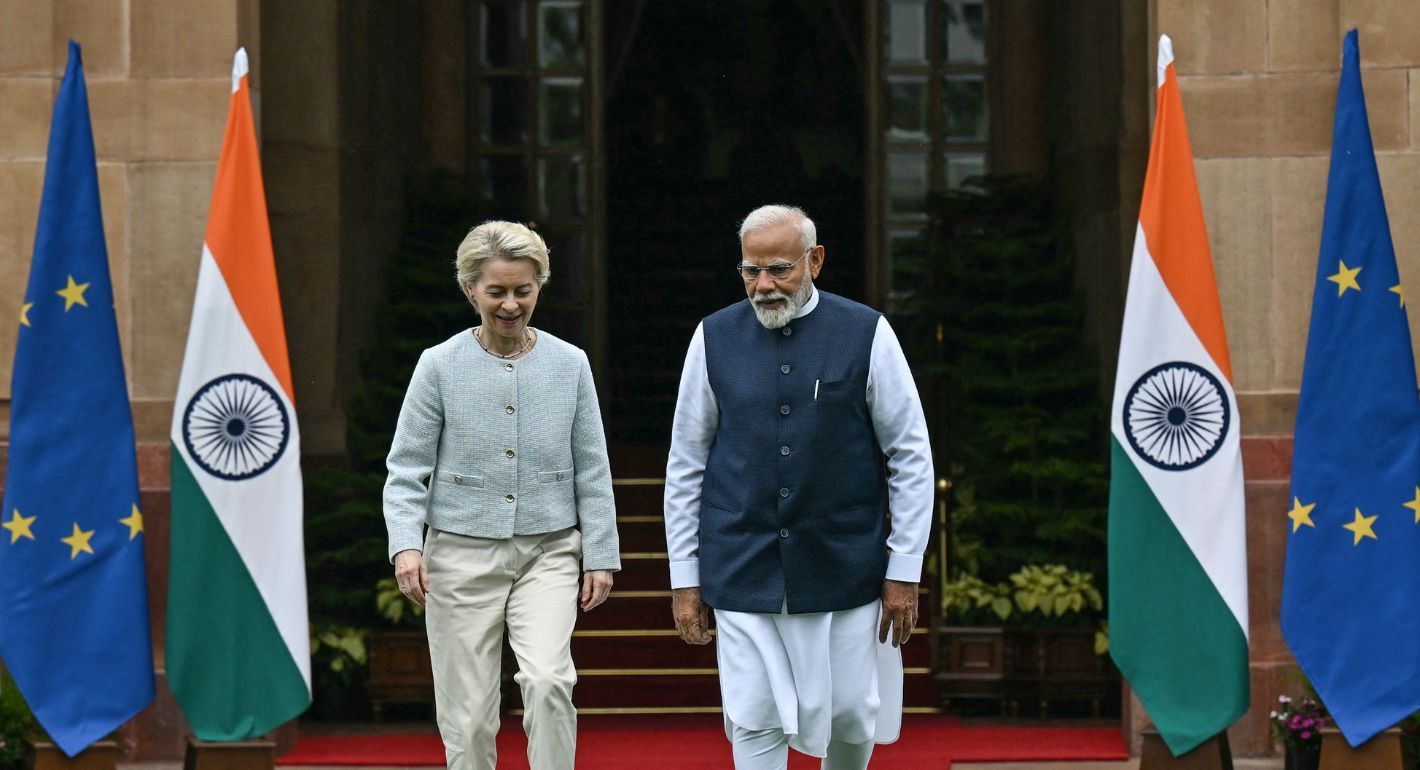
This article argues that the geopolitical circumstances have never been more conducive, not merely for the early conclusion of the free trade agreement (FTA) between India and the EU, but also for crafting a substantive and comprehensive strategic partnership.

Mohan Kumar
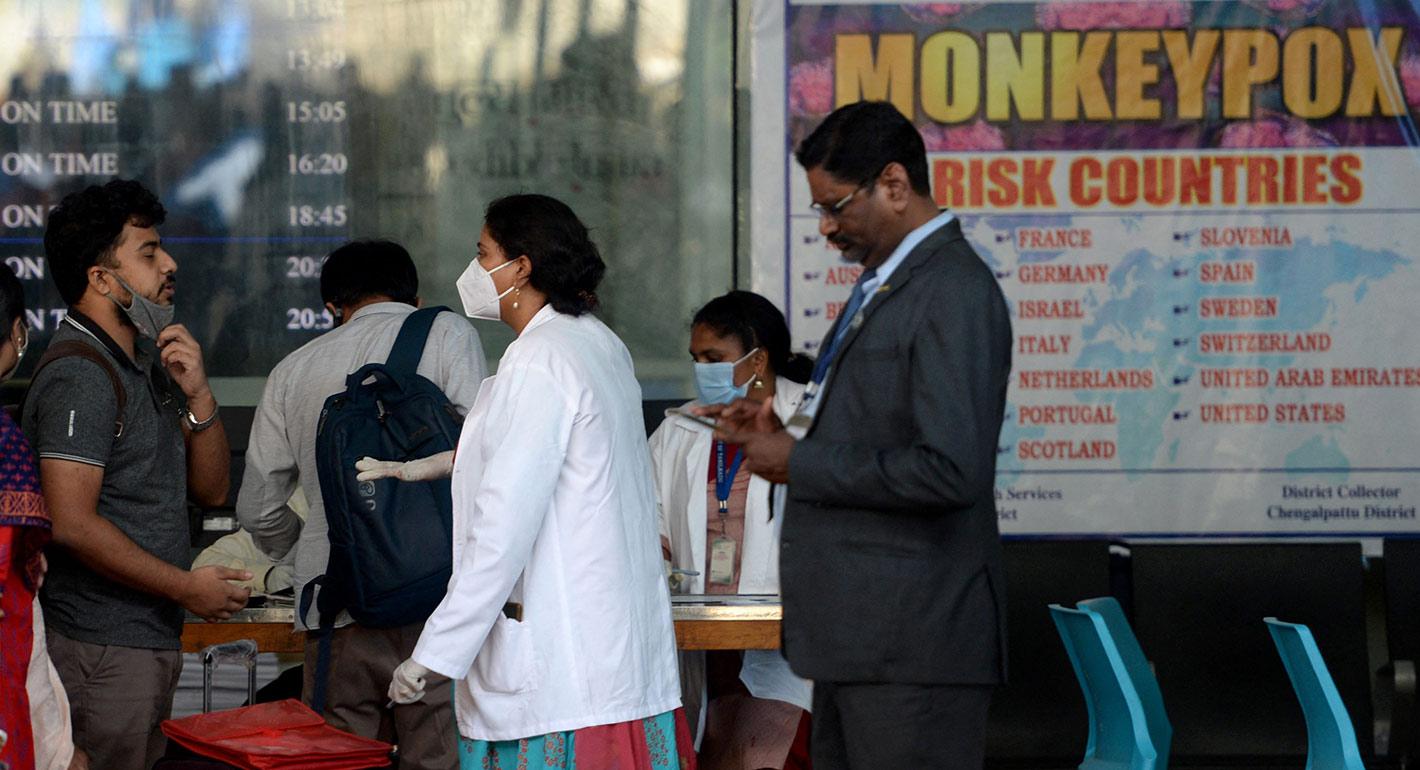
With monkeypox being declared a global health emergency, the WHO approach is an innovative and effective way to curb outbreaks of zoonotic diseases.

Shruti Sharma