

Article
Zaha Hassan
{
  "authors": [
    "Zaha Hassan"
  ],
  "type": "other",
  "centerAffiliationAll": "dc",
  "centers": [
    "Carnegie Endowment for International Peace"
  ],
  "collections": [],
  "englishNewsletterAll": "menaTransitions",
  "nonEnglishNewsletterAll": "",
  "primaryCenter": "Carnegie Endowment for International Peace",
  "programAffiliation": "MEP",
  "programs": [
    "Middle East"
  ],
  "projects": [],
  "regions": [
    "North America",
    "United States",
    "Middle East",
    "Israel",
    "Palestine"
  ],
  "topics": [
    "Security"
  ]
}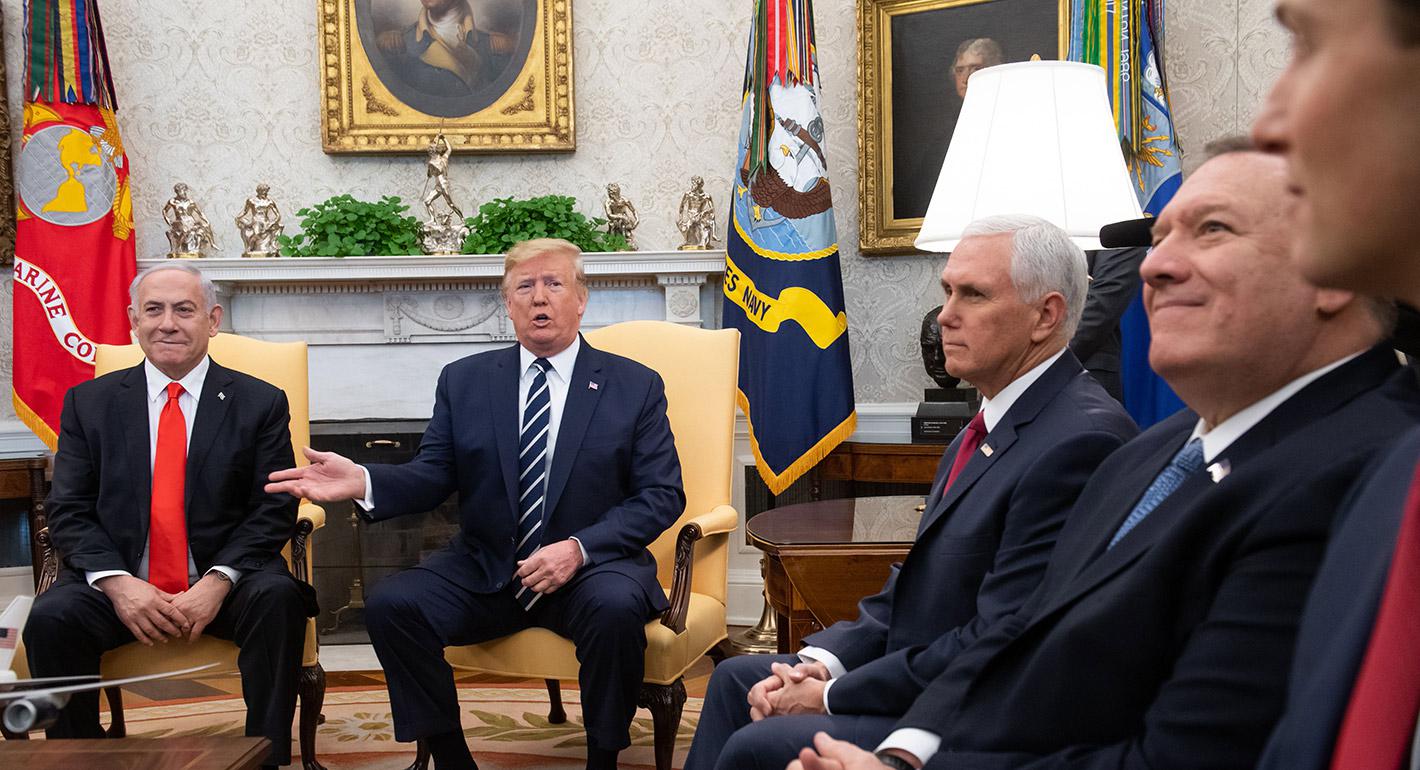
Source: Getty
The history of U.S. mediation between Palestinians and Israelis is one in which Palestinians have had to first negotiate their agency, representation, and peoplehood.
Source: Palestine Strategy Group
The history of US mediation between Palestinians and Israelis is one in which Palestinians have had to first negotiate their agency, representation and peoplehood. When political recognition finally came from Israel and the US, opening the door to peace talks, it was at a considerable cost to the Palestinian national cause. The US has used its influence as lone peace broker and superpower to alter the terms of reference for an agreement while providing political cover for Israel’s expansionist tendencies. In US policy parlance, settlements went from “illegal” under Carter to being on the cusp of official US recognition as Israeli sovereign territory today under Trump. The removal of the refugee issue from the negotiating table did not begin with Trump; it began with Clinton.
Both political parties in the US, whether in control of the White House or Congress, have consistently worked to constrain Palestinians in their ability to operate in the US, to advocate for their rights in international fora, and to receive economic support while negotiating for an end to occupation. The US has done this both acting alone and through its participation in the multilateral mechanism, the Middle East Quartet. Though support for Israeli policies are on the wane among the base of the Democratic Party, the political polarization within the US on Israel/Palestine means that there will not be a significant change in US policy in the near term....
This policy paper was originally published by the Palestine Strategy Group.
Senior Fellow, Middle East Program
Zaha Hassan is a human rights lawyer and a senior fellow at the Carnegie Endowment for International Peace.
Recent Work
Zaha Hassan
Zaha Hassan, Charles H. Johnson
Carnegie India does not take institutional positions on public policy issues; the views represented herein are those of the author(s) and do not necessarily reflect the views of Carnegie, its staff, or its trustees.

In any defense establishment, change is an ongoing process. However, despite the best of intentions, existing bureaucracies, bound by habit and years of socialization, have their limits in implementing transformative change.

Anit Mukherjee

How is AI reshaping space security, creating governance challenges, and where does international diplomacy stand today?


Tejas Bharadwaj, Almudena Azcárate Ortega

After the chill in ties between 2020 and 2024 that brought India–China relations to their lowest point in several decades, the two countries have engaged each other afresh. This paper argues that there are predominantly four imperatives guiding India’s approach to China, and they exist in an order of priority.

Saheb Singh Chadha

The U.S.–India semiconductor cooperation story is well-stocked with top-level strategic intent. What remains unresolved, however, are some underlying challenges that will determine whether the cooperation actually functions. Three such friction points stand out.

Shruti Mittal

This piece argues that the present Indian strategy, based on opportunistic diversification and utilization of limited strategic reserves, remains inadequate when confronting supply disruptions. It evaluates India’s options in the short, medium, and long terms.

Vrinda Sahai