

Paper
- +4
George Perkovich, Ariel (Eli) Levite, Lyu Jinghua, …
{
  "authors": [
    "Lyu Jinghua"
  ],
  "type": "legacyinthemedia",
  "centerAffiliationAll": "dc",
  "centers": [
    "Carnegie Endowment for International Peace",
    "Carnegie China"
  ],
  "collections": [
    "Major Power Tech Relations"
  ],
  "englishNewsletterAll": "ctw",
  "nonEnglishNewsletterAll": "",
  "primaryCenter": "Carnegie Endowment for International Peace",
  "programAffiliation": "TIA",
  "programs": [
    "Technology and International Affairs"
  ],
  "projects": [],
  "regions": [
    "Iran",
    "East Asia",
    "China"
  ],
  "topics": [
    "Technology",
    "Economy",
    "Security"
  ]
}
Source: Getty
With the potential of enabling not only significant economic growth but also the innovation of critical technologies in various fields, both the United States and China view 5G as one of the key influencing factors in the “great power competition.”
Source: Italian Institute for International Political Studies
With the potential of enabling not only significant economic growth but also the innovation of critical technologies in various fields, both the US and China view 5G as one of the key influencing factors in the “great power competition”. While the US believes that “the race to 5G is a race America must win”, China views it as representing the major leapfrog of its position in ICTs by describing the progress as “1G behind, 2G follow, 3G breakthrough, 4G synchronization, 5G leading”. Differently from competition in other traditional areas, companies rather than governments – the Chinese company Huawei as the most noticeable one – have played a significant role and become the pawns of the geopolitical game. Despite the obvious benefits such as lower costs and higher efficiency in using Huawei’s products, the company is now under huge pressure of being excluded from 5G networks by more and more Western economies – especially following Britain’s reversal of its decision.
All the declared concerns supporting the ban of Huawei, including the risks of surveillance and data collection and the potential vulnerabilities to cyberattacks or installed kill switches, sound reasonable at first. However, it is fair to say that these are inherent risks embedded in all ICT products. Why is Huawei so alarming, then? The frequently heard answer is that Huawei has much closer relations with the Chinse government than the usual ones, with three main accusations. Are they convincing enough?
This article was originally published in the Italian Institute for International Political Studies.
Former Visiting Scholar, Cyber Policy Initiative
Lyu Jinghua was a visiting scholar with Carnegie’s Cyber Policy Initiative. Her research focuses primarily on cybersecurity and China-U.S. defense relations.
Recent Work


George Perkovich, Ariel (Eli) Levite, Lyu Jinghua, …

Jon Bateman, Lyu Jinghua

In any defense establishment, change is an ongoing process. However, despite the best of intentions, existing bureaucracies, bound by habit and years of socialization, have their limits in implementing transformative change.

Anit Mukherjee
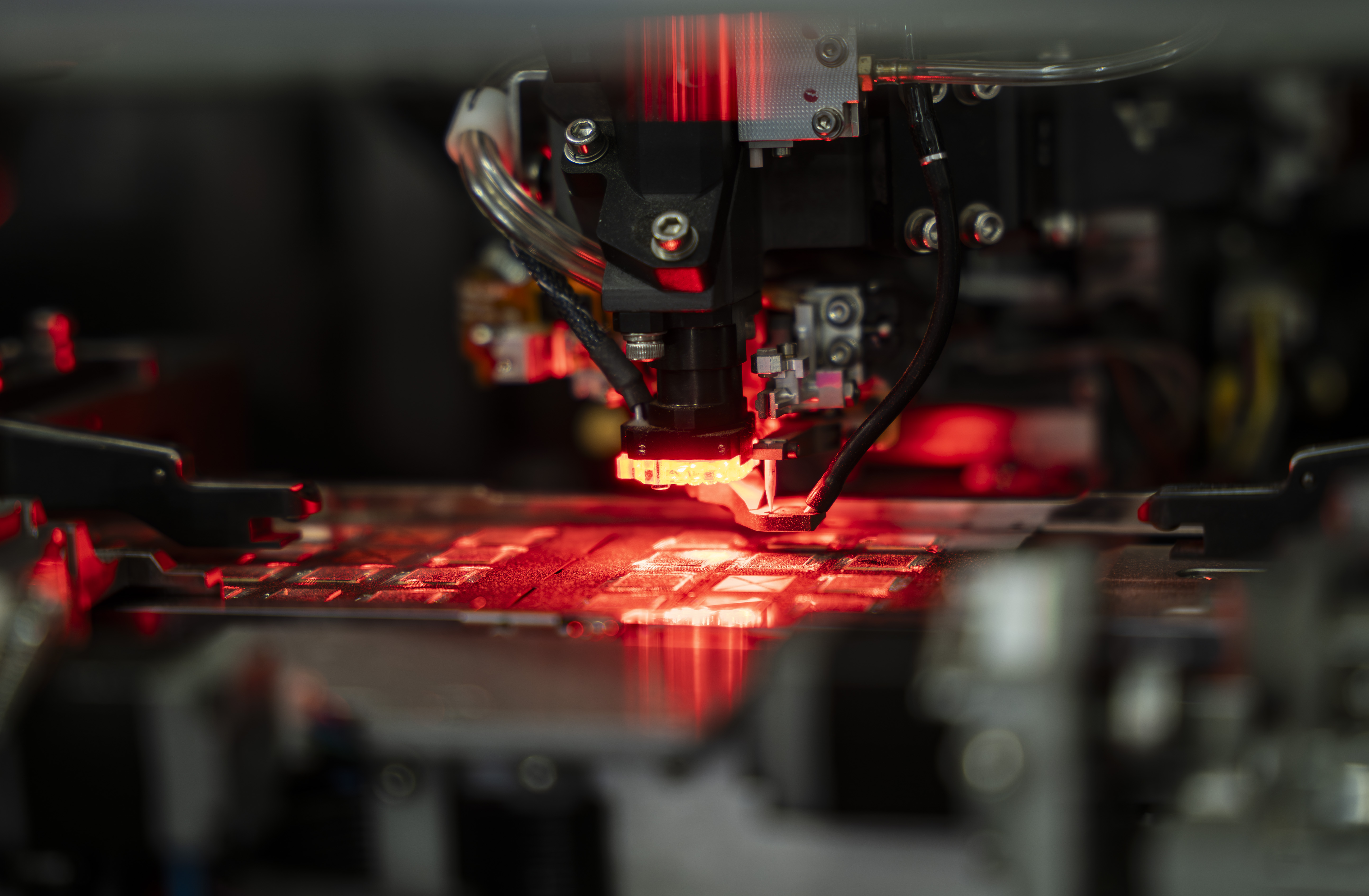
As AI grows more sophisticated, as the supply chains that power it become more contested, and as access to frontier models becomes geopolitically charged, India must begin to ask a different set of questions. Not what applications it can build on someone else’s infrastructure but what the world needs.

Konark Bhandari

The Indian Ocean Region hosts one of the densest concentrations of subsea cables in the world. Yet, despite accounting for a significant share of global internet traffic, India’s participation remains limited.

Charukeshi Bhatt

How is AI reshaping space security, creating governance challenges, and where does international diplomacy stand today?


Tejas Bharadwaj, Almudena Azcárate Ortega

After the chill in ties between 2020 and 2024 that brought India–China relations to their lowest point in several decades, the two countries have engaged each other afresh. This paper argues that there are predominantly four imperatives guiding India’s approach to China, and they exist in an order of priority.

Saheb Singh Chadha