

Commentary
With monkeypox being declared a global health emergency, the WHO approach is an innovative and effective way to curb outbreaks of zoonotic diseases.
Shruti Sharma
{
  "authors": [
    "Ariel (Eli) Levite",
    "Monica Pellerano",
    "Vishnu Kannan",
    "Robert Taj Moore",
    "Sam Barnett",
    "Gaurav Kalwani"
  ],
  "type": "other",
  "centerAffiliationAll": "dc",
  "centers": [
    "Carnegie Endowment for International Peace"
  ],
  "collections": [],
  "englishNewsletterAll": "ctw",
  "nonEnglishNewsletterAll": "",
  "primaryCenter": "Carnegie Endowment for International Peace",
  "programAffiliation": "TIA",
  "programs": [
    "Technology and International Affairs"
  ],
  "projects": [],
  "regions": [
    "Iran"
  ],
  "topics": []
}
Source: Getty
Carnegie’s Cloud Governance Project offers a holistic, first-of-its-kind framework for understanding and addressing a wide range of interrelated cloud policy issues across a number of strategic areas.

Senior Fellow, Nuclear Policy Program, Technology and International Affairs Program
Levite was the principal deputy director general for policy at the Israeli Atomic Energy Commission from 2002 to 2007.
Monica Pellerano
Former Research Analyst, Cyber Policy Initiative
Monica Pellerano is a research analyst in the Cyber Policy Initiative.

Vishnu Kannan
Former Advisor to the President, Carnegie Endowment for International Peace
Vishnu Kannan is a J.D. candidate at Stanford Law School. He was previously the advisor to the president at the Carnegie Endowment for International Peace, where he led executive office strategic initiatives and the president’s research team.

Former Fellow, Technology and International Affairs Program
R. Taj Moore is a lawyer and fellow in the Technology and International Affairs Program
Sam Barnett
Former Nonresident Research Analyst
Sam Barnett was a nonresident research analyst.
Gaurav Kalwani
Former Research Assistant, Nuclear Policy Program
Gaurav Kalwani was a research assistant with the Nuclear Policy Program.
Carnegie India does not take institutional positions on public policy issues; the views represented herein are those of the author(s) and do not necessarily reflect the views of Carnegie, its staff, or its trustees.
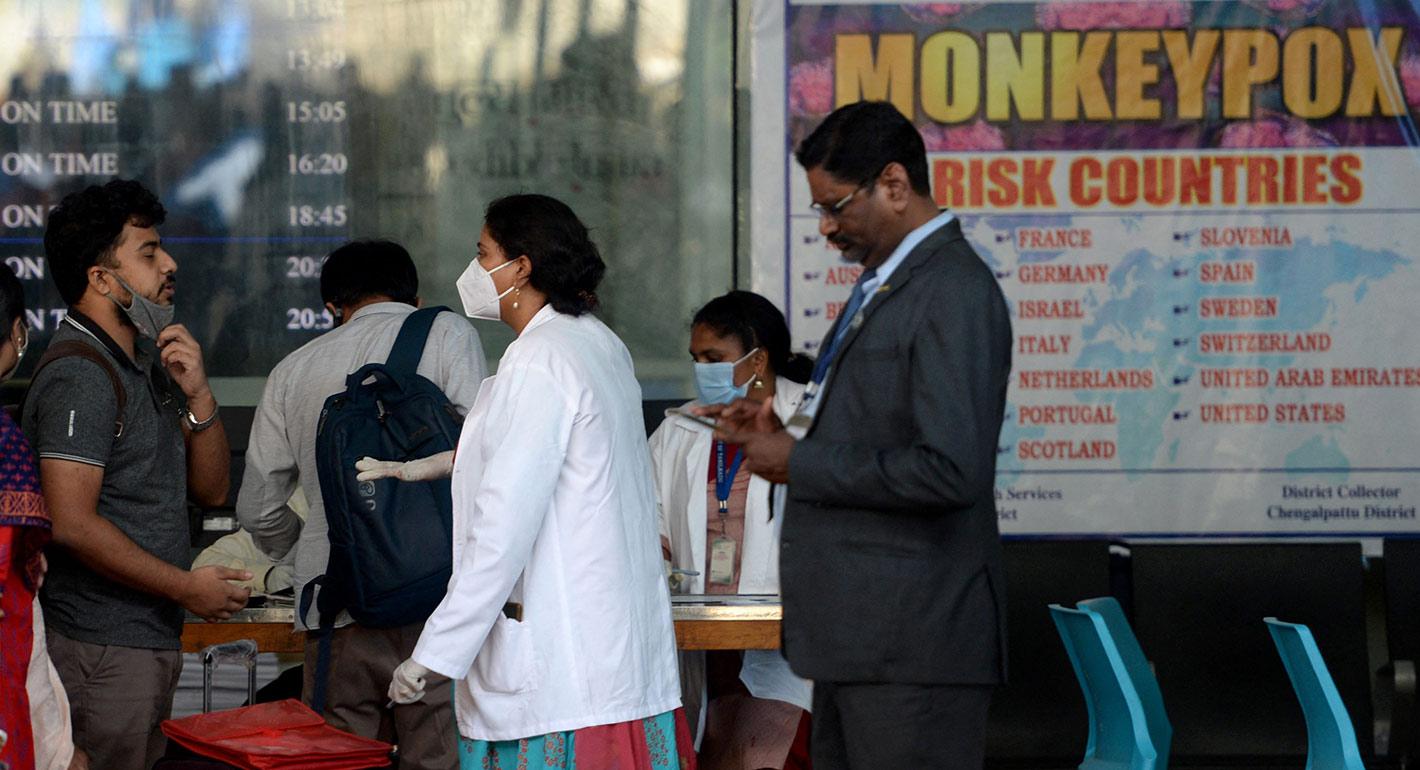
With monkeypox being declared a global health emergency, the WHO approach is an innovative and effective way to curb outbreaks of zoonotic diseases.

Shruti Sharma
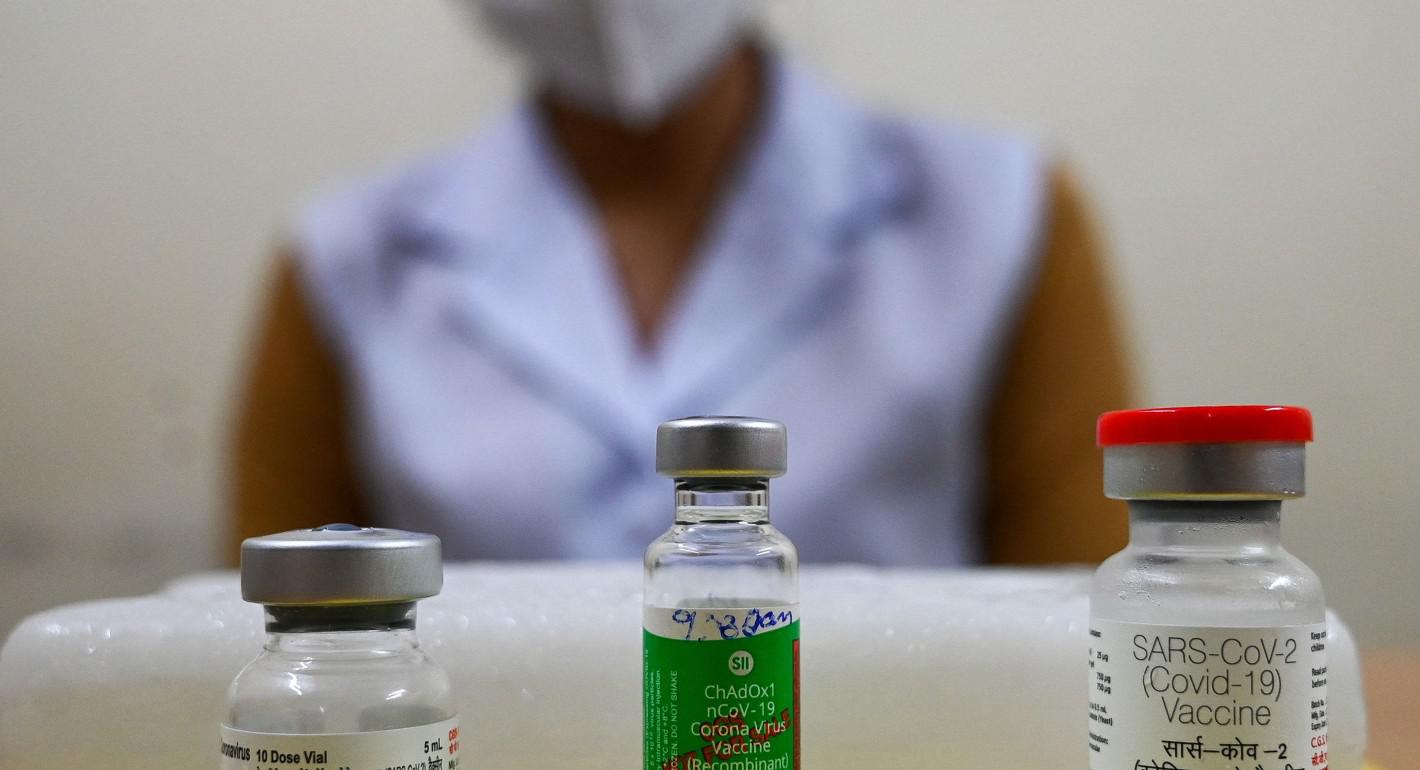
In India, biotechnology has played an important role in helping stakeholders in academia, industry, and government develop new pandemic-related technology, from test kits to respiratory devices. But these biotechnology advancements can go further to strengthen India’s public health capacity.
Shruti Sharma
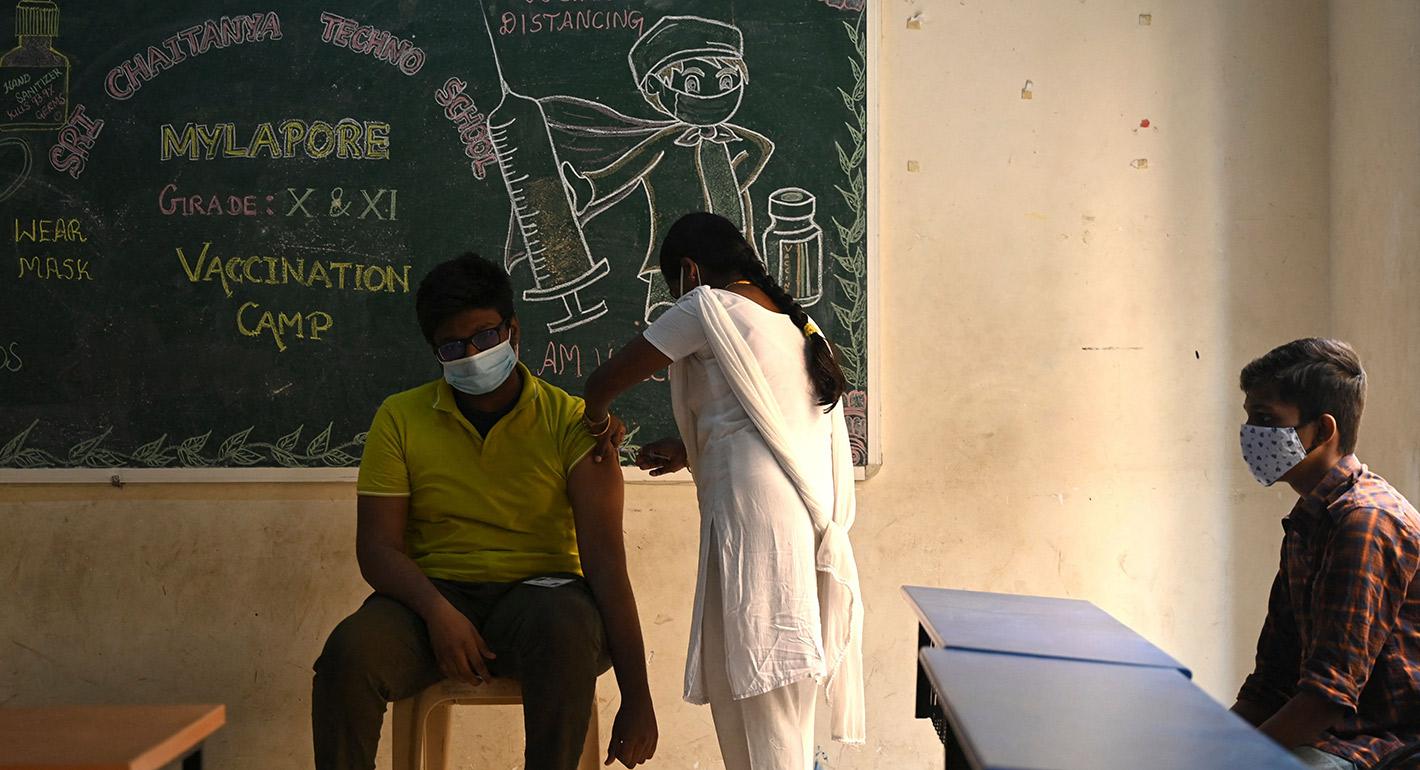
Unless the government can up its communications game, anti-vax movements could prolong India’s pandemic effects.
Shruti Sharma
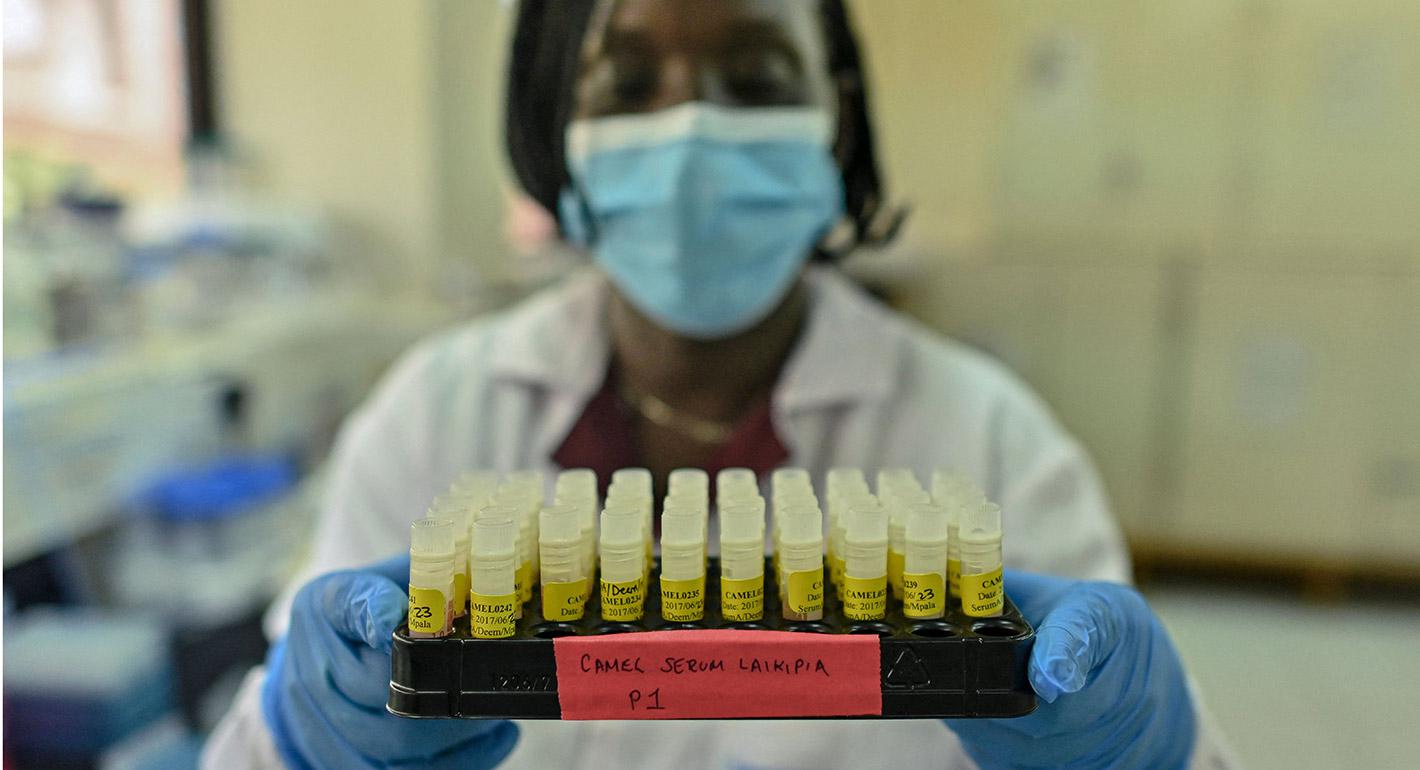
The uncertain origin of the coronavirus has focused attention on gain-of-function research—studying viruses to learn how they spread. How can countries work together to ensure stringent safety standards?
Shruti Sharma

India faces a host of biological risk factors. Drawing lessons from the coronavirus pandemic and prior biological disasters, India’s government should pursue new safety protocols and develop new institutions to manage future biological risk.
Shruti Sharma