
• Research
  • About
  • Experts
Carnegie India logoCarnegie lettermark logo
Technology
{
  "authors": [],
  "type": "scholarSpotlight",
  "centerAffiliationAll": "dc",
  "centers": [
    "Carnegie Endowment for International Peace"
  ],
  "collections": [],
  "englishNewsletterAll": "",
  "nonEnglishNewsletterAll": "",
  "primaryCenter": "Carnegie Endowment for International Peace",
  "programAffiliation": "EP",
  "programs": [
    "Europe"
  ],
  "projects": [],
  "regions": [
    "North America",
    "United States",
    "Eastern Europe",
    "Western Europe",
    "United Kingdom",
    "France",
    "Germany",
    "Iran"
  ],
  "topics": [
    "Security",
    "Foreign Policy"
  ]
}

Source: Getty

Scholar Spotlight

New Scholar Spotlight: Sophia Besch

The United States and Europe right now stand united and with a shared purpose. But the current focus and cohesion were hard-won and are not guaranteed to last.

Link Copied
Published on Oct 24, 2022

Major war has returned to the European continent, and Russian President Vladimir Putin’s brutal invasion of Ukraine threatens European security writ large. Many European governments over the past few months have had to rapidly adjust their outlooks on the world. The German chancellor has spoken of a “Zeitenwende”—a turning of the times.

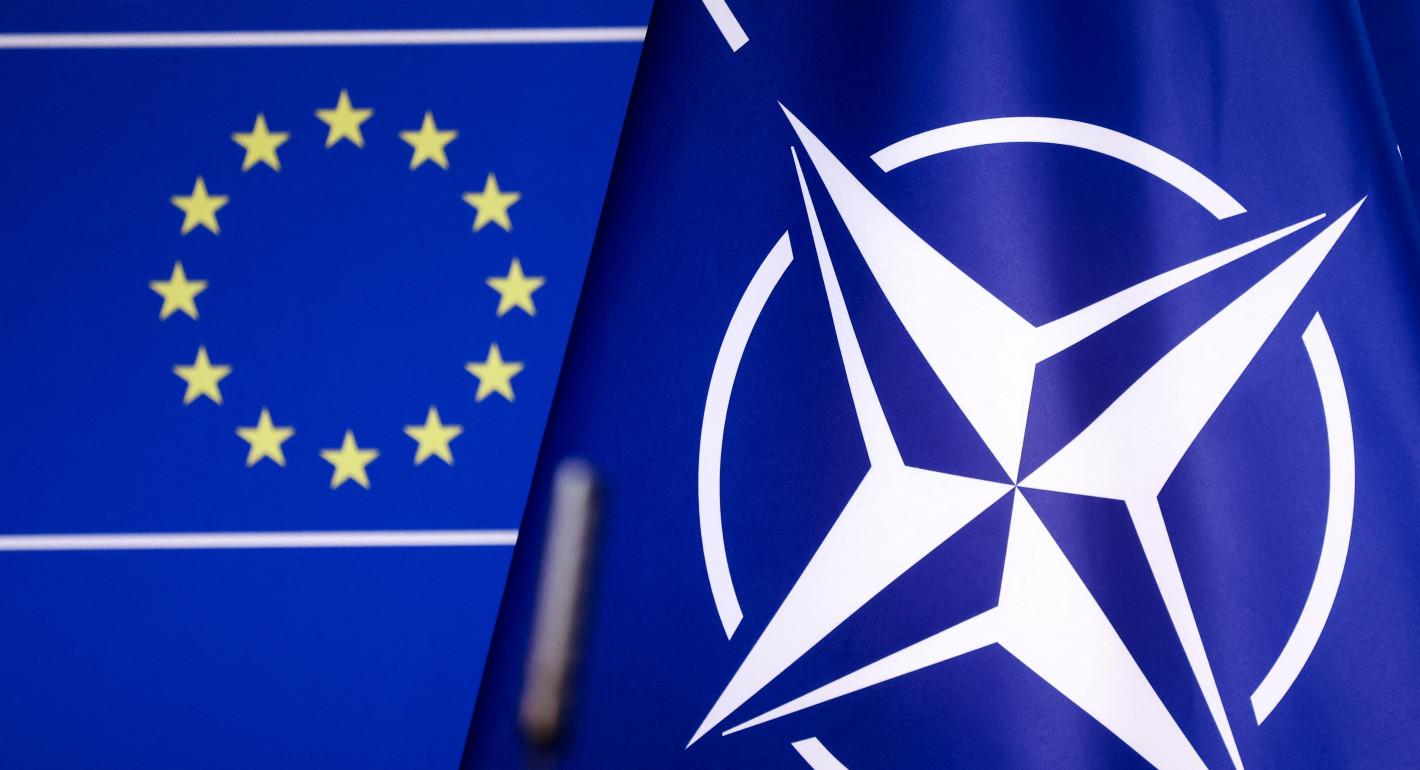
These governments have each made the decision to substantially increase their defense budgets. The EU is providing military assistance to Ukraine and working out how the new resources could be used to restore and expand a hollowed-out European defense industrial base. NATO, declared brain dead only a couple years ago, has produced a united response from Europeans and Americans. Washington has reaffirmed its commitment to the transatlantic alliance’s security guarantees and strengthened its presence in the European theater. And new U.S.-EU cooperation formats like the Trade and Technology Council have proven to be responsive and adaptable.

These reactions are encouraging. Given the threats that Europe faces, allies on both sides of the Atlantic should seek to foster a European defense and security policy that is fit for purpose and ultimately self-sustainable.

Much of my work over the past few years has focused on what this could look like in practice. Through my research at the Centre for European Reform in London and Berlin, I have sought to provide substance to the idea of a strategically sovereign Europe—contributing proposals for how the EU can manage its dependencies; engage its partners in the UK, the United States, and the Indo-Pacific; explore its potential as a player in the defense industrial policy space; and develop a coherent approach to China.

The United States and Europe right now stand united and with a shared purpose. But the current focus and cohesion were hard-won and are not guaranteed to last. In the United States, prevailing security interests in the Indo-Pacific and the possibility of domestic political change could undermine focus. In Europe, complacency over U.S. security guarantees and resentment over the domestic costs of war threaten to divide the continent. Meanwhile, European countries’ strategic cultures have been formed over decades, dependencies on Russia and China are difficult to disentangle, and years of underinvestment have created shortfalls that won’t be fixed overnight: bureaucratic processes, decisionmaking structures, and budgetary planning all need reform.

At Carnegie, I’m excited to explore these and other issues that will determine the future of the region, and I look forward to joining colleagues in shaping a Europe Program that provides independent and impactful insight and analysis on developments within Europe and in the transatlantic relationship.

SecurityForeign PolicyNorth AmericaUnited StatesEastern EuropeWestern EuropeUnited KingdomFranceGermanyIran

Carnegie India does not take institutional positions on public policy issues; the views represented herein are those of the author(s) and do not necessarily reflect the views of Carnegie, its staff, or its trustees.

More Work from Carnegie India

  • Commentary
    The Impact of U.S. Sanctions and Tariffs on India’s Russian Oil Imports

    This piece examines India’s response to U.S. sanctions and tariffs, specifically assessing the immediate market consequences, such as alterations in import costs, and the broader strategic implications for India’s energy security and foreign policy orientation.

      Vrinda Sahai

  • Article
    Military Lessons from Operation Sindoor

    The India-Pakistan conflict that played out between May 6 and May 10, 2025, offers several military lessons. This article presents key takeaways from Operation Sindoor and breaks down how India’s preparations shaped the outcome and what more is needed to strengthen future readiness.

      Dinakar Peri

  • Book
    India and the Sovereignty Principle: The Disaggregation Imperative

    This book offers a comprehensive analysis of India's evolving relationship with sovereignty in a complex global order. Moving beyond conventional narratives, it examines how the sovereignty principle shapes India's behavior across four critical domains—from traditional military power to contemporary data governance.

      Rudra Chaudhuri, Nabarun Roy

  • Commentary
    NISAR Soars While India-U.S. Tariff Tensions Simmer

    On July 30, 2025, the United States announced 25 percent tariffs on Indian goods. While diplomatic tensions simmered on the trade front, a cosmic calm prevailed at the Sriharikota launch range. Officials from NASA and ISRO were preparing to launch an engineering marvel into space—the NASA-ISRO Synthetic Aperture Radar (NISAR), marking a significant milestone in the India-U.S. bilateral partnership.

      Tejas Bharadwaj

  • Article
    Hidden Tides: IUU Fishing and Regional Security Dynamics for India

    This article examines the scale and impact of Chinese IUU fishing operations globally and identifies the nature of the challenge posed by IUU fishing in the Indian Ocean Region (IOR). It also investigates why existing maritime law and international frameworks have struggled to address this growing threat.

      Ajay Kumar, Charukeshi Bhatt

Get more news and analysis from
Carnegie India
Carnegie India logo, white
Unit C-4, 5, 6, EdenparkShaheed Jeet Singh MargNew Delhi – 110016, IndiaPhone: 011-40078687
  • Research
  • About
  • Experts
  • Projects
  • Events
  • Contact
  • Careers
  • Privacy
  • For Media
Get more news and analysis from
Carnegie India
© 2026 Carnegie Endowment for International Peace. All rights reserved.






