

In The Media
David Rothkopf

This comparative analysis of major efforts in Haiti, the Middle East, and Bosnia provides recommendations for better meeting the economic challenges of peace-building.
Source: Washington

This book is built around a detailed analysis of U.S. efforts in Bosnia-Herzegovina, in the Palestinian Territories, and in the Republic of Haiti. It assesses the effectiveness of U.S. strategic planning and the implementation of American economic plans in each of these situations, identifying areas where new approaches and programs may be needed to enhance the likelihood of success in the future.
With the resolution of regional conflicts looming as an increasingly important component of U.S. foreign policy and the concurrent unwillingness to expose U.S. forces to prolonged risk in these situations, post-conflict initiatives will prove to be more important than ever before. This book offers crucial insights into the challenges of promoting stability through the restoration of hope and opportunity to the victims of crises and provides a forward-looking assessment of the future demands and opportunities created in conjunction with the economic dimensions of peacekeeping.

Former Visiting Scholar
David Rothkopf was a visiting scholar at the Carnegie Endowment as well as the former CEO and editor in chief of the FP Group.
Recent Work
David Rothkopf
David Rothkopf
Carnegie India does not take institutional positions on public policy issues; the views represented herein are those of the author(s) and do not necessarily reflect the views of Carnegie, its staff, or its trustees.
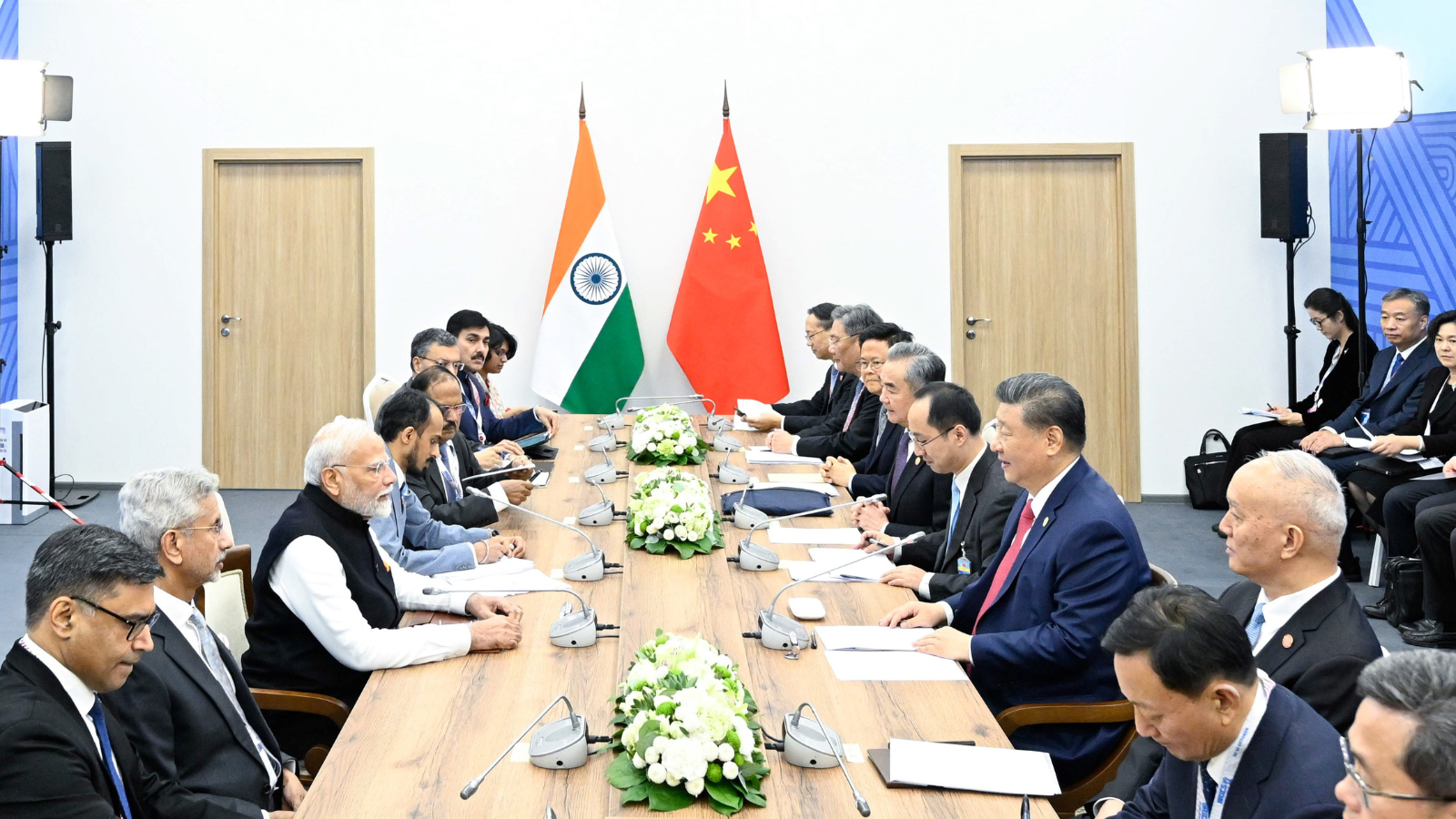
After the chill in ties between 2020 and 2024 that brought India–China relations to their lowest point in several decades, the two countries have engaged each other afresh. This paper argues that there are predominantly four imperatives guiding India’s approach to China, and they exist in an order of priority.

Saheb Singh Chadha

This piece argues that India’s central challenge is not managing a single flashpoint but resolving the underlying tension between expansion and institutional coherency of the BRICS grouping.

Vrinda Sahai

A partnership between India, a country of subcontinental size, and Africa, a continent of fifty-four countries, may seem asymmetric until one notes that both are home to nearly the same number of people—1.4 billion. This essay spells out the existing challenges to the partnership, its optimal potential, and the possible pathways to realize it over the next quarter-century.
Rajiv Bhatia
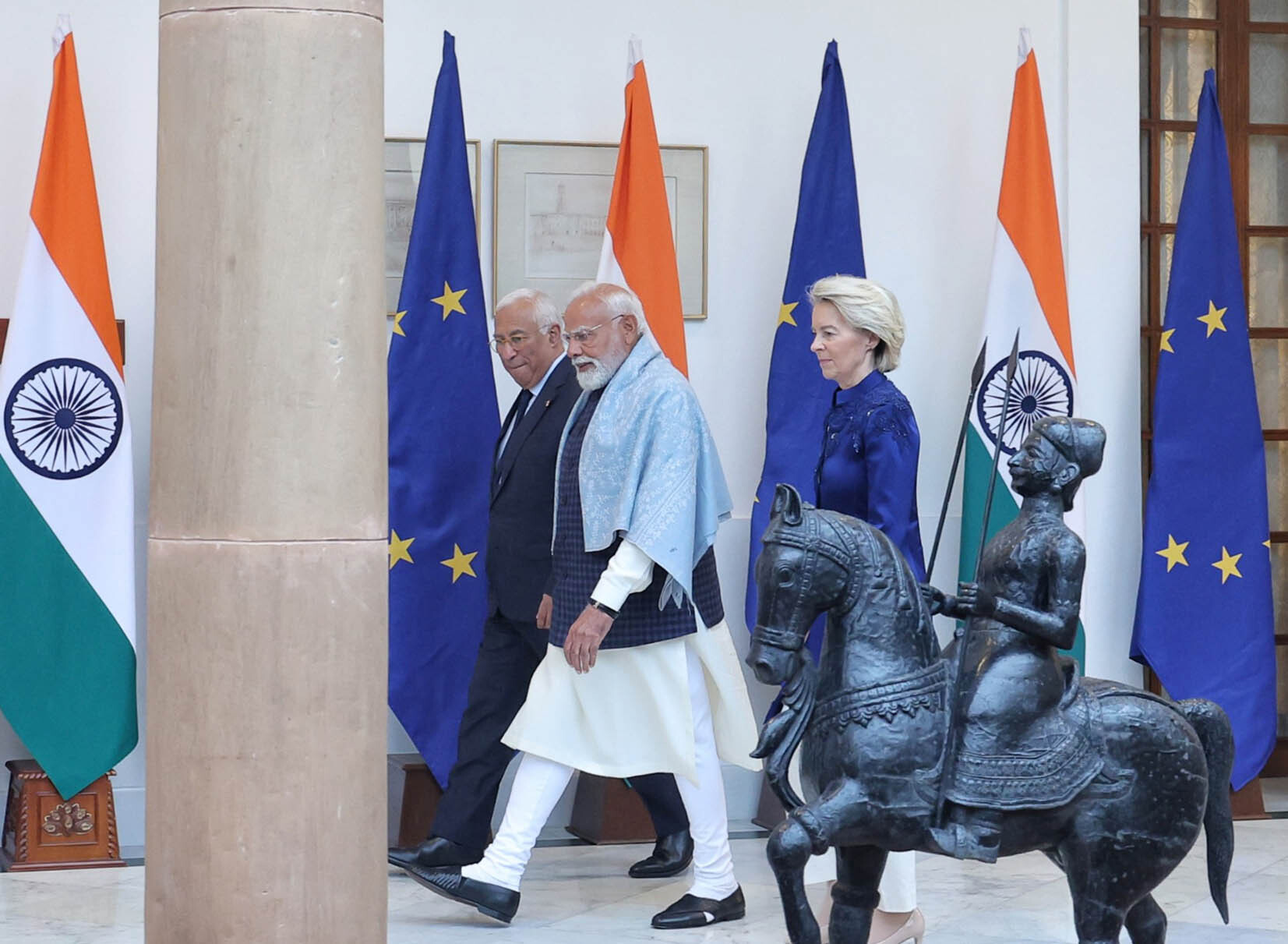
The India–EU Free Trade Agreement (FTA) is shaping up to be one of the most consequential trade negotiations, both economically and strategically. But, what’s in the agreement, what’s missing, and what will determine its success in the years ahead
Vrinda Sahai, Nicolas Köhler-Suzuki
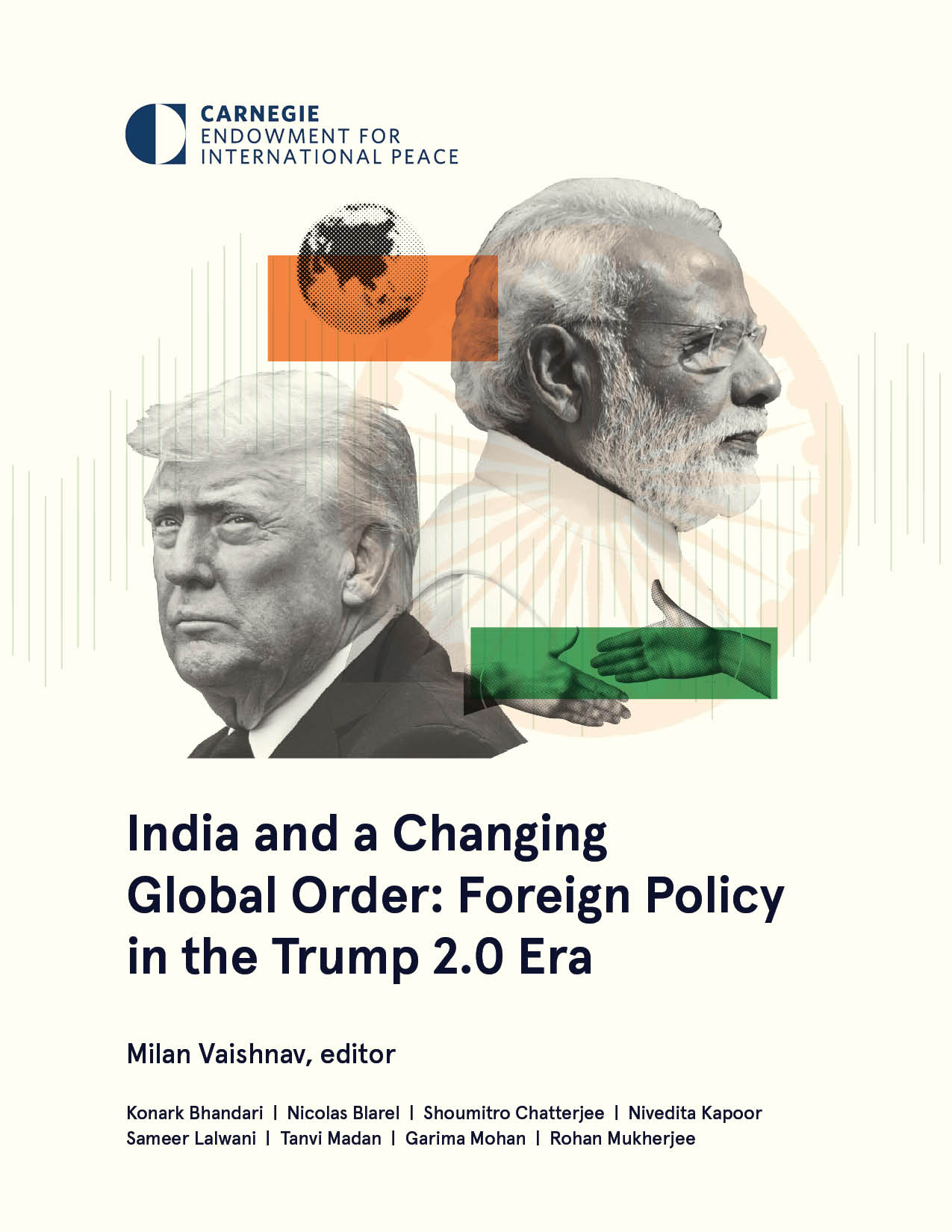
Trump 2.0 has unsettled India’s external environment—but has not overturned its foreign policy strategy, which continues to rely on diversification, hedging, and calibrated partnerships across a fractured order.



Milan Vaishnav, ed., Sameer Lalwani, Tanvi Madan, …